
Healthy Cities
In partnership with the Bupa Foundation and Niva Bupa Health Insurance
Swechha is an environmental organisation in Delhi, working since 2001 — air, the Yamuna, schools, journeys and a five-acre farm.
What a city’s air, water, waste and food do to the health of the people in it — taught for a year in twenty-six Delhi-NCR schools, and piloted by ten funded fellows.
2,000+
Students taught directly, in class
2025–26 project period
26
Partner schools across Delhi-NCR
2025–26 project period
3,000+
Saplings and seeds planted
2025–26 project period
10
Influence Fellows, eight states
2025–26 cohort
The city and the body
The programme calls its subject the environment-health nexus: what a city’s air, water, waste, food and green cover do to the people breathing, drinking and eating in it. Children carry the worst of it and get taught the least about it.
A city gets into a child’s lungs long before it gets into their syllabus.
Five links, one argument
Air pollution and respiratory health. Contaminated water and disease outbreaks. Urban food systems and nutrition. Waste infrastructure and health. Biodiversity and mental well-being. Those five links are the curriculum.
Sixty government, forty private
Schools were picked to bridge the gap between those most impacted by climate change and those with the power and agency to drive long-term solutions. Government schools have the ground and not the budget; private-school students have the consumption and the reach.
Targets today, vehicles tomorrow
Children and youth must be the targets of change today to be the vehicles of change tomorrow.
Two strands under one grant
A curriculum inside twenty-six Delhi-NCR schools, and the Influence Fellowship: a national open call that funded ten people to pilot their own environment-health solution where they already live and work.
Four deliverables
A curriculum, twenty trips out into the city, twenty gardens that have to survive a Delhi summer, and ten funded fellows.
Workshops
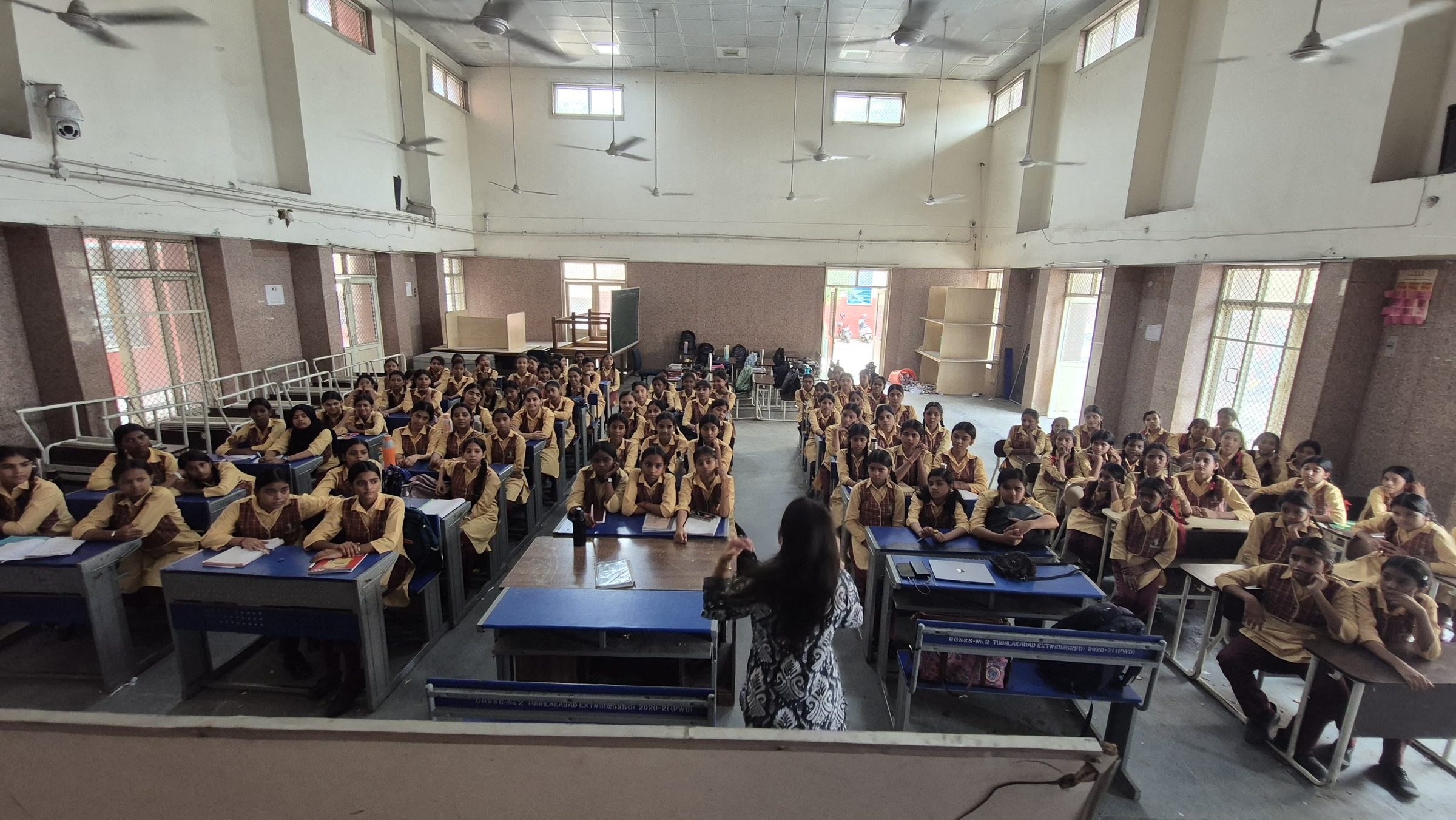
A named curriculum — Bridge The Gap: Healthy Cities — delivered in five theme-based modules inside the school timetable rather than beside it.
A school year is the unit that matters here. A single workshop is a morning. A year is long enough for a bed to be dug, planted, watered through a Delhi summer and replanted — and for the students who did it to be the ones explaining it to the next lot.
What the five modules are
Air pollution and respiratory health. Contaminated water and disease outbreaks. Urban food systems and nutrition. Waste infrastructure and health. Biodiversity and mental well-being.
Each module opens its own theme in the teaching compendium — the background reading and the sessions, written out in full at /teach.
How a module runs
Inquiry-driven, experiential and solution-oriented: roleplays, expert interactions, simulations, classroom audits and action research tools. Not a lecture with a slide deck.
Then the class chooses
Each class identifies a locally relevant theme, and that theme becomes the anchor for its own green action project. The workshops are where the garden gets decided.
CityScapes
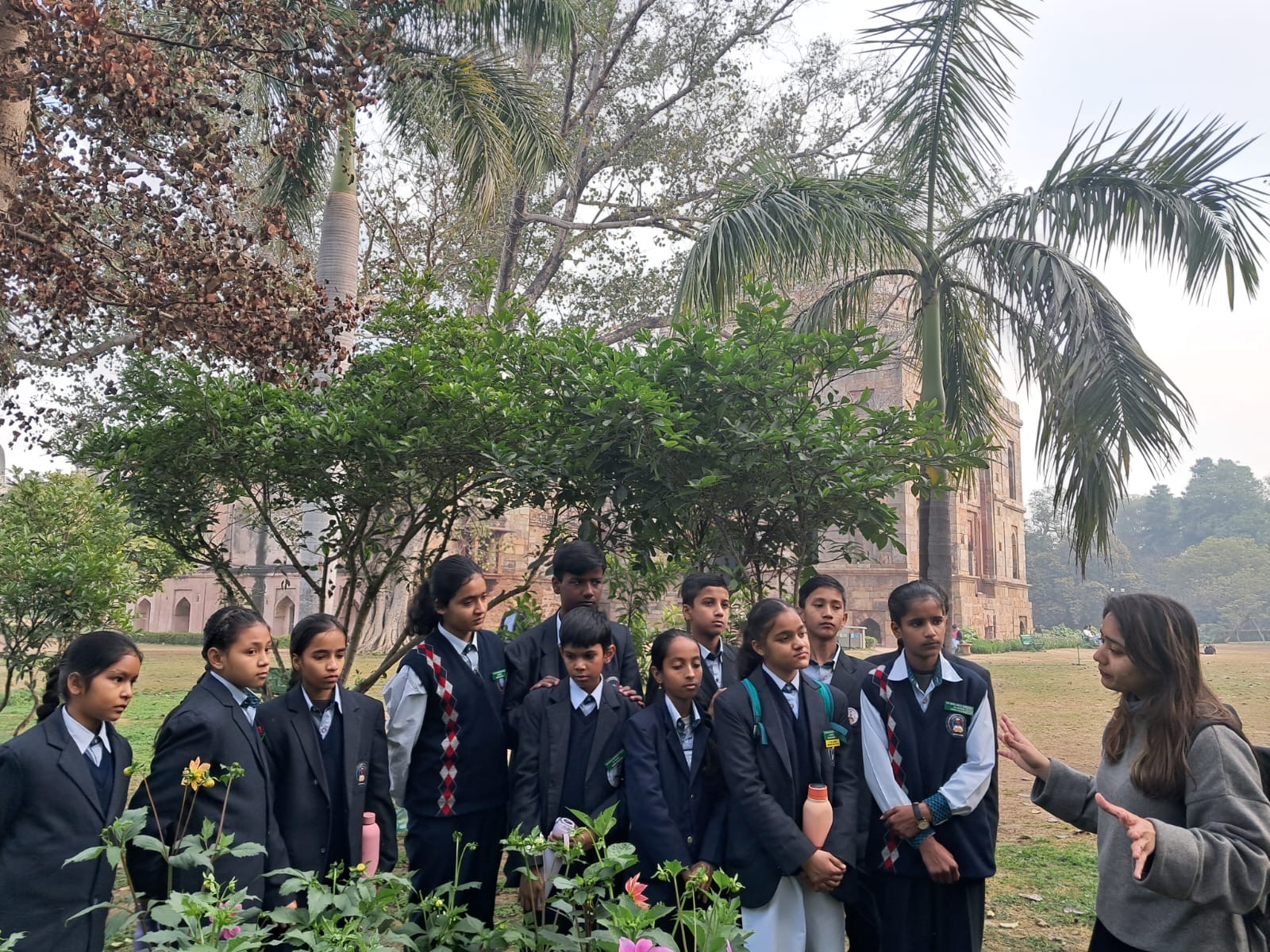
Facilitated half-day visits out into the city the curriculum is about — twenty were set for the year and twenty ran — with the educators along rather than waiting at the gate.
Seeing and believing, believing and learning, learning and doing. A drain is an idea until you are standing over it, and then it is a smell, a colour and somebody’s afternoon.
Where they went
Forests, rivers, biodiversity parks and waste management sites. Forest and biodiversity walks, tree walks, and the Yamuna in Delhi — the only river Delhi has and the one most of these students had never stood beside.
What a trip is made of
Guided reflection sessions, stakeholder conversations and mapping activities. Students identify what natural heritage is there, what is happening to it, and what could be done about it.
The teachers come too
Educators join the reflection, the conversations and the mapping. They are the ones who carry the subject through the rest of the year, so they are on the trip and not back at school.
Twenty-six schools gave it a place in the year.
And the fellows worked in · Gujarat / Uttar Pradesh / Karnataka / Maharashtra / Uttarakhand / Chhattisgarh / Delhi / Assam
Green action projects
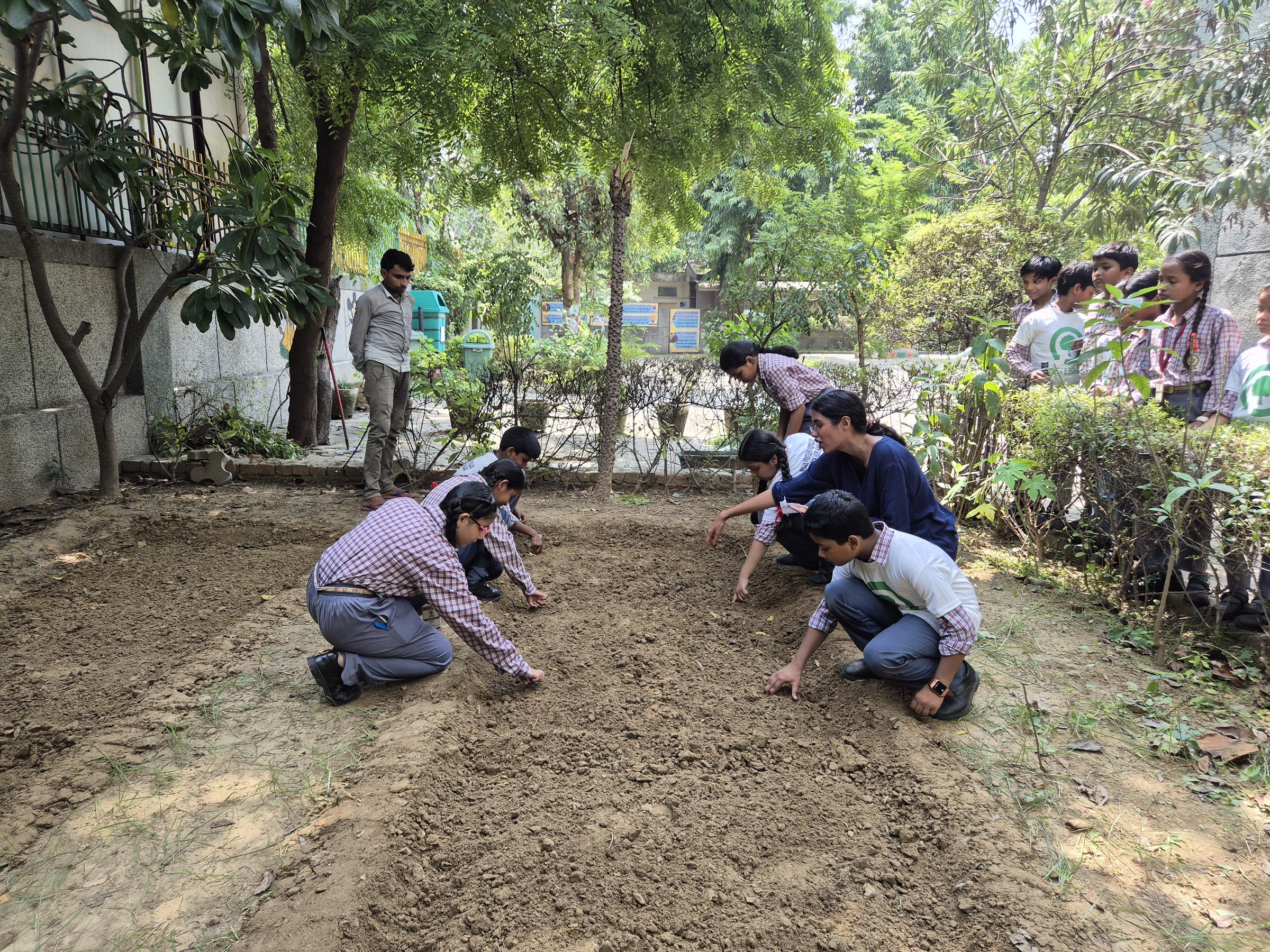
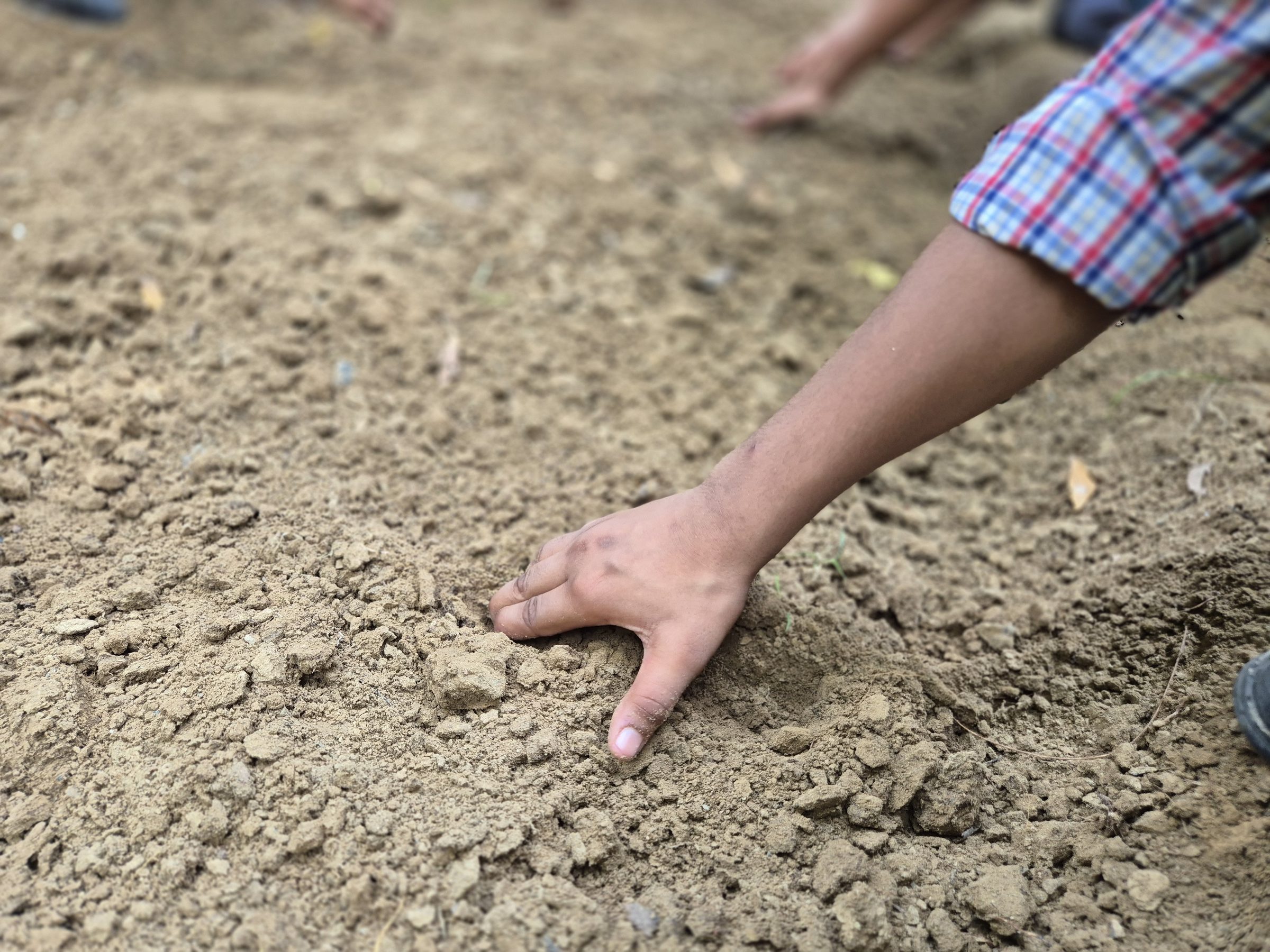
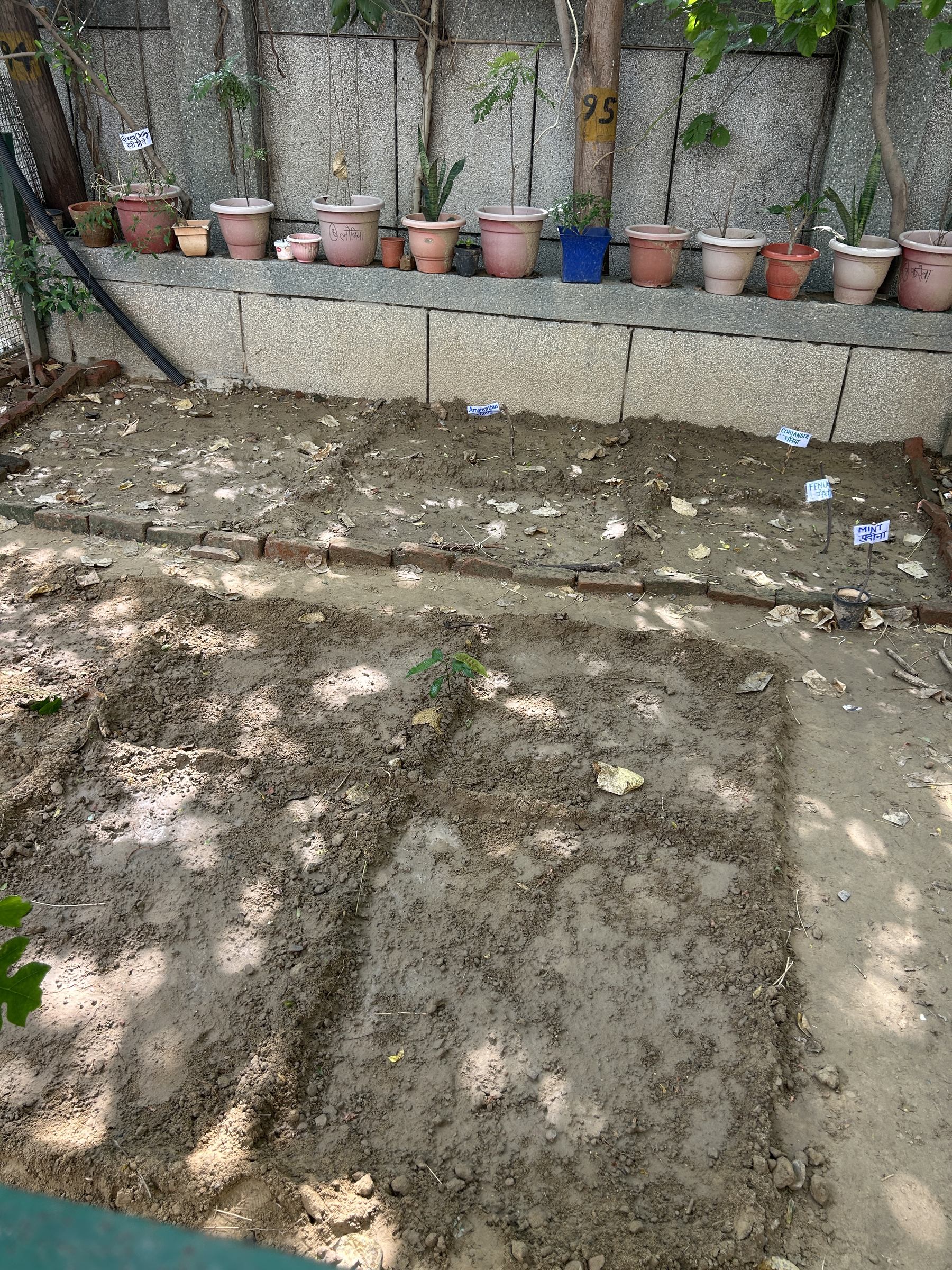
Twenty gardens were set for the year and twenty got built, each one aligned to the theme that school’s own students picked in the workshops. Living, breathing classrooms rather than a plantation photograph.
A plantation drive is a photograph. A garden is a rota. The difference between them is whether anybody is still turning up in June — so the bed sits inside the gate, a class owns it, and a teacher notices when it dies.
Seven kinds got built
Food gardens, butterfly and pollinator gardens, green walls, spiral gardens, hydroponics units, AQI tree zones and clean air corridors, and composting units.
Four were planned
Butterfly gardens, composting units, a food forest patch, and an AQI tree zone or green wall. The hydroponics and the spiral gardens are in no plan — schools built them anyway.
The garden is the health intervention
Indigenous trees and shrubs — neem, peepal, arjun — for clean air corridors and shade. Kitchen and canteen waste into compost. Medicinal and fruit trees, herbs and vegetables in the schoolyard, for the air and for the food.
What the students actually do
Conduct audits, mobilise peers, plan resources and monitor outcomes. The bed is the assignment, and it is marked in June.
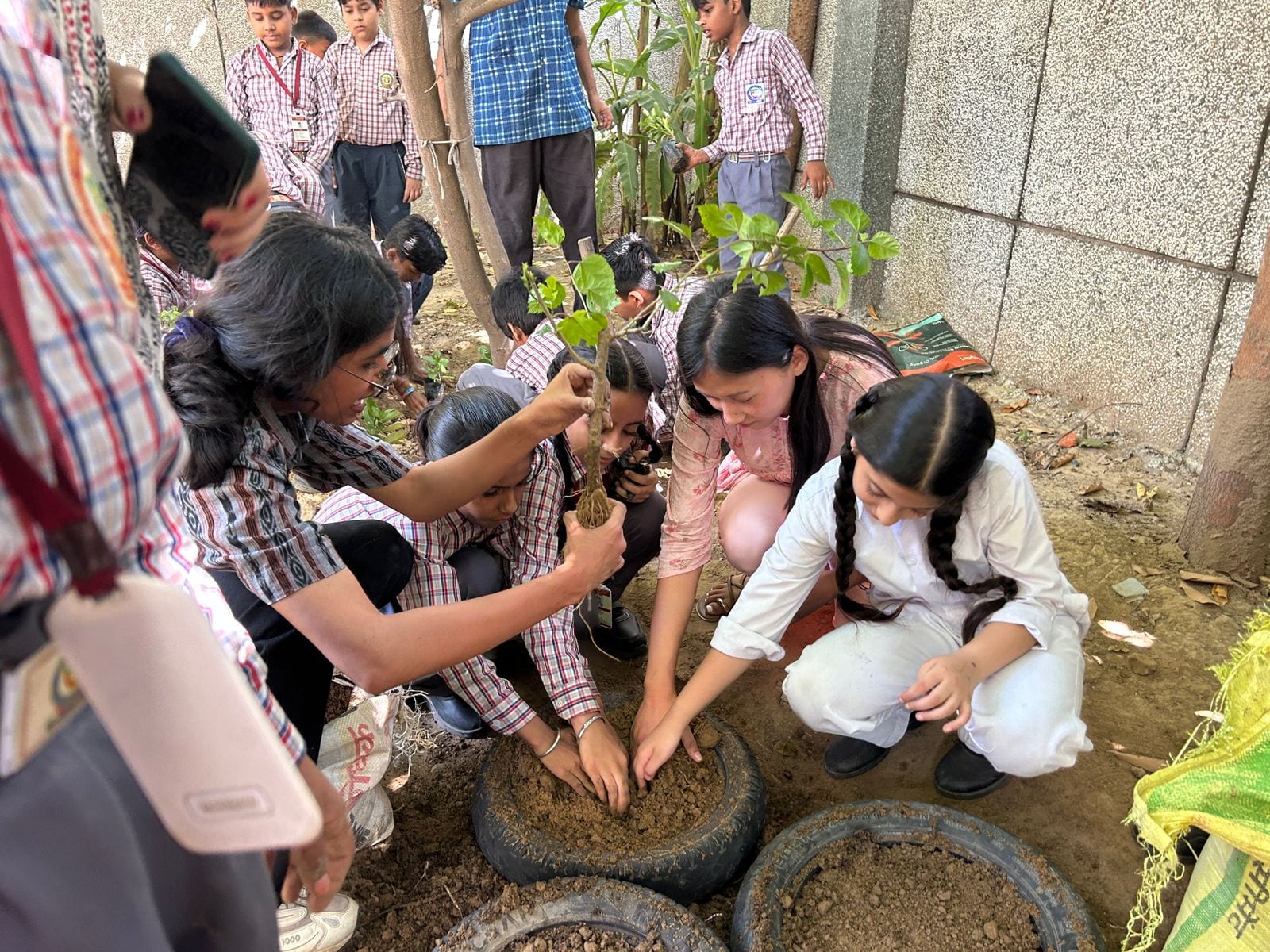
The funder’s own staff, in a schoolyard
About forty Niva Bupa staff spent a day at MCD Pratibha Vidyalaya in Hari Nagar, designing and building gardens with fifty of the school’s students and the programme team.
Two hundred saplings went into the ground that afternoon.
Three gardens, built on the day
A small container food garden. A butterfly garden made out of old tyres. A vertical garden of indoor air-purifying plants. Three different answers to the same question, on one afternoon, on ground the school keeps.
Staff and students on the same beds
Forty people who fund the year and fifty who are taught by it, filling the same tyres and the same containers. The students designed alongside them rather than lining up for the photograph at the end.
A day that left something standing
A corporate volunteering day usually leaves a photograph. This one left three gardens inside a school gate, with a class that has to water them and a teacher who notices when they die — the same test every other garden on this page has to pass.
The Influence Fellowship
A national open call, and nothing to do with the schools. Ninety-five people applied from across India for ten funded places; the ten who got them piloted an environment-health idea of their own, on the ground where they already live.
Who could apply
Anyone residing in India, aged eighteen to thirty-five — students, early-career professionals, community leaders, social entrepreneurs and grassroots innovators, individually or as a team with one lead.
What a fellow got
A grant of one lakh rupees, mentorship from environment and public health practitioners, implementation support, and certification as an Influence Fellow.
Five focus areas
Clean air initiatives. Water conservation. Waste innovation. Sustainable food systems. Ecotherapy and nature-based wellbeing, which is mental health approached through ecology.
How it was scored
Relevance, originality, feasibility, reach and leadership — twenty per cent each. The call opened in October and closed on ten names in November.
-
Bharuch · Gujarat
Anjali Choudhary
Maati Maange More
-
Mahuva, Dabhoi and Viramgam · Gujarat
Mansi Thakar Jani
Varso Jal Sanchay Initiative
-
Jabrella, Bharsaua and two further campuses · Uttar Pradesh
Palak Bajpai
Miyawaki Plantation Project
-
Chinthamani, Chikaballapura district · Karnataka
S Vineeth Kumar
Paradox Bio-Energy
-
Peth, Bubnal, Mangle and Kuslewadi, Sangli district · Maharashtra
Shubham Dipak Gurav
Climate Resilient Agriculture Initiative, Integrating Agroforestry and Natural Farming
-
Jhala, Harsil Valley and Saini, Dunda block, Uttarkashi · Uttarakhand
Shubham Panwar
Women-Led Sustainable Mushroom Cultivation for Nutrition and Livelihood in Rural Uttarkashi
-
Bilaspur · Chhattisgarh
Swapnil Chaurasiya
Behavioural Nudges for Urban Climate Action: A Student-Led Solid Waste Management Model for Bilaspur City
-
Delhi
Taniya Gill
Rooted in Our Land: A Visual Toolkit on Native Plants and Climate Adaptation
-
Salmora and Karatipar, Majuli · Assam
Tanuz Kalita
Indigenous Youth Led Habitat Restoration for Climate Resilience in Majuli
-
Moradabad · Uttar Pradesh
Tawheed Zubair
ECONOVA (For Nature, For People)
06,000
Who else it reached
Two thousand students sat the workshops and took the trips. The counted number is a floor.
Twenty-six schools, a thousand to two thousand students each
That is the multiplier, and it is the whole of the method. Each partner school has between one and two thousand children on its roll, so the schools that took this programme hold twenty-six to fifty-two thousand of them between them.
Ten communities, five thousand people at the least
The fellows were not visiting. Each of the ten worked where they already live, and the smallest of those communities holds more than five thousand people. Fifty thousand is the floor of what a soil school, a restored stepwell or a changed waste line was put in front of — it is not a headcount of who engaged with it.
Short term, long term
Saplings now, trees later
Three thousand saplings and seeds is the short-term number and the honest one: it is what went into the ground and got watered. The neem, peepal and arjun in those beds are trees in ten years, shade over a schoolyard that had none in fifteen, and after that a piece of the school’s own ground that nobody has to fund again.
A bed now, an institution later
A garden that survives a Delhi summer becomes a rota, and a rota becomes something the school runs without us: a compost line fed by its own canteen, a corridor of indigenous trees along the boundary wall, a plot the next class inherits with the assignment attached to it.
What people said
Teachers, farmers, students and volunteers, on what a year of this changed and what it did not.
Ms. Nirmala
“Need of the hour and how else students will learn about managing their own waste.”
Teacher at Queen of Angels School · Bharuch · Anjali Choudhary
Maheshwariben Ghoghari
“The Varso Jal Sanchay Abhiyan provided meaningful experiential learning for our students by connecting heritage with water conservation. The visit to Valavav stepwell enhanced their understanding of traditional water systems and instilled a sense of responsibility towards protecting such structures. Initiatives like this are crucial for shaping environmentally conscious youth.”
Teacher, Sathara High School · Mahuva · Mansi Thakar Jani
An undergraduate student
“I had never really noticed the details of leaves before this workshop. Drawing them helped me slow down and observe things I usually ignore.”
Delhi · Taniya Gill
Sagar Shelar
“Participating in this project and Soil School activities helped me understand the importance of soil and sustainable agriculture. This experience motivated me to stay connected with agriculture and environmental work.”
Student, 4th standard · Peth village · Shubham Dipak Gurav
Zaid
“Being a part of this project for the first time made me realise that we as youth can bring about a change in our community. Not only by planting, but by also influencing others and spreading awareness.”
Youth Ambassador · Moradabad · Tawheed Zubair · Translated from Hindi
Watch it
Thirty-one testimonial videos came back from the schools and the fellows, filmed through the year on the ground where the work happened.
School Gardens
Beds dug and saplings in, and the students and teachers who built them.
Students’ Testimonials
One short film of students from the partner schools, on what a year of this changed and what it did not.
Podcasts
Longer conversations with students, experts and practitioners about environmental health and the city they share.
Who it is with
- Bupa Foundation
- Niva Bupa Health Insurance

Get involved
Bring your school into the next year of this, or back the next cohort of fellows.
Three ways inThe programme
Bridge the Gap
The curriculum this year is one chapter of, and the schools it has run in since 2000.
Since 2000
The fellowship
Influence Fellowship
How the ten funded places are chosen, and what a fellow gets besides the money — inside the volunteering programme it belongs to.
Ten places a year
The method
CityScapes
The exposure-trip format the twenty school trips were run on.
One city, read closely
The sessions
Teach
The whole curriculum these five modules are drawn from — eight themes, 43 sessions, and the background reading for each.
43 sessions