
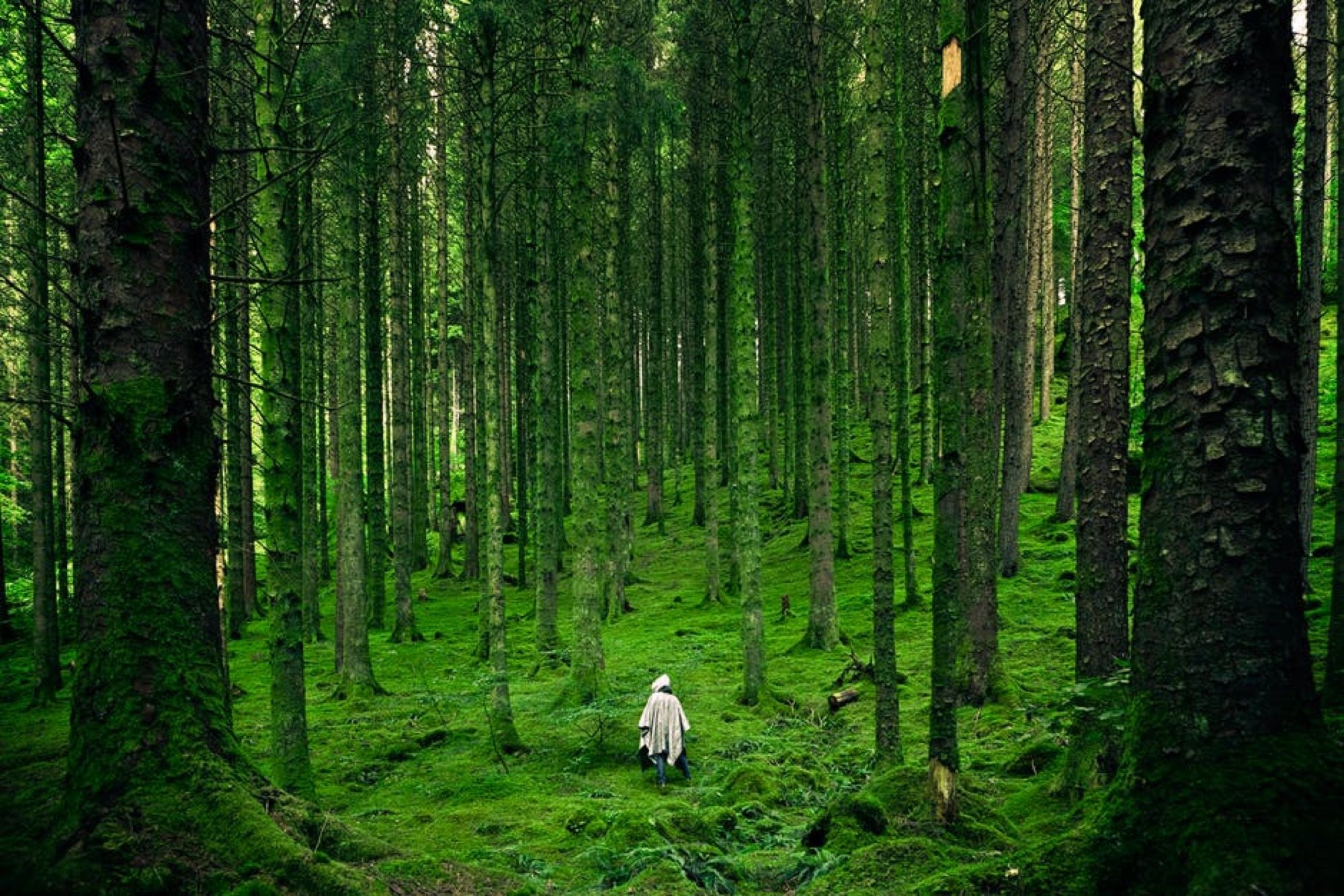
NatureScapes
Six destinations, four ecosystems, one school group at a time. None of the six explains itself from a classroom, which is the only reason to take a bus that far.
What we do
Two to five days in forest, mountain, desert or mangrove.
What it sets out to do
Let the place set the length
Two days to five, decided by the destination rather than by a calendar. A programme that runs to one fixed length is selling logistics.
Keep labour in the week
There is a day of work in this on purpose. Without it the whole thing is a viewing, and viewings do not change what anybody does afterwards.
Build a comparison, not a trip
The four ecosystems exist so a school can hold one against another. One journey is an outing; two are an argument.
Take the whole cohort
The intent is a class rather than an assortment of individuals, because a week only lands if everybody goes back to the same corridor.
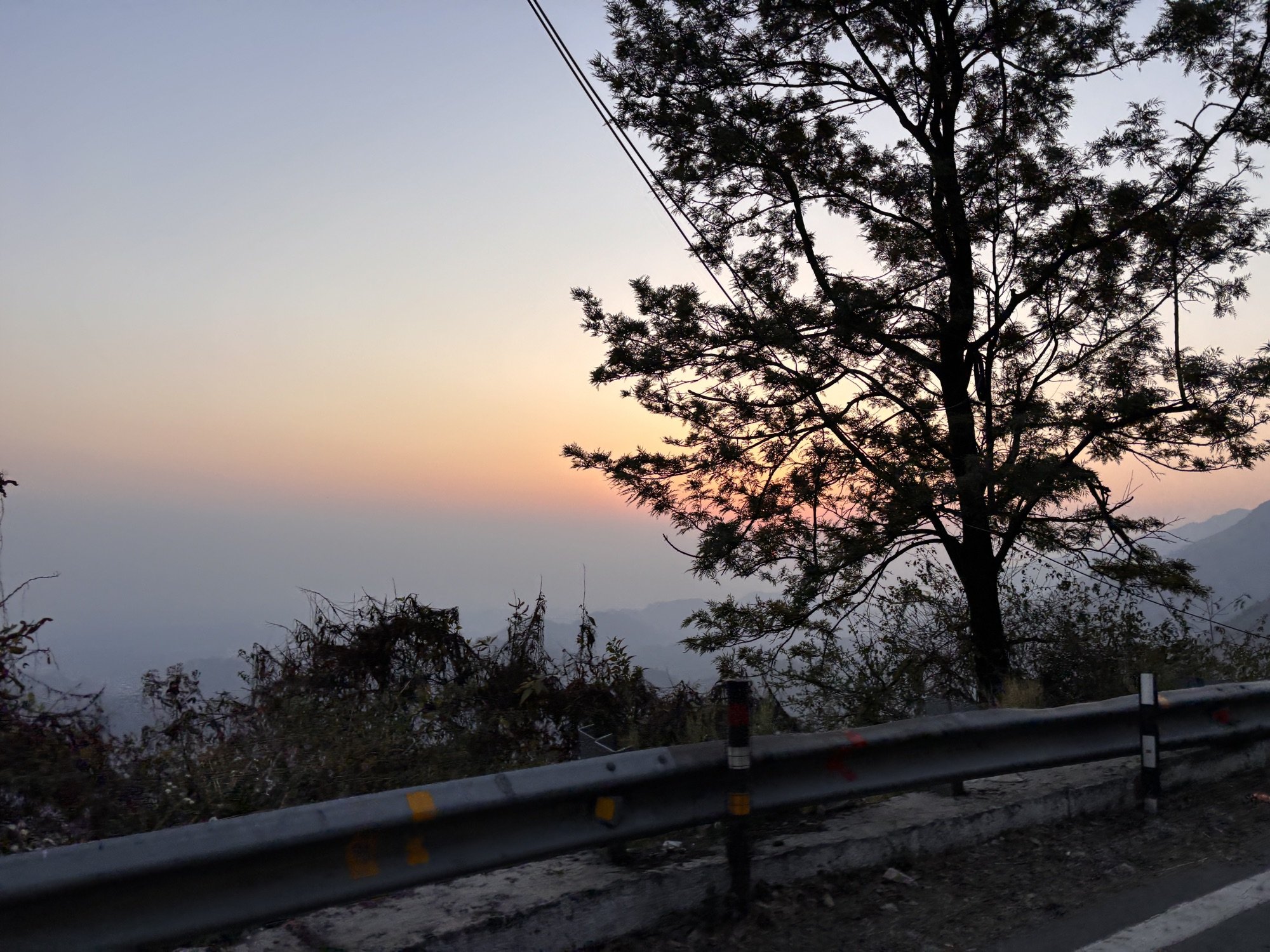
The ecosystem sets the length, not us.
A boat day and a heat day are not the same day.
Strategy and activities
The ecosystem sets the length
Two days to five. A day in the Sunderbans is a boat day; a day at Jaisalmer is a heat day. The programme does not pretend those are the same trip and does not price them as one.
Schools, not tourists
It is the school journeys programme, so a cohort arrives from one school already knowing each other — which means the week has somewhere to land when everyone gets back to the same corridor.
The rest of how it runs
Forest, Himalayan, desert, marine
The four ecosystems are the spine of the programme, and the destinations hang off them. A group that has done two of the four has something to compare, which is when the learning starts.
Ecosystem learning
The reason for the distance. Two days to five inside one ecosystem, learning the part of it that only holds together on site.
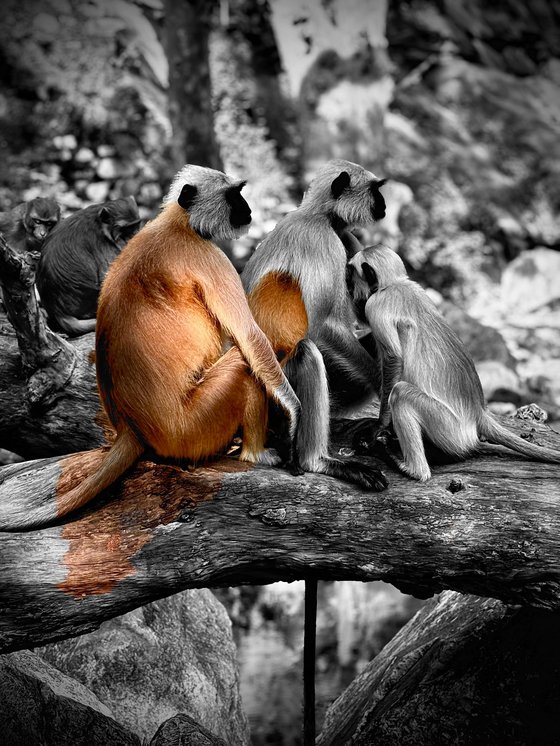
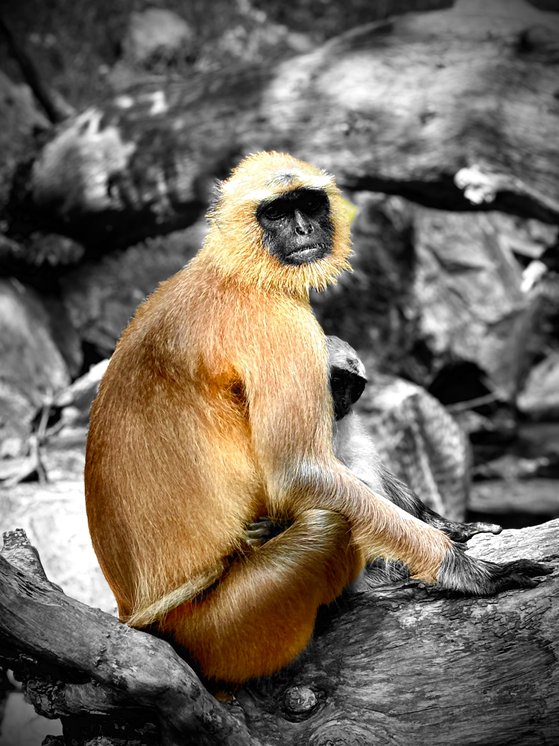
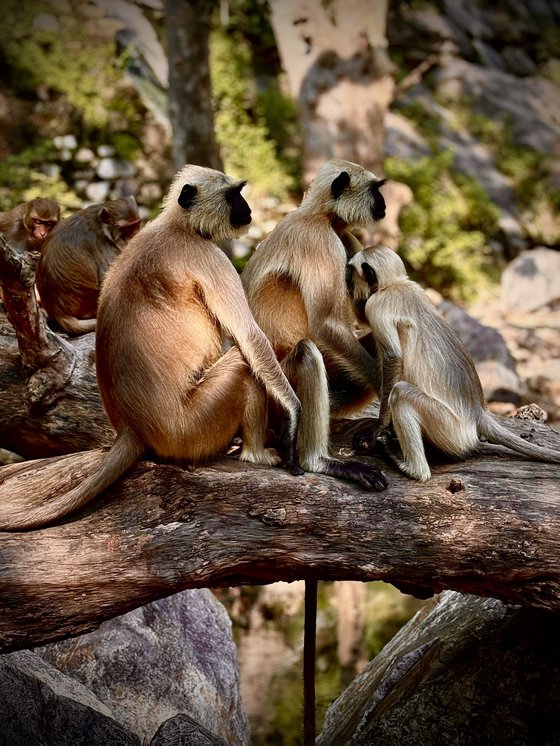
Langurs, on one of our own journeys.
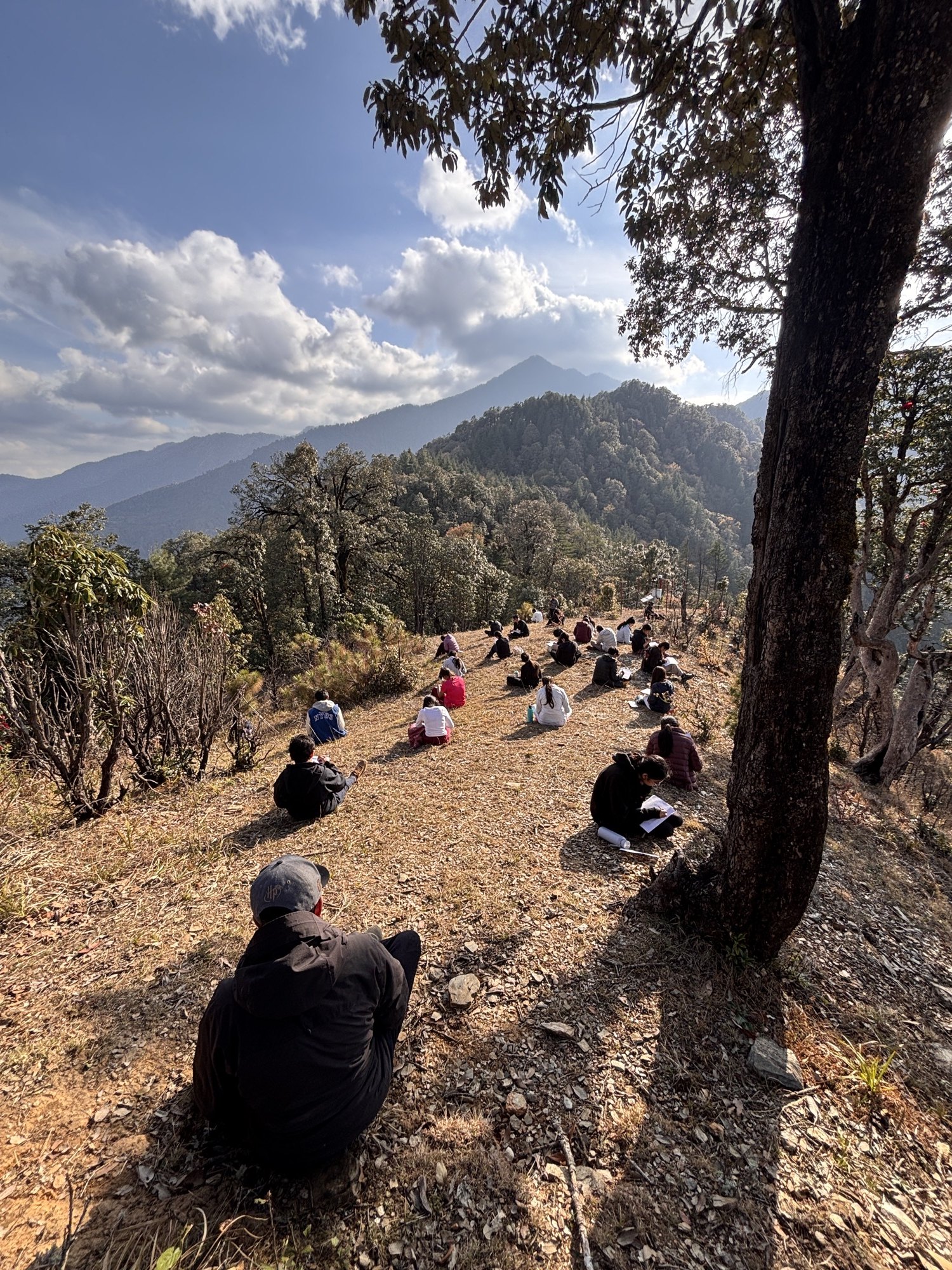
Community interaction
The people who live where the journey goes. A destination with nobody in it is a landscape rather than a place.
Shramdaan
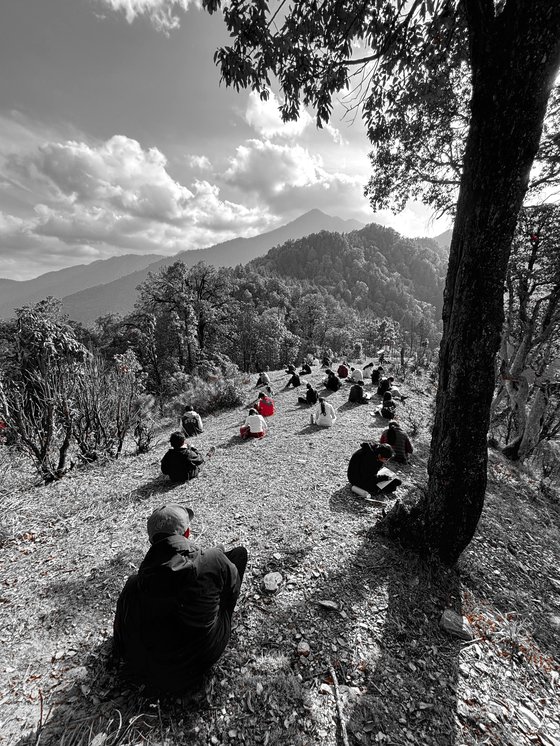
A day of physical work. Nobody expects it in a nature programme, and it is the day most groups talk about on the way home.
Self development
Writing, observation and time alone, built into the week rather than left to happen in the gaps.
Sariska · Ranthambore · Mukteshwar, Sirmaur · Jim Corbett · Sunderbans · Jaisalmer
Who it is for
School cohorts
Whole classes rather than individuals. This is the school journeys programme and the group is the unit.
Students who have been to none of the four
Forest, Himalayan, desert, marine. A photograph of a mangrove has never once told anybody what standing in one is like.
The teachers travelling with them
Somebody from the school is on every journey, and what they carry back into a classroom is the part of this we never see.
What it adds up to
More than sixty organised
Over sixty journeys, for schools including the Shriram Schools and Modern Schools.
What it looks like
NatureScapes
Who it is with
Schools by name.
- The Shriram Schools
- Modern Schools
Get involved
Bring your school
Straight to a person
This goes to Vimlendu Jha, Swechha’s Executive Director.
Or write to vimlendu@swechha.in.
Read first: Forest cover or tree cover? · What is a heatwave?
A school that has done two of the four ecosystems has something no single journey can give it.
Journeys
Yamuna Yatra
Twelve days and a thousand kilometres, downstream, from the source to Agra.
30+ yatras run
Journeys
Gram Anubhav
Four to five days in rural Uttarakhand, Rajasthan, Gujarat or Himachal.
60+ journeys organised
The evidence
The readings
What Delhi’s air, river and heat are doing right now.
Every situation, side by side