
Bridge the Gap
Between a hundred and a hundred and fifty Delhi schools every year. Land, water, air, waste, climate change — and who gets left out of all five.
What we do
A module-based curriculum on land, water and air — five to sixteen sessions, plus exposure trips and action projects.
0150
The rest of the figures
What it sets out to do
A place in the year, not a visit
Success is a slot on next year's timetable that nobody has to argue for. An assembly is far easier to get and it changes nothing.
Be affordable in time as well as money
The programme has to survive a school that can spare one period a fortnight, because that is most schools. A curriculum only the generous can take is a pilot.
Hand over the last session
The target is a class doing something in its own building without us. If we have to be in the room for it, we have built a performance.
Be replaceable
What we want to leave behind is somebody on the staff who can run it next year. Here the exit is the objective rather than the risk.
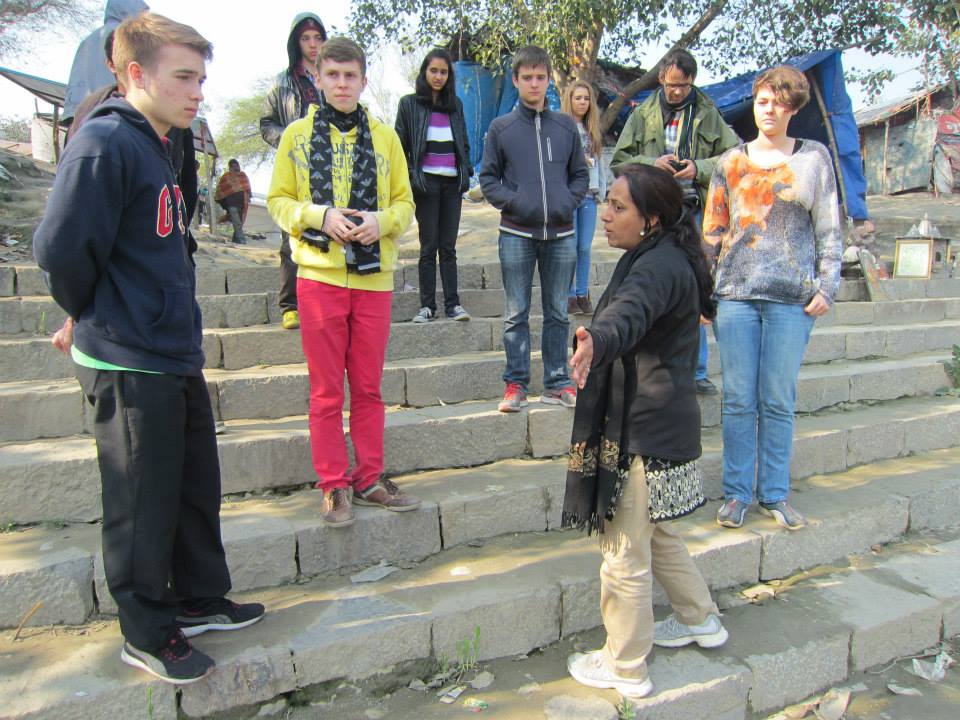
Five sessions, or sixteen. The school decides.
The wide end is the point. The same material has to hold for a fortnight and for a year without quietly becoming two different programmes.
Strategy and activities
Modules, not a syllabus
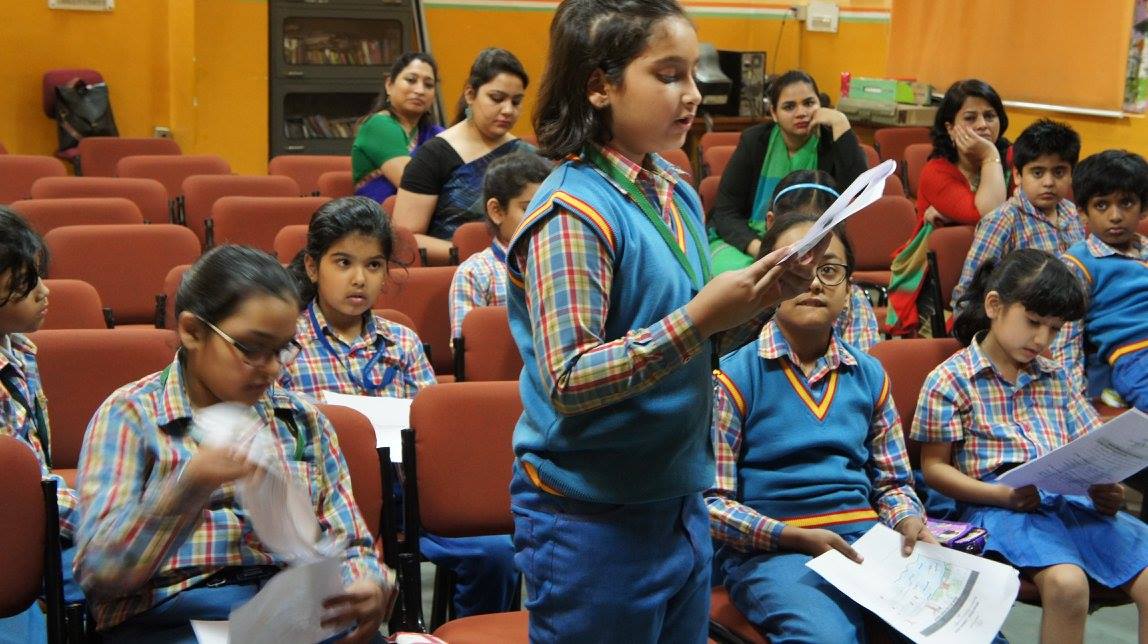
Five sessions, or sixteen. On land, water and air. A school takes the depth it can actually timetable, which is why the range is that wide.
Two leadership journeys ran inside it
CineGreen and Ride the Van ran alongside the year-long curricula in 2019–20, across over two hundred schools.
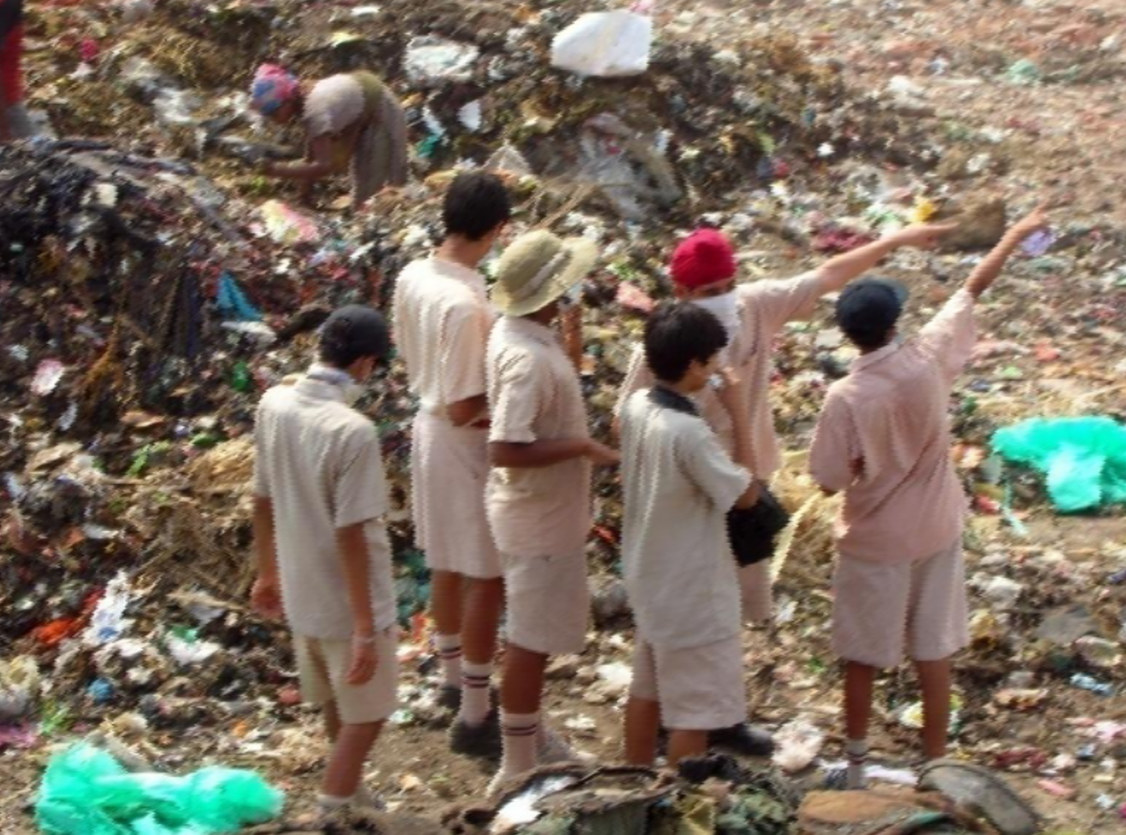
Exposure trips
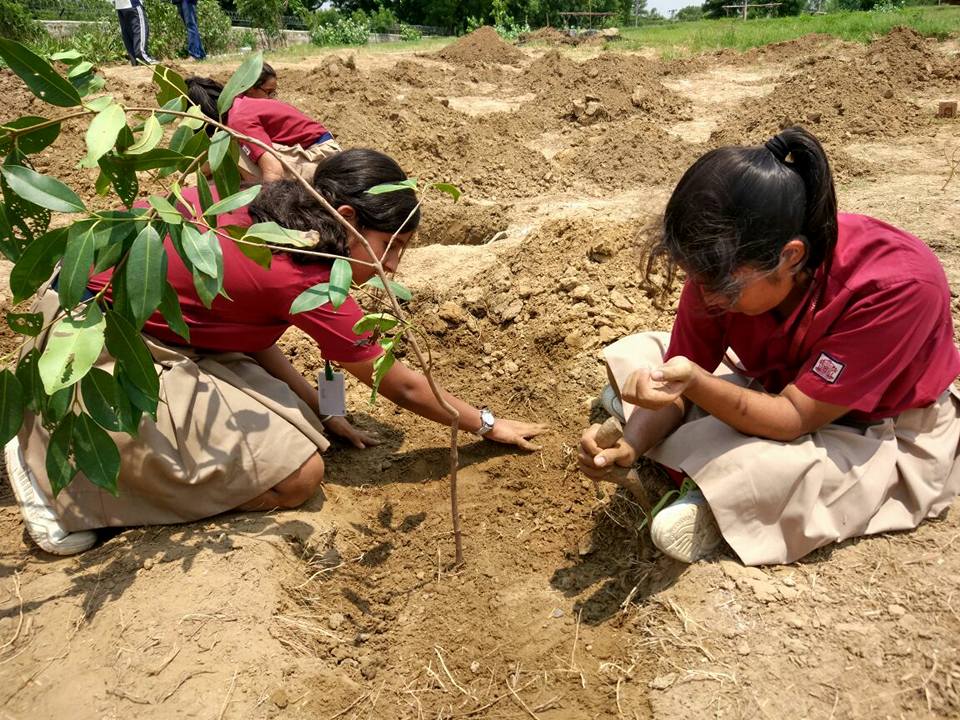
Exposure trips take the students to the thing the module was about — the river, the landfill, the ridge. A number is not a smell.
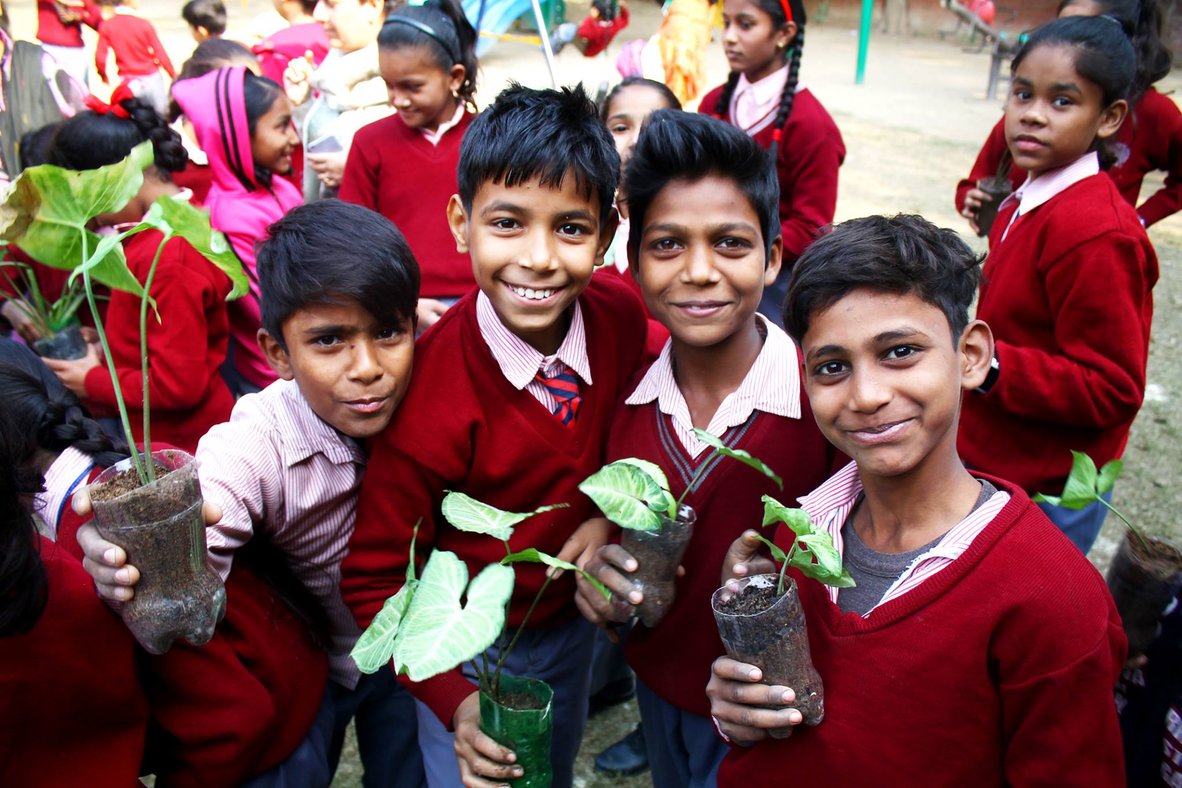
Action projects
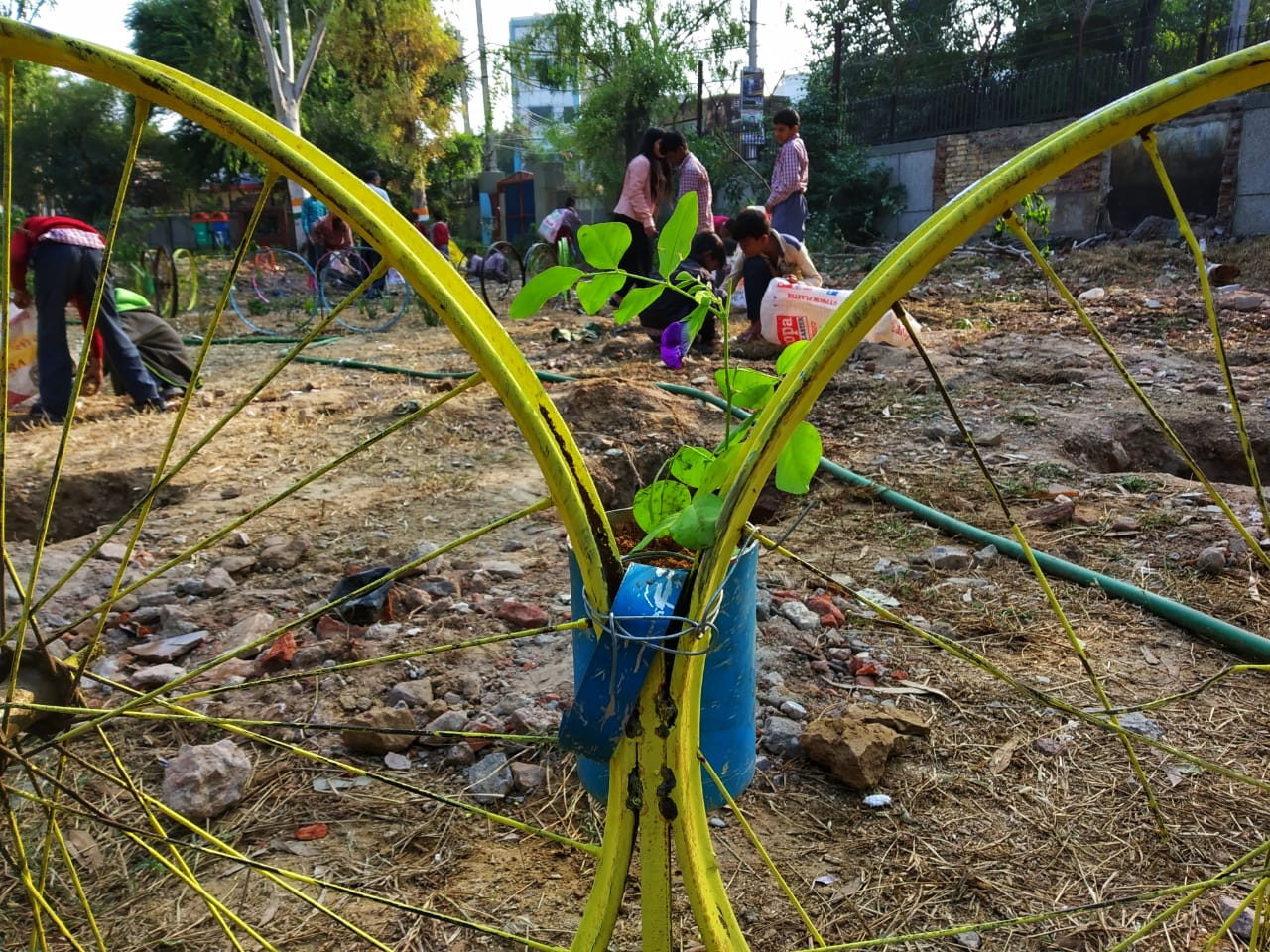
Every module ends in an action project the students pick and run themselves, in their own school or their own street. It is the part teachers remember and the part that is hardest to count.
Teacher training
The curriculum comes with teacher training, because a programme that only works while we are in the room is a visit, not a curriculum.
Who it is for
Delhi school students
The class is the unit. It runs in a school that gives us five sessions and in one that gives us sixteen.
Their teachers
Training comes with the curriculum, so the second audience is the person who has to stand up and teach land, water and air after we have gone.
Schools that want a year, and schools that want a fortnight
The module structure exists so that a school does not have to choose between all of it and none of it. Depth is a timetable decision and we let the timetable win.
Whoever gets left out of all five subjects
Land, water, air, waste, climate — and who carries the cost of each. Inclusive ecology is in the curriculum because a class that never asks who pays has not finished the module.
What it adds up to
3M+
Children and young people reached
Modelled · cumulative · since 2000
100–150
Schools in Delhi
every year
50,000+
Students through the curriculum
over fifteen years
250+
Schools in Delhi NCR
over fifteen years
Three million children reached
Since 2000, counting every child in a school the programme entered.
A hundred to a hundred and fifty schools a year
That is the current annual reach in Delhi.
The rest of the record
Fifty thousand students in fifteen years
Over 250 schools across Delhi NCR and over 50,000 students, cumulative.
Who has funded it
Bupa Foundation, Niva Bupa Health Insurance and Acuity Knowledge Partners fund it now. Sir Ratan Tata Trust, Nokia Siemens Networks, American Express, National Geographic and Adobe have funded it before.
What it looks like
Bridge the Gap
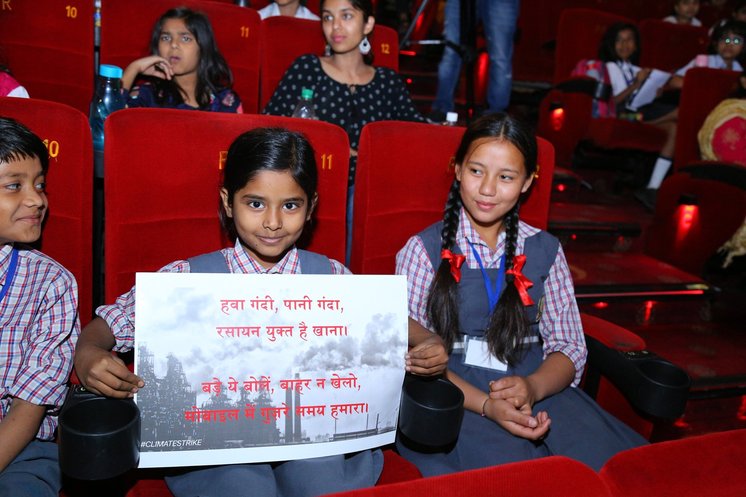
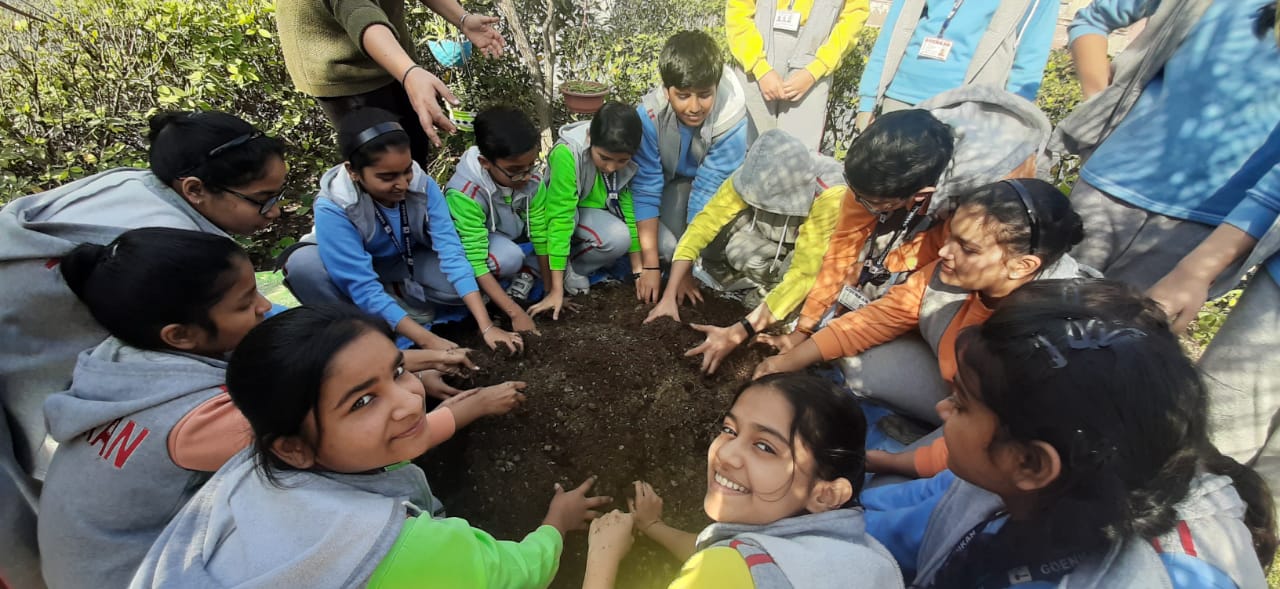
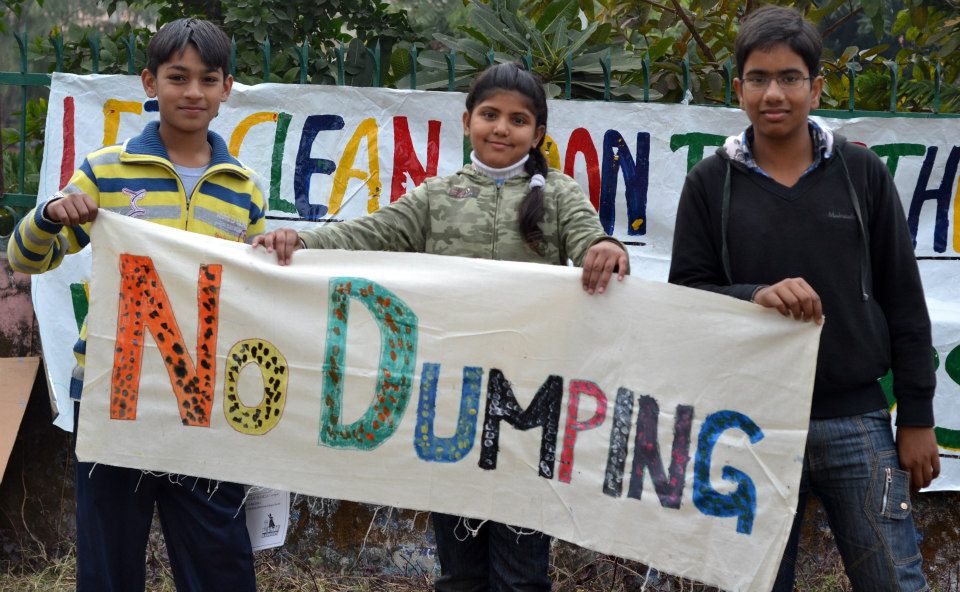
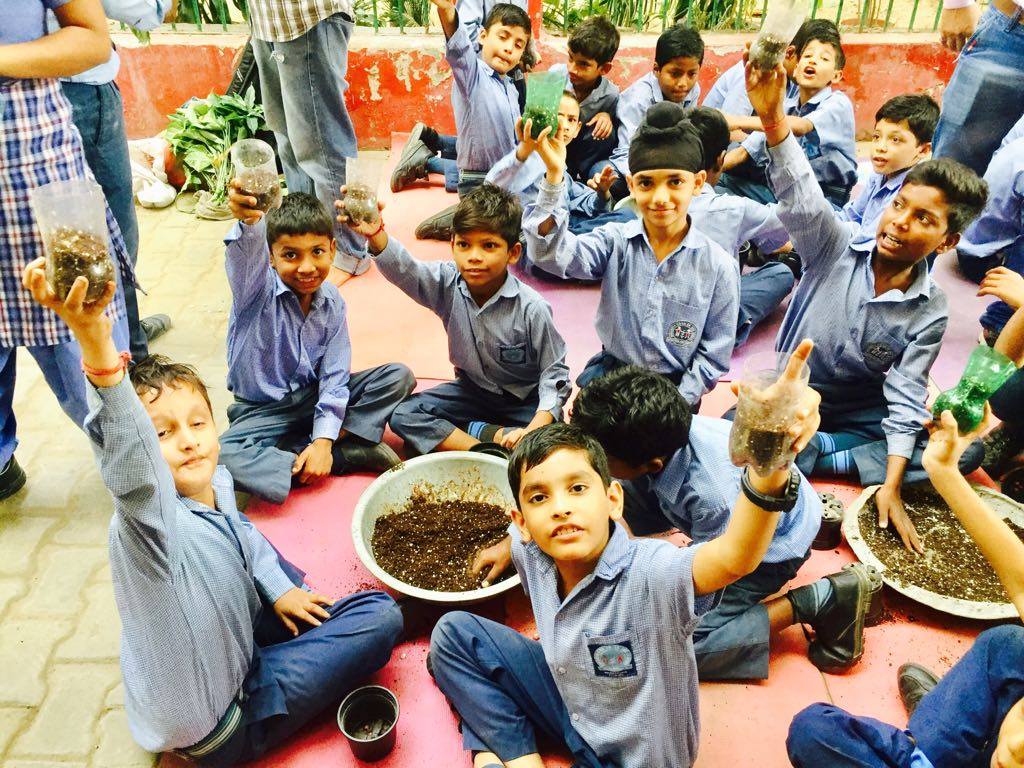

Who it is with
Funders by name.
- Bupa Foundation
- Niva Bupa Health Insurance
- Acuity Knowledge Partners
- Sir Ratan Tata Trust
- Nokia Siemens Networks
- American Express
- National Geographic
- Adobe
Get involved
Bring your school
Straight to a person
This goes to Vimlendu Jha, Swechha’s Executive Director.
Or write to vimlendu@swechha.in.
Fund this work
Straight to a person
This goes to Vimlendu Jha, Swechha’s Executive Director.
Or write to vimlendu@swechha.in.
Read first: What is PM2.5? · Why is the Yamuna so polluted in Delhi?
If you teach in a Delhi school, the shortest way in is one module and one term.
Projects
Farm School
A learning lab on five acres. Day visits, short courses, internships and stays.
30 school groups a year
Projects
Eco Action
Over 70 butterfly parks and over 20 herb gardens across Delhi NCR.
70+ butterfly parks across delhi ncr
The evidence
The readings
What Delhi’s air, river and heat are doing right now.
Every situation, side by side