
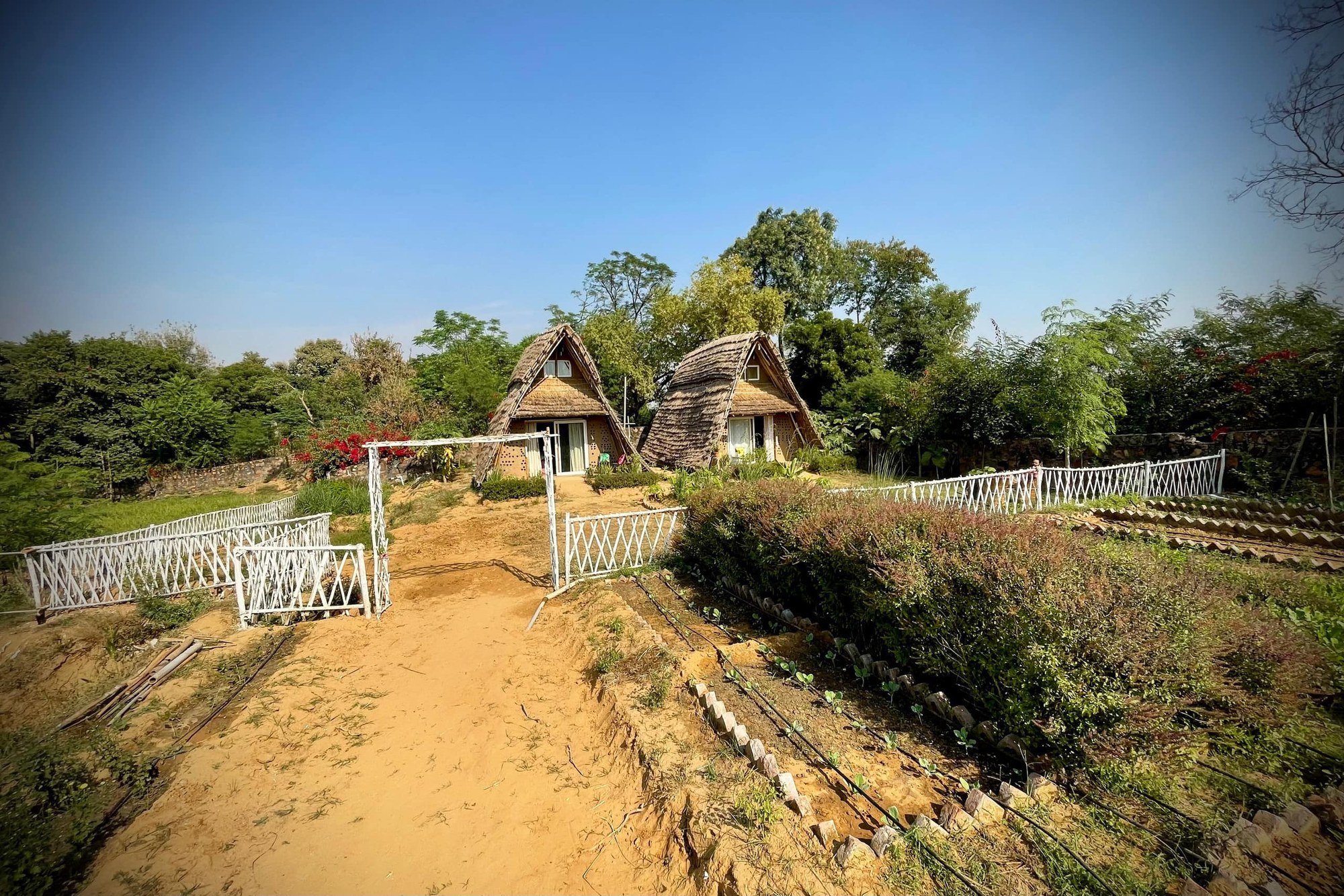
Swechha Farm
Nothing grew
here.
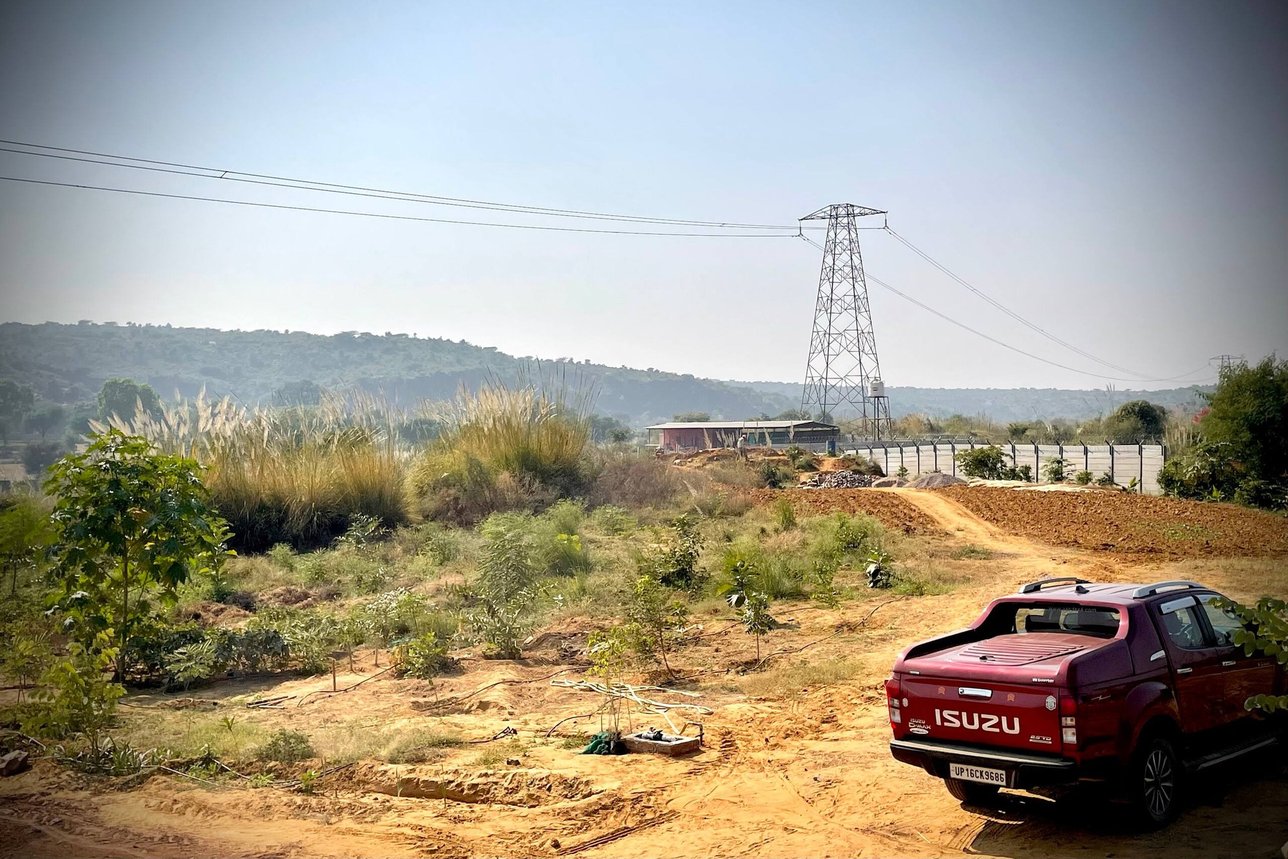
Five acres of barren ground at Ladpuri, in the Khairthal-Tijara district of Rajasthan — on the Haryana border, in the Mewat region, where the Aravallis run — ninety minutes from Delhi. One tree stood on it. It is now a Food Forest and a working farm, built with the people who live around it.
5
Acres
90
Minutes from Delhi
5,000+
Trees, grown from one
Ladpuri
Khairthal-Tijara, Rajasthan
A story of
change
One tree became more than five thousand, in less than five years. This ground had stopped growing anything. It was made, not improved.
So it's a story of transformation.
Vimlendu Jha, Executive Director
1
Tree, when the land was bought
5,000+
Trees now, most of them native
< five
Years between the two
Where this is, and why it counts double
It sits in the Aravallis — the oldest range in India, running from the edge of Delhi down into Gujarat, and presently quarried, mined and built on. And it sits in the Mewat region, which is among the poorest in the country: the district on the Haryana side has ranked at the very bottom of the national development tables. The farm itself is on the Rajasthan side, in Khairthal-Tijara, carved out of the erstwhile Alwar district. Five restored acres in a comfortable place is landscaping. Here it is an argument.
Built by
Mewat
The labour, the knowledge of what this ground does in June, and the hands that put the mud houses up are local. The people here are not beneficiaries; they are the reason there is anything to visit.
Trees, and what follows trees
Over five thousand, most of them native, because a native tree is the one the birds and insects here already know what to do with. Then shade, leaf litter, soil, and the birds.
Permaculture, which here means the farm feeds itself
Not a style of gardening. It is the rule that every output has to be some other part's input: leaves and dung into the vermicompost lab and out as soil, flowers into honey, fodder into milk.
Mud houses, built out of the site itself
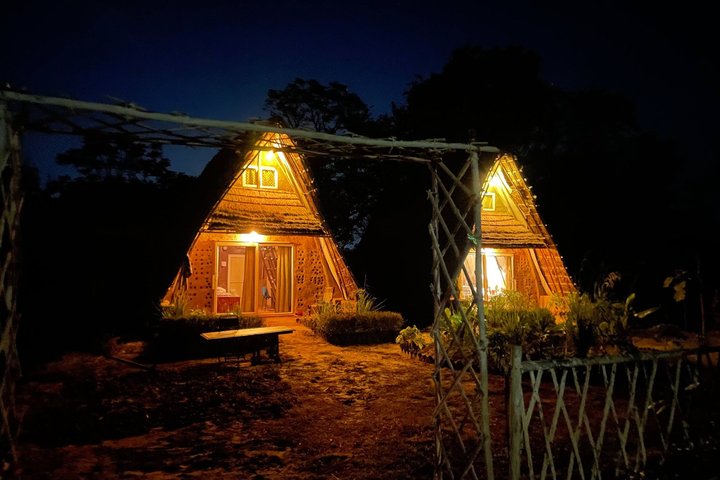
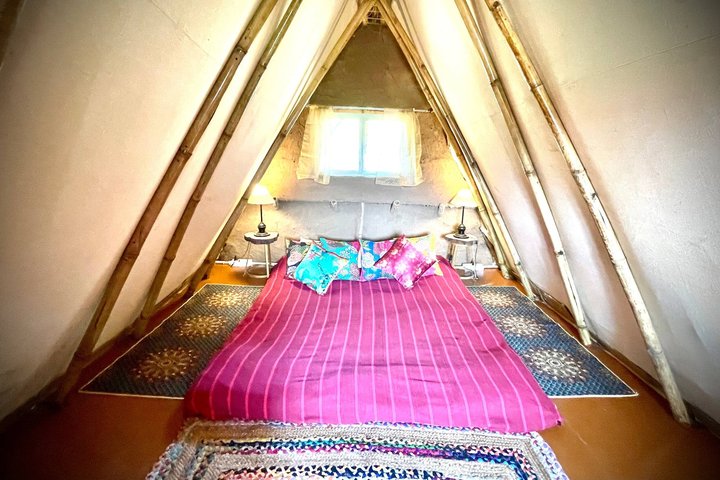
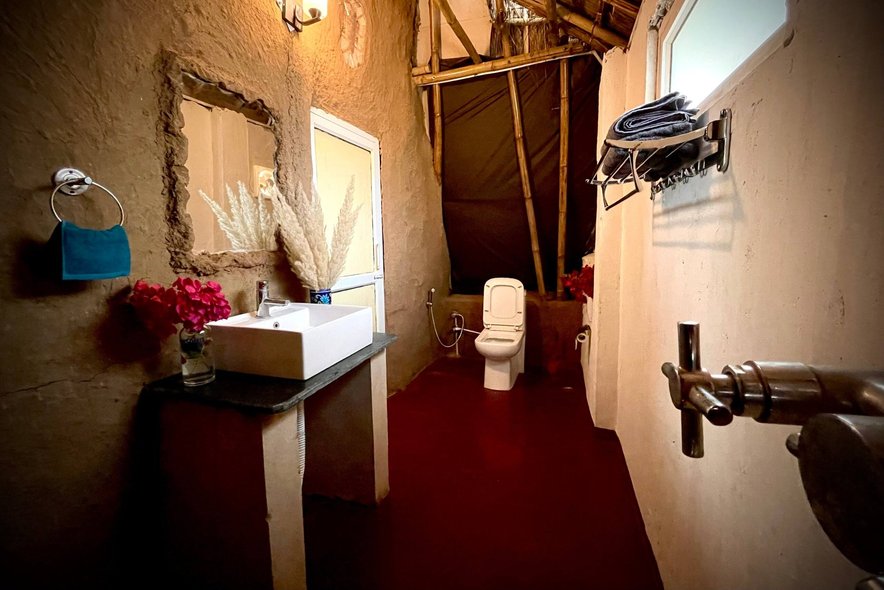
Thatch over mud, with bottle glass set into the walls for light. Not a rustic effect — a prototype, tested by people sleeping in them through an Aravalli summer and an Aravalli January.
What grows
there now
Every one of these had to be put there and kept alive.
5,000+
Trees, most of them native
20,000
Saplings in the native nursery
20
Cows in the dairy
5,000 kg
Dead leaves composted into soil on site
500 kg
Honey from the apiary
What five barren acres put on a table
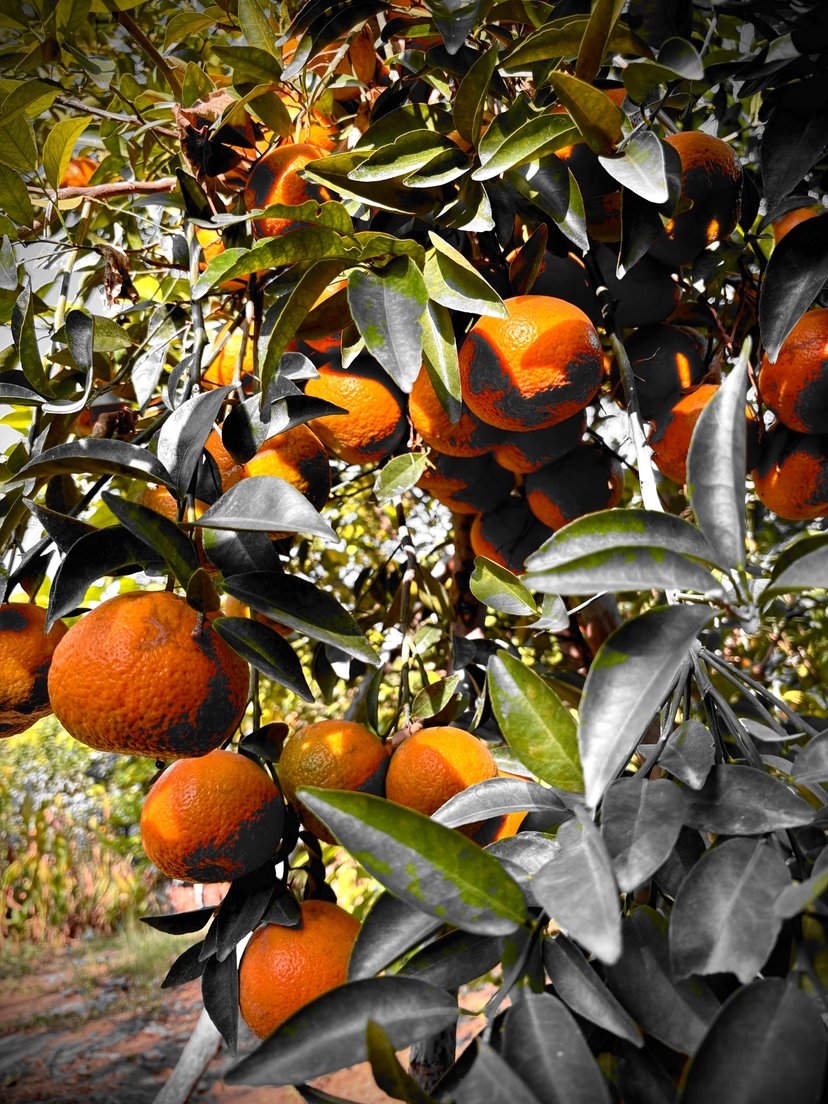
Vegetables and leafy greens from the beds, oranges and lemons, turmeric, microgreens under racks, honey from the hives and milk from the herd. Most of what the kitchen puts in front of a group grew within sight of where they eat it.
200
Amla
200
Kinnow
200
Moringa
Fourteen things
running
Everything here is a system that has to produce. If one stops producing it stops teaching, and it gets fixed rather than relabelled.
The Food Forest
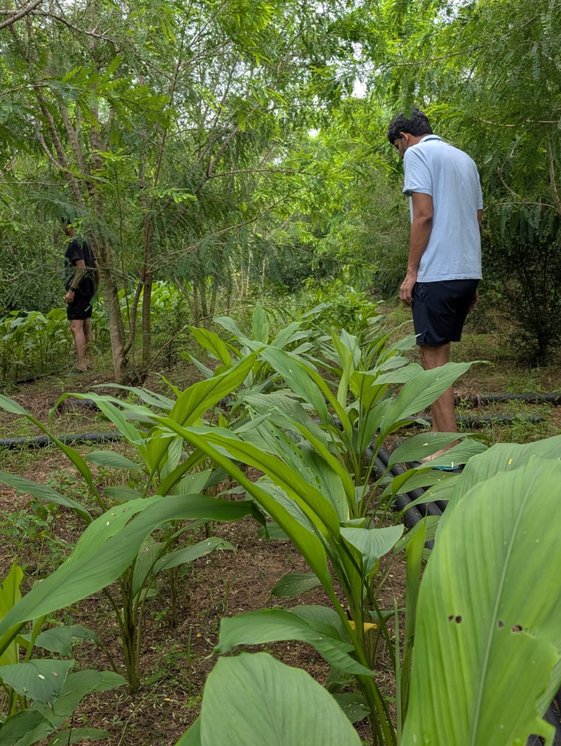
Layered rather than planted in rows — canopy, understorey, ground.
Vegetables, and the orchard
Grown to be eaten. The kitchen serves what the beds gave that week.
The dairy
Twenty cows. The milk and ghee are theirs; the dung starts the compost.
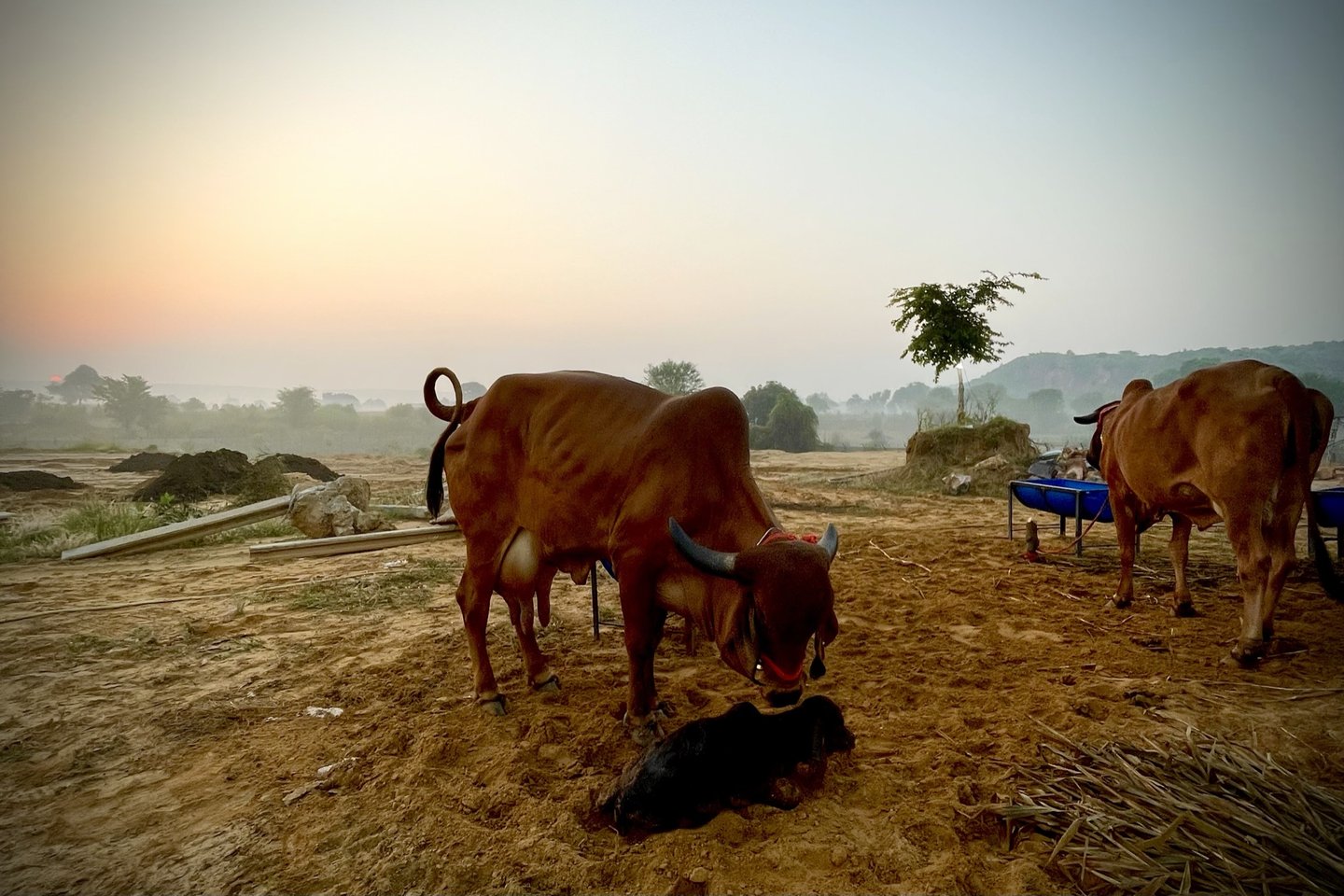
Poultry
Small, and part of the cycle rather than a unit of production.
The native nursery
Twenty thousand saplings, which is why the tree count keeps going up.
Vermicompost
Leaves and dung in at one end, soil out at the other.
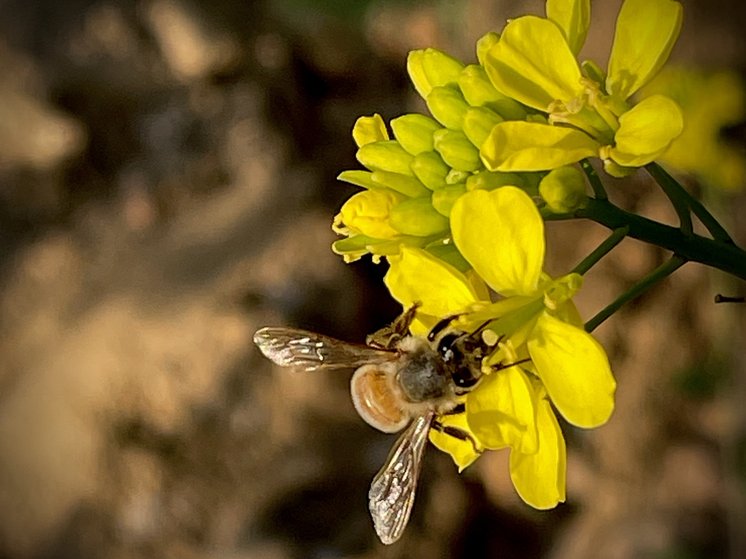
The apiary
Hives that have to be worked, not watched. Honey is the by-product.
The butterfly garden
Planted for the insects, which is why it is best when it looks untidy.
Hydroponics
Fodder grown without soil, for the months when nothing green grows outside.
Mud houses
Built to be lived in and watched. A prototype nobody sleeps in is untested.
The camping site
Tents, and room for a hundred of them — hence campground, not guest house.
The insect hotel
Drilled blocks and hollow stems, for the pollinators that do not live in hives.
The Remakery studio
Things taken apart and made into other things, rather than thrown away.
Solar, and an honest amount of it
Enough to matter, not enough to pretend the grid is not there. An inverter carries the rest.
Live, Learn,
Lead
The farm's own three words, and also the three lengths of stay: Learn is a day, Live is a night, Lead is what educators or a small organisation come to do with the rest of it.
Live
A night on the farm, in a mud house or a tent, with the crickets going.
Learn
Farming, food, water and waste, taught by a place that has to actually produce.
Lead
Educators and small organisations, using five acres as the room they think in.
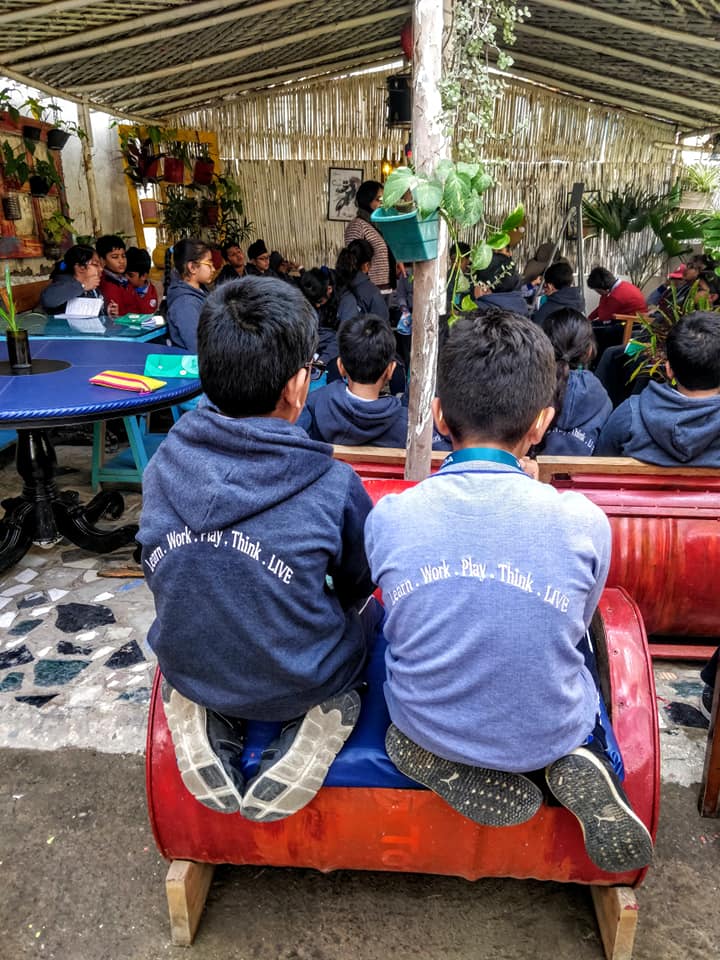
Day visits, half a day or a whole one
A bus and a packed lunch. Half a day is the commonest shape; a full day gets you the afternoon, when most of the farming happens.
Schools, colleges, families and individuals — and educators on their own account.
Bring a group for the day
Straight to a person
This goes to Vimlendu Jha, Swechha’s Executive Director.
Or write to vimlendu@swechha.in.
Overnight school camps
A night changes what a day out can be. Up to a hundred students stay over in tents on the farm's own camping site, and the dark is genuinely dark.
100 Students can stay over
30 School groups a year
School groups staying over, up to a hundred at a time, under canvas.
Bring your school
Straight to a person
This goes to Vimlendu Jha, Swechha’s Executive Director.
Or write to vimlendu@swechha.in.
Retreats for small organisations
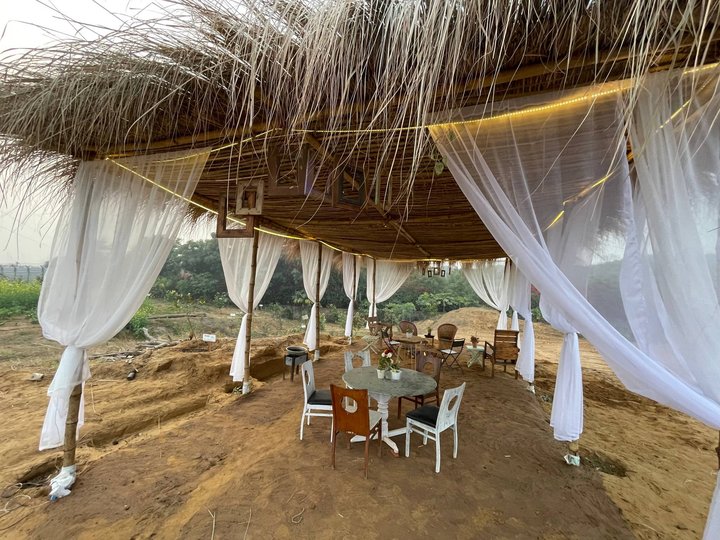
There is a table under thatch with the field on three sides of it. Small organisations come for a day or two of their own work; the chores do not distinguish between a board and a school group.
Teams and small organisations wanting the city to stop being the reference point.
Ask about a retreat
Straight to a person
This goes to Vimlendu Jha, Swechha’s Executive Director.
Or write to vimlendu@swechha.in.
Stays and internships
Weeks rather than hours. An internship should end with a person running part of this place unsupervised; a shorter stay is a mud house and a hand with the day's work.
Interns and researchers from India and abroad, and anyone who wants to stay.
Ask about a stay
Straight to a person
This goes to Vimlendu Jha, Swechha’s Executive Director.
Or write to vimlendu@swechha.in.
Volunteering camps
A camp where the point is the work: planting, weeding, building, clearing, and leaving the place measurably changed. It is the door most people who end up staying came through first.
Colleges, corporate teams and individuals. Numbers are limited by the work there is that week.
Ask about a work camp
Straight to a person
This goes to Vimlendu Jha, Swechha’s Executive Director.
Or write to vimlendu@swechha.in.
What a group
actually does
None of this is laid on. It is the day's work, and a group joins it.
Learning the place, on foot
The butterfly garden, and what a food forest looks like from inside one.
Bird watching
Five thousand trees where there was one has made this a birding site.
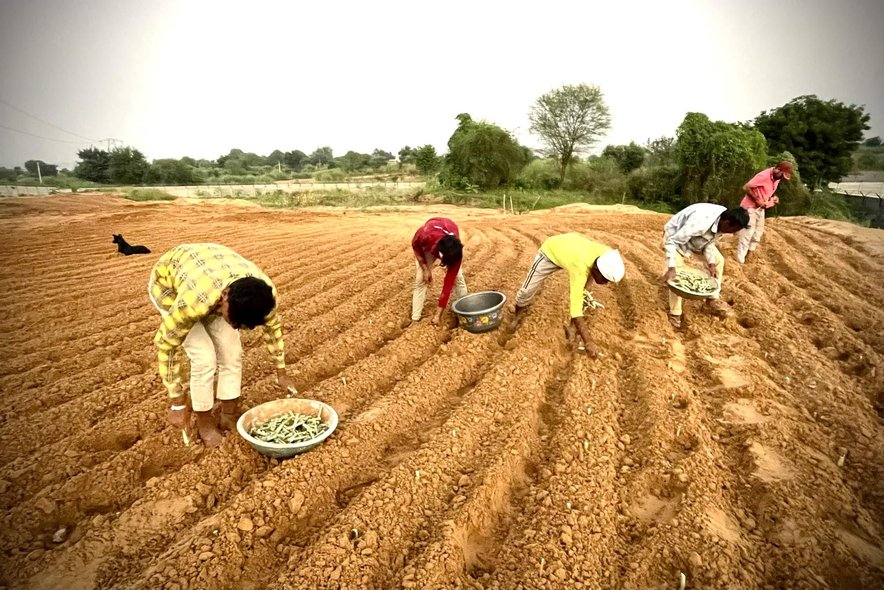
Farming, with your hands in it
Sowing, weeding, harvesting whatever is ready. Forty people make a dent.
A tractor ride
Unglamorous, enormously popular, and the fastest way to work out how big five acres is.
Food, from the ground it grew in
Cooked on the farm from what the beds gave that week.
The cows, up close
Feeding them, and finding out what twenty animals need every day.
The hives, and what they are for
Bees teach what a monoculture costs without anybody having to say the word.
Composting, start to finish
Leaves and dung in, soil out. The whole argument of the farm in one shed.
Star gazing
Ninety minutes from Delhi is far enough to get the sky back.
The sound of crickets
No traffic under it — for many visitors, the loudest quiet they have sat in.
Shramdaan
Labour given, not bought — the same practice the Yamuna clean-ups run on.
It is not
a hotel
The part most places leave out.
The power is not reliable
Agricultural land. An inverter keeps the lights on, but you will notice.
A large group sleeps under canvas
Mud houses take a family; a school camp takes the camping site, in tents.
No wi-fi, no television
Mobile data works. That is the whole provision, and for many the reason to come.
The water is groundwater
Drawn here and filtered for drinking; the nearest shop is a couple of kilometres away.
Animals live here
Cows, bees, birds, buffalo, goats and chickens, none arranged for visitors.
It's not a hotel, it's natural, it's rustic. It's a real farm.
Vimlendu Jha, on the farm's own listing
Come and see
There is no booking form: every way of coming here is different enough that it starts with a conversation. Say which door you mean and roughly when.
Write
For school camps, courses and retreats, which are arranged rather than booked.
Bring your organisation
Straight to a person
This goes to Vimlendu Jha, Swechha’s Executive Director.
Or write to vimlendu@swechha.in.
The Farm School
The programme that runs here — the five C's, the courses, and what a stay is actually for.
The rest of the work
The farm is one of the things Swechha does. The register is the rest of them.
Once a month, what these numbers did.
One email. What the six readings did that month, what moved and what did not, and what we did about it. Nothing else, ever — no appeals between digests, and your address is never shared with anybody.
Confirm by email before anything is stored. Every message carries a one-click link to stop them.