
Live Life Better
Supported by the UN Environment Programme (UNEP) through the One Planet Network
Swechha is an environmental organisation in Delhi, working since 2001 — air, the Yamuna, schools, journeys and a five-acre farm.
What we buy, eat and throw away — taught for a year in fifteen Delhi-NCR schools, grown in fifteen school food gardens, and told back by the students in one-minute films.
1,500
Students taught directly, estimated
2025–26 project period
15
Partner schools across Delhi-NCR
2025–26 project period
60
Classroom workshops, four in each school
2025–26 project period
15
School food gardens, planted twice
Winter 2025 and summer 2026
The plate and the planet
The project calls its subject sustainable consumption: where our food and our things come from, what they cost the planet, and what is left over when we are done with them. Young consumers make these choices every day and are taught the least about them.
Every lunchbox has a supply chain. Most students have never been asked to trace one.
Three themes, one argument
Consumer information. Sustainable lifestyles and low-carbon living. Food systems and zero waste. A plate of dal chawal is the way in to all three.
Eleven government, four private
Fifteen schools across Delhi, Gurugram and Faridabad. Government schools have the ground for a garden and not the budget; private-school students have the consumption and the reach. The project needed both.
Learn it, grow it, say it
Workshops gave the knowledge. Gardens and compost put it in the students’ hands. A film festival gave them a way to tell everyone else.
One part of a global strategy
Live Life Better is part of the One Planet Network’s work to mobilise children and youth for the Global Strategy on Sustainable Consumption and Production, and SDG 12: responsible consumption and production.
Four deliverables
Sixty workshops, fifteen gardens that had to last two seasons, compost where the canteen waste goes, and a film festival run by the students.
Workshops
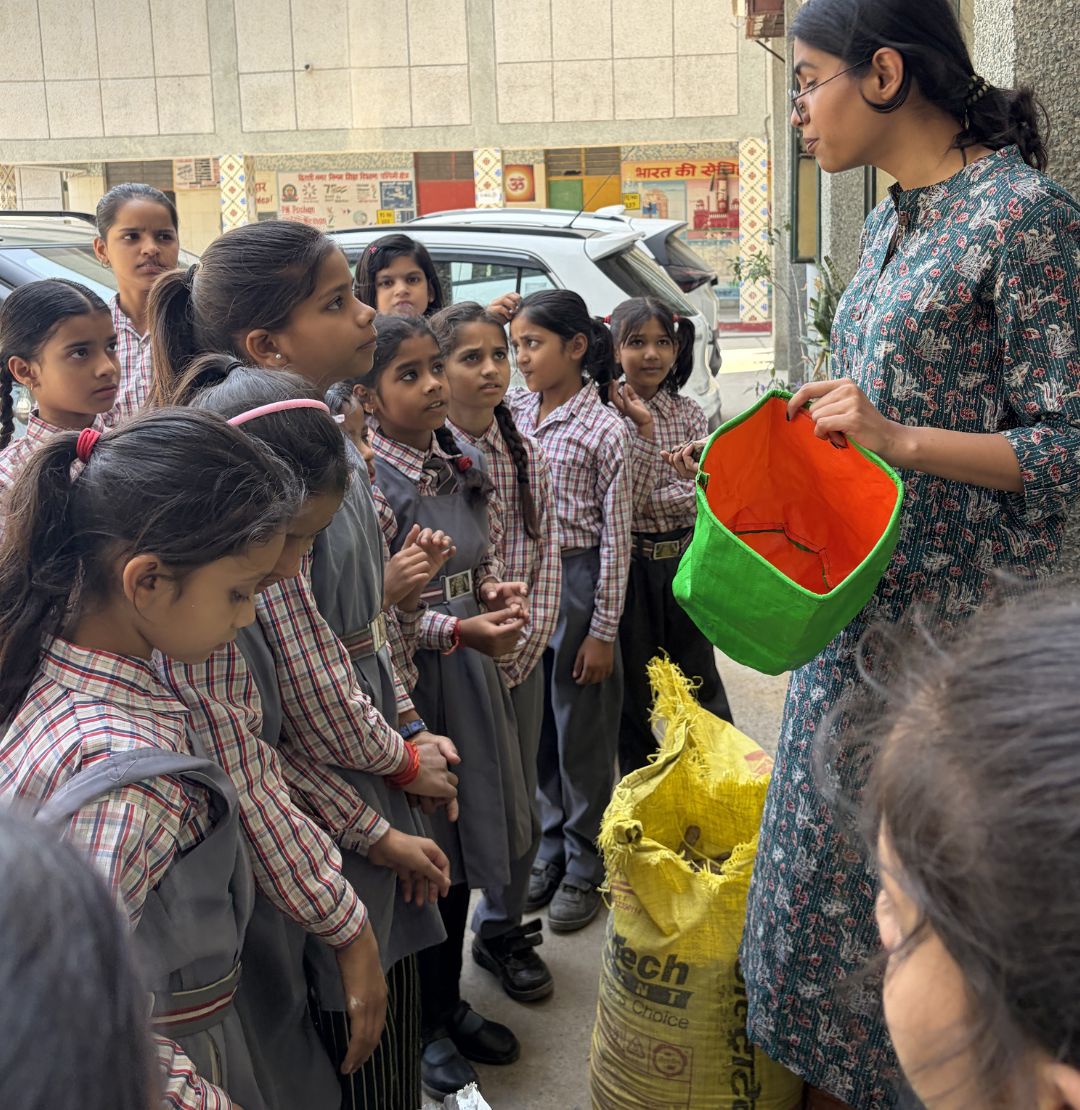
Four one-hour sessions in each of the fifteen schools, for students in classes five to nine, on food and responsible consumption — sixty in all, inside the school timetable.
The first question was the easiest one to ask and the hardest to answer: did you have breakfast today, and do you know where it came from? Wheat takes four to five months to grow. One roti’s worth of it takes three to four hundred litres of water.
What the four sessions are
Journey of Our Food. Seeds, Soil and Sustainability. Traditional Food Wisdom and Soil Composting. Responsible Consumption.
Each session is written out as a facilitator’s toolkit, with timings, materials and the films used in class.
How a session runs
Games, short films, role-play and maps. Students trace each ingredient of a meal back to the state it grew in, work out its food miles, and use a carbon-footprint calculator built on Indian data.
Then the class goes outside
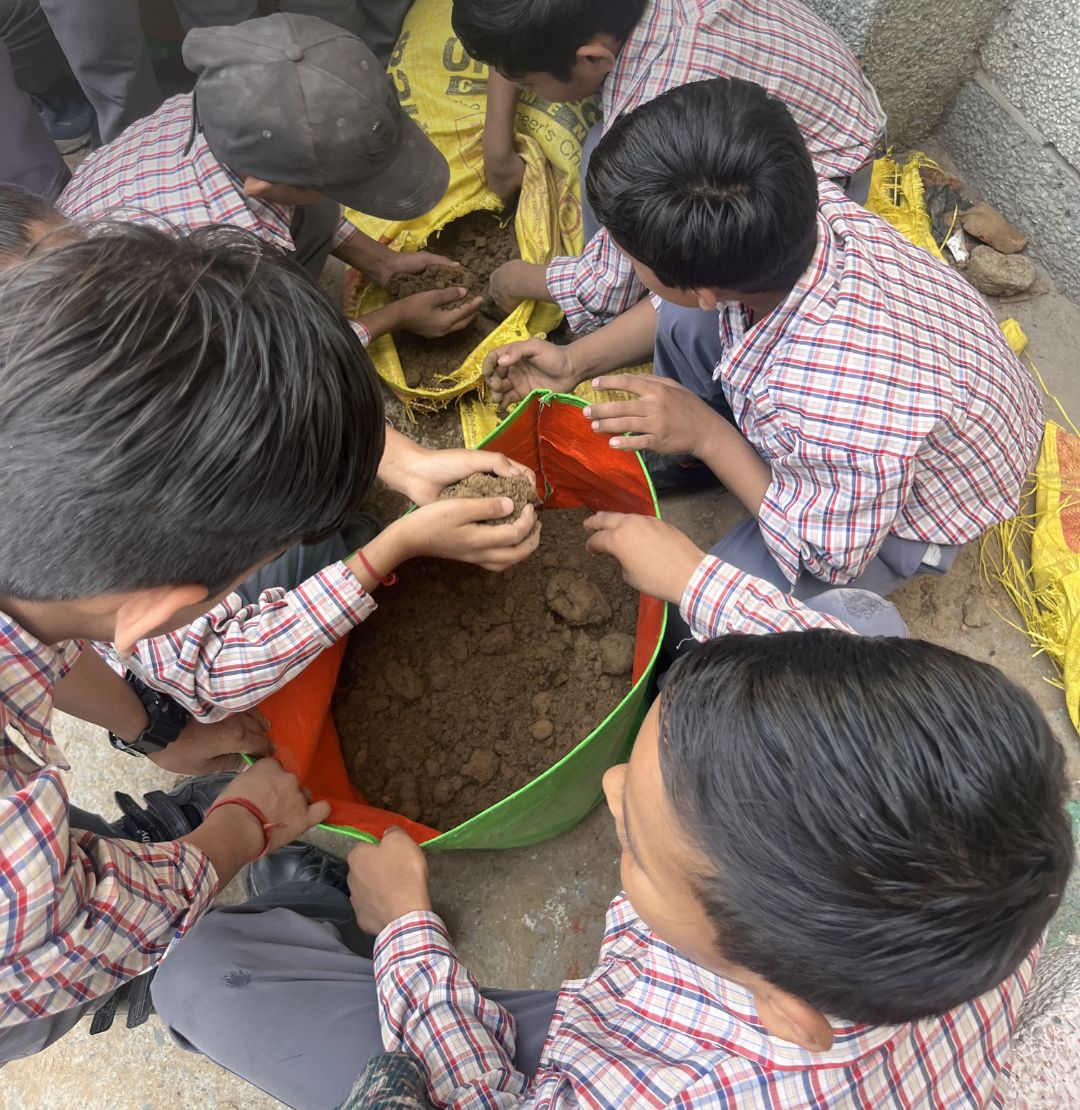
The last sessions move from the classroom to the soil: seeds, compost and the bed the class will plant. The workshops are where the garden gets planned.
Food gardens
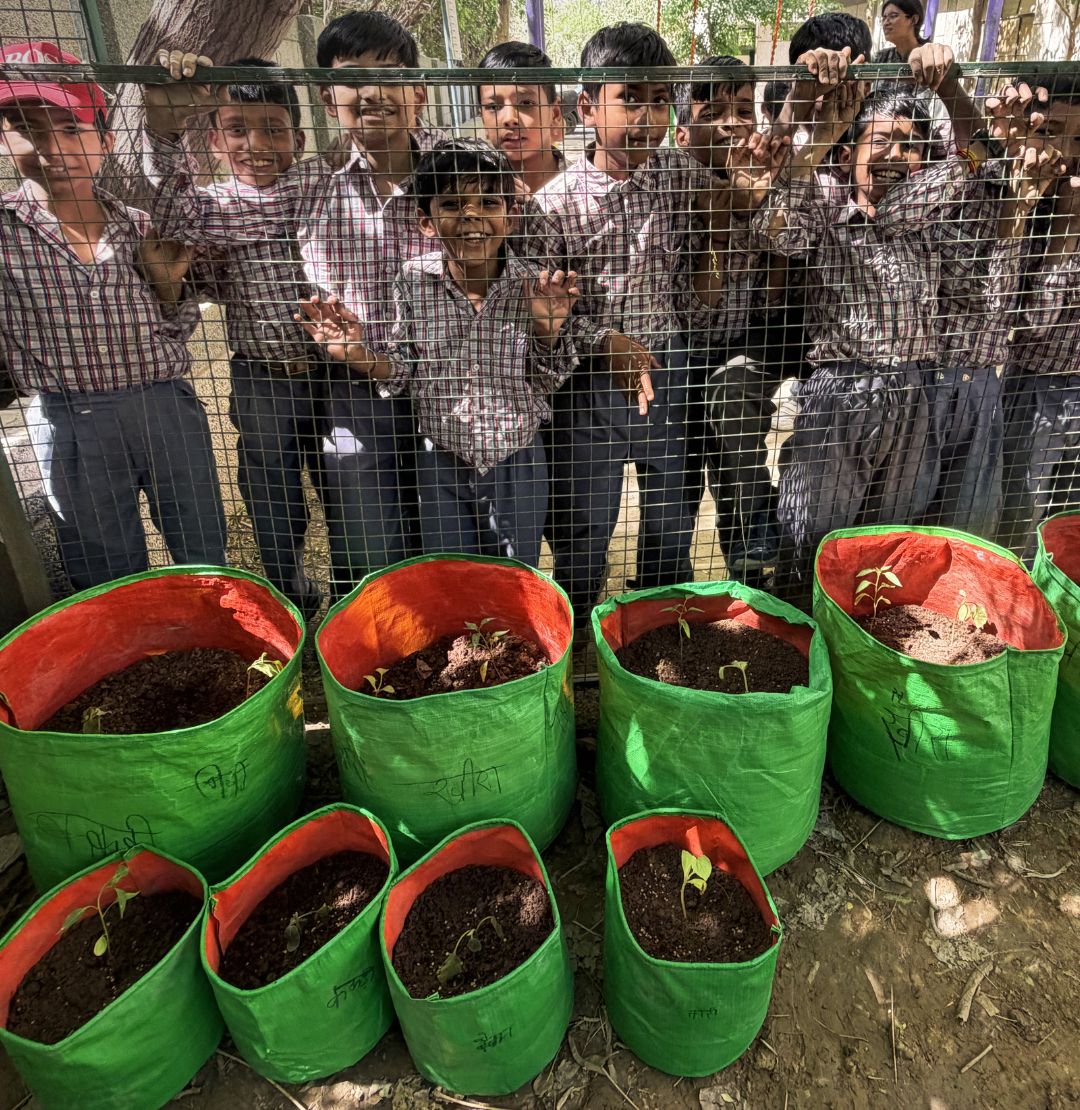
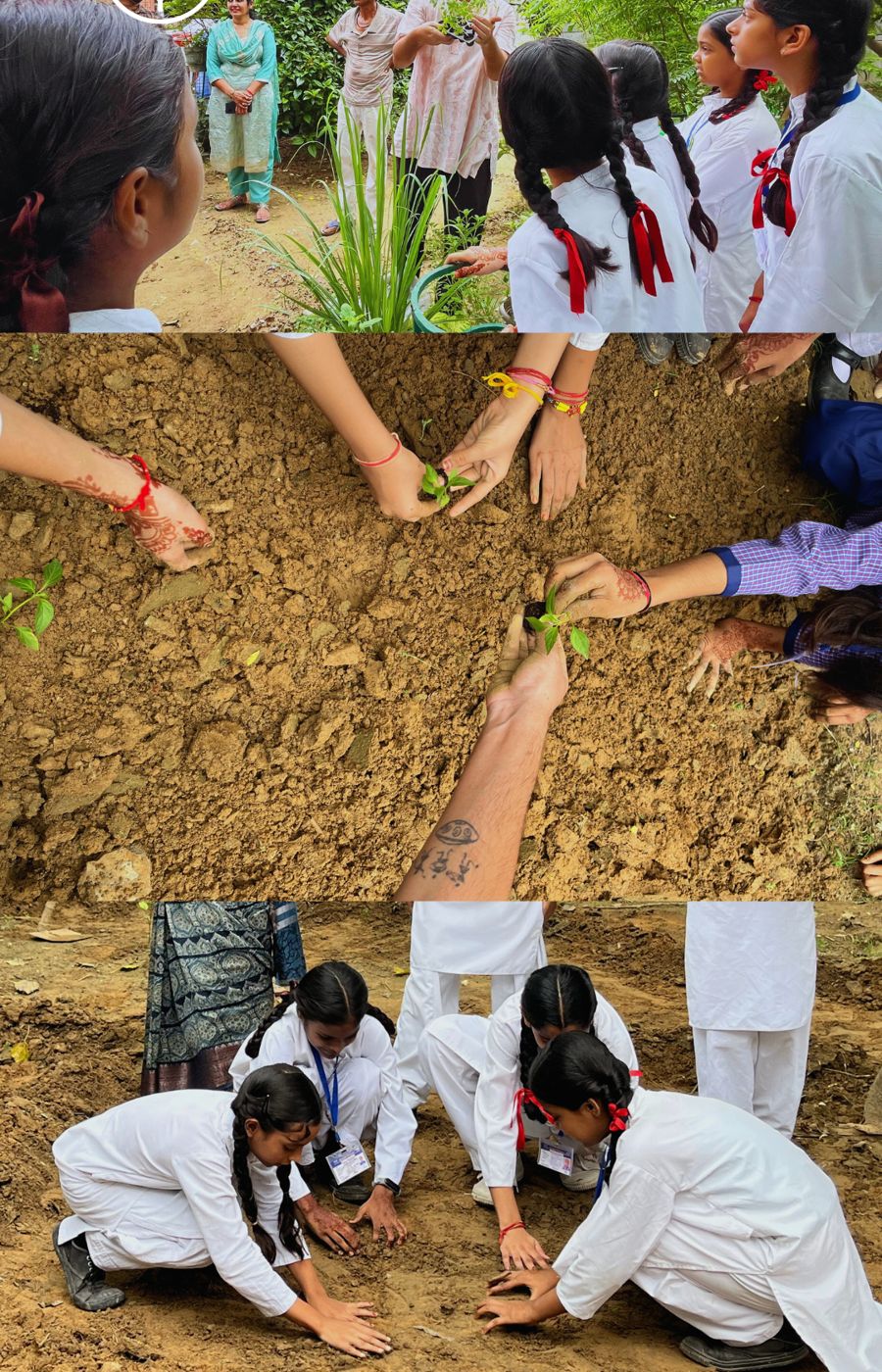
Fifteen mini food gardens, one in each school, planted in the winter of 2025 — and replanted for the summer of 2026, which was in no plan.
A garden planted once is a photograph. A garden planted twice is a habit. The summer replanting was the schools asking for a second season, and Swechha going back to give them one.
What the students did
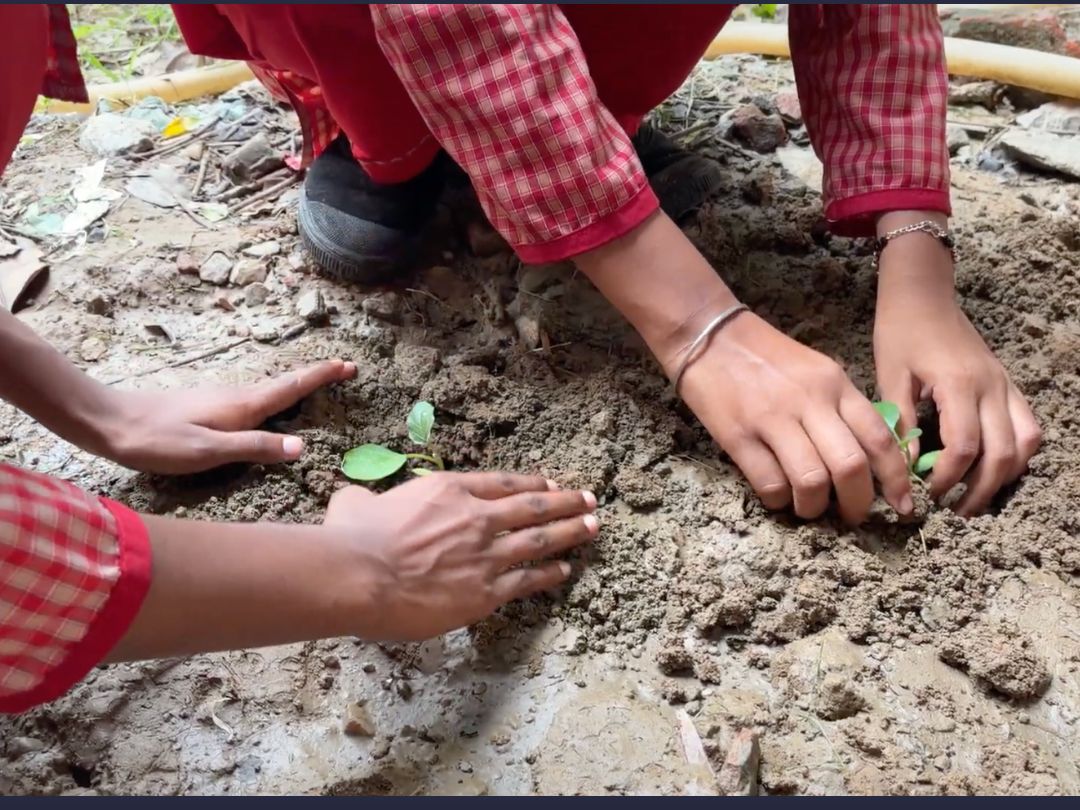
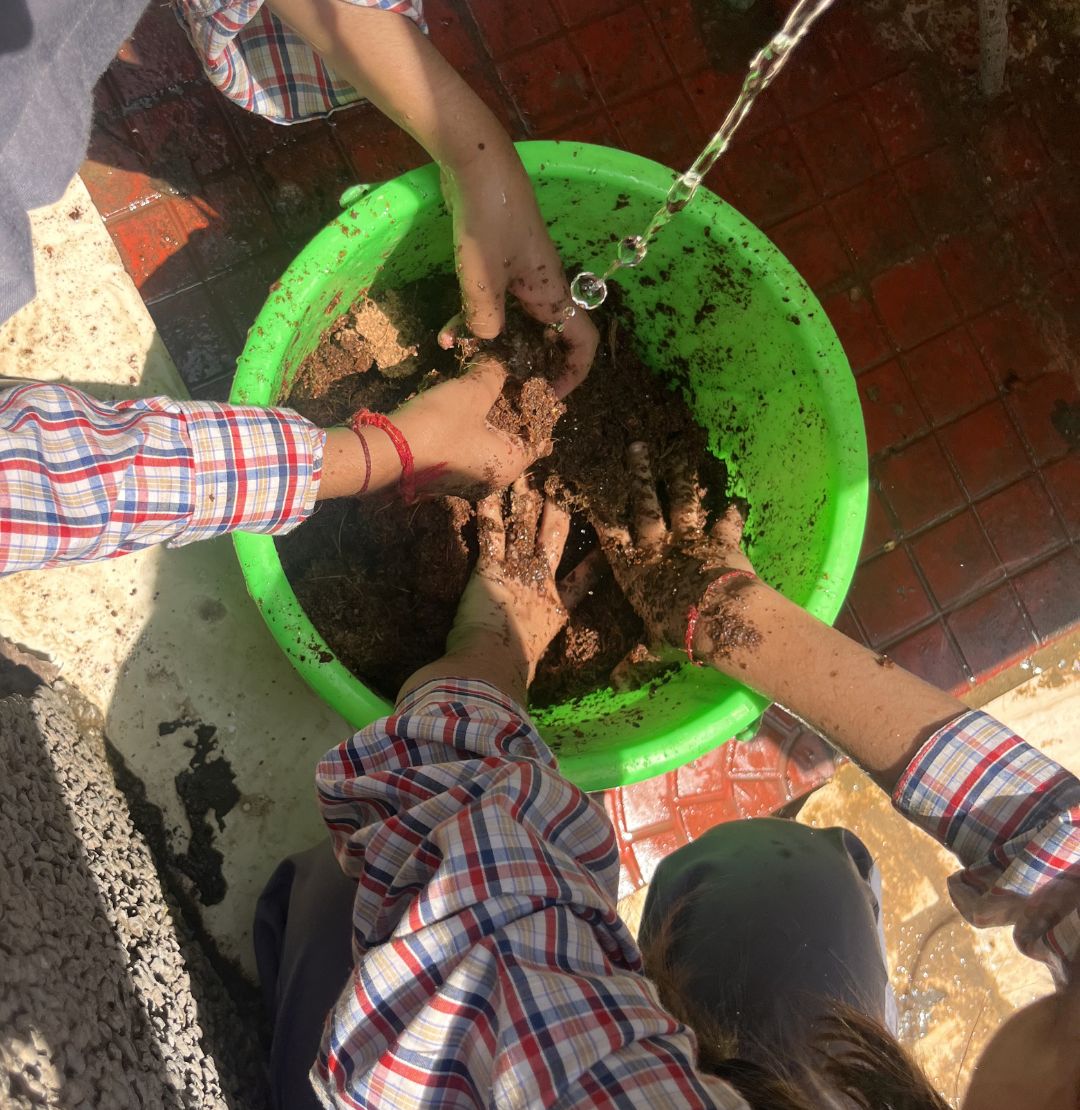
Designed the beds, filled grow bags and drums, sowed seasonal vegetables and herbs, made compost and kept the garden watered. Soil health and urban farming, learnt with their hands.
Two seasons, not one
Winter planting from October to December 2025. Summer replanting from July to September 2026, so every garden still works after the project ends.
Ground the school keeps
Grow bags in a courtyard, raised beds by a boundary wall, a radish harvest in Gurugram. Each garden sits inside the school gate, and a class looks after it.
Fifteen schools gave it a place in the year.
Janakpuri / Tughlakabad / Harkesh Nagar / Madanpur Khadar / Badarpur / Hari Nagar / Uttam Nagar / Rohini / Gurugram / Faridabad
Towards zero-waste canteens
The aim was a school cafeteria that sends nothing to landfill. No school got all the way there in a year, so students started the campaigns and the compost started taking the waste.
A zero-waste canteen needs vendors, bins, space and a timetable to change at once. That is a school’s decision over years, not a project’s over months. A compost unit by the canteen door is where it starts.
What was done
Awareness campaigns led by students, waste audits of what the canteen throws out, and compost bins and units installed in select schools to turn cafeteria waste into soil for the garden.
What got in the way
Space, infrastructure and contracts with canteen vendors. Fully zero-waste cafeterias need longer timelines and support from the school itself.
What it connects to
The compost feeds the food garden. Leftovers become soil, soil grows food, and the class that did the audit sees both ends.
The One-Minute Film Festival
Students from the partner schools made films of sixty seconds or less on sustainable lifestyles and responsible consumption. A jury reviewed every entry, and the shortlisted films were screened.
A workshop reaches a classroom. A one-minute film made by someone in that classroom reaches their friends, their family and everyone who follows them.
What the films are about
Thinking before you buy. Low-carbon living. From farm to plate. Zero waste. One climate action a student, a family or a school has taken.
Who judged them
An expert jury of environmental experts, filmmakers and educators, looking for a clear message, a fresh way of telling it, and one thing a viewer can do.
Where they went next
Screened at the festival and shared through Swechha’s digital campaign on Instagram, Facebook and YouTube, alongside the campaign’s own series on seasonal eating and food on our plates.
The fifteen schools
Eleven government and municipal schools and four private schools, across Delhi, Gurugram and Faridabad. Each one took four workshops and kept a food garden.
Janakpuri · Delhi · Government
Government Girls Senior Secondary School
Janakpuri · Delhi · Government
Government Boys Senior Secondary School
Janakpuri · Delhi · Government
Sarvodaya Kanya Vidyalaya
Tughlakabad · Delhi · Government
Government Boys Senior Secondary School
Tughlakabad · Delhi · Government
Government Girls Senior Secondary School
Harkesh Nagar · Delhi · Government
Government Girls School
Harkesh Nagar · Delhi · Government
Government Boys School
Madanpur Khadar · Delhi · Government
Government Girls Senior Secondary School
Badarpur · Delhi · Government
Government Boys School No. 2
Hari Nagar · Delhi · Municipal
MCD School
Uttam Nagar · Delhi · Municipal
MCD Co-ed School
Delhi · Private
Gyan Bharti School
Rohini · Delhi · Private
The Heritage School
Gurugram · Haryana · Private
The Heritage School
Faridabad · Haryana · Private
The Shriram Millennium School
What the year taught us
Hands in the soil keep the lesson
Gardens and composting kept students engaged long after the workshop ended. What they planted, they came back to check on.
Students lead, schools follow
Campaigns started by students built more ownership than rules handed down to them. The canteen audits and the films were theirs.
Systems take longer than a year
A zero-waste canteen needs infrastructure and time that a school has to give it. The compost units are the first step the schools can now build on.
Watch it
Student films, the gardens as they grew and the campaign series are shared on Swechha’s own channels.
School Food Gardens
From bare beds to harvest, in the schools that planted them.
Seasonal and Local Eating
Why the food on our plates should follow the seasons, in a series of short posts.
Food on Your Plate
Who grows our food, who goes without it, and what a single plate says about fairness.
Who it is with
- UN Environment Programme (UNEP), through the One Planet Network

Get involved
Bring your school into the next year of this, or help another fifteen schools grow their own.
Three ways inThe programme
Bridge the Gap
The schools programme this project is one chapter of, and the schools it has run in since 2000.
Since 2000
For schools
Bring it to your school
Workshops, gardens and journeys Swechha runs with government and private schools.
Delhi-NCR and beyond
The farm
Swechha Farm
Five acres in the Aravallis where students see where food really comes from.
Ninety minutes from Delhi
The sessions
Teach
The wider curriculum the food sessions belong to, with the background reading for each theme.
43 sessions