
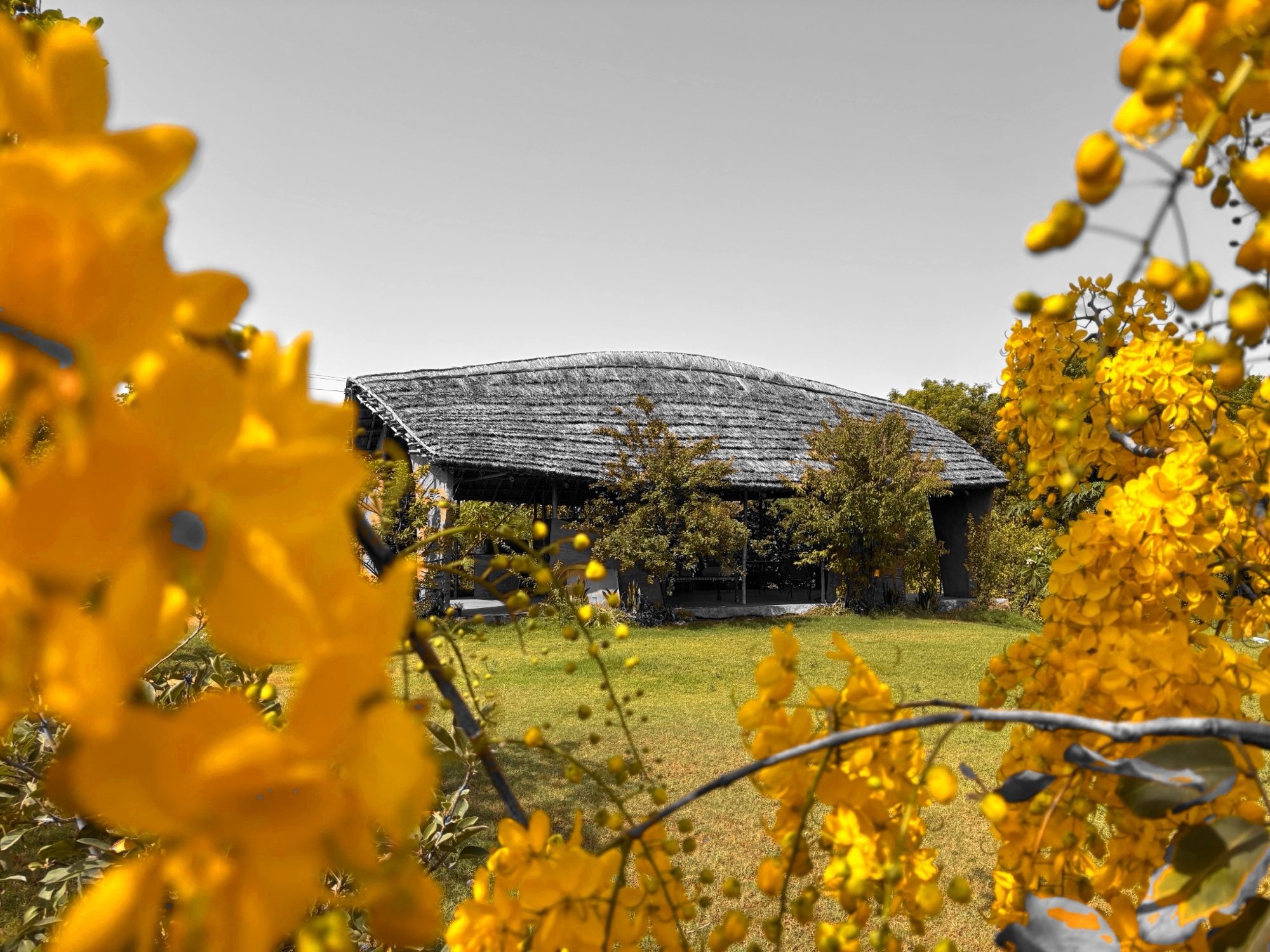
Farm School
An organic, experiential, deconstructed un'education Learning Lab. In practice: five acres, an hour and a half from Delhi, and a farm that has to actually produce or the lesson is wrong.
What we do
A learning lab on five acres. Day visits, short courses, internships and stays.
What it sets out to do
Teach somewhere the lesson can be wrong
Compost that fails and hives that empty are part of what a student sees here. No exhibit can offer that, which is the whole reason this is a farm and not a centre.
One day should still leave a mark
For the shortest visit the target is small and physical: something a person did themselves and can still describe a month later.
Trust the long stays with something real
An internship is meant to end with a person running part of this place unsupervised. If it ends in a certificate, it was a longer day visit.
Feed the farm to itself
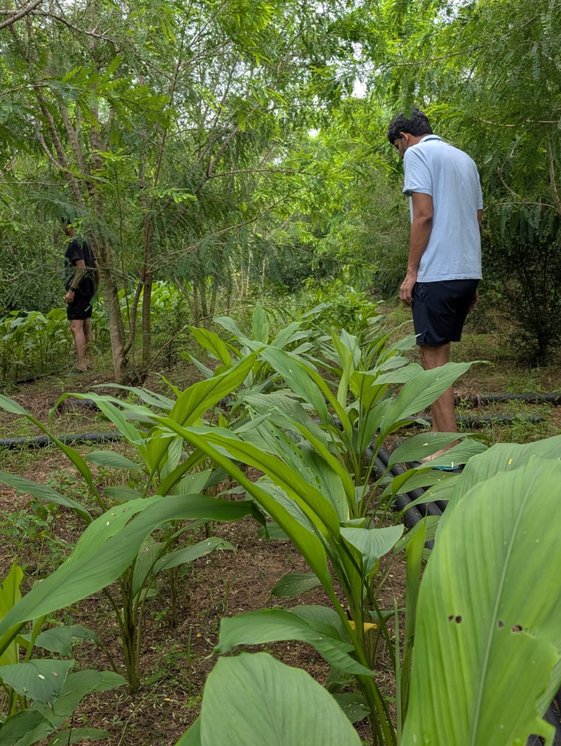
Leaves into soil, flowers into honey, rain into groundwater. The aim is that the teaching material is what the place produces and what it throws away.
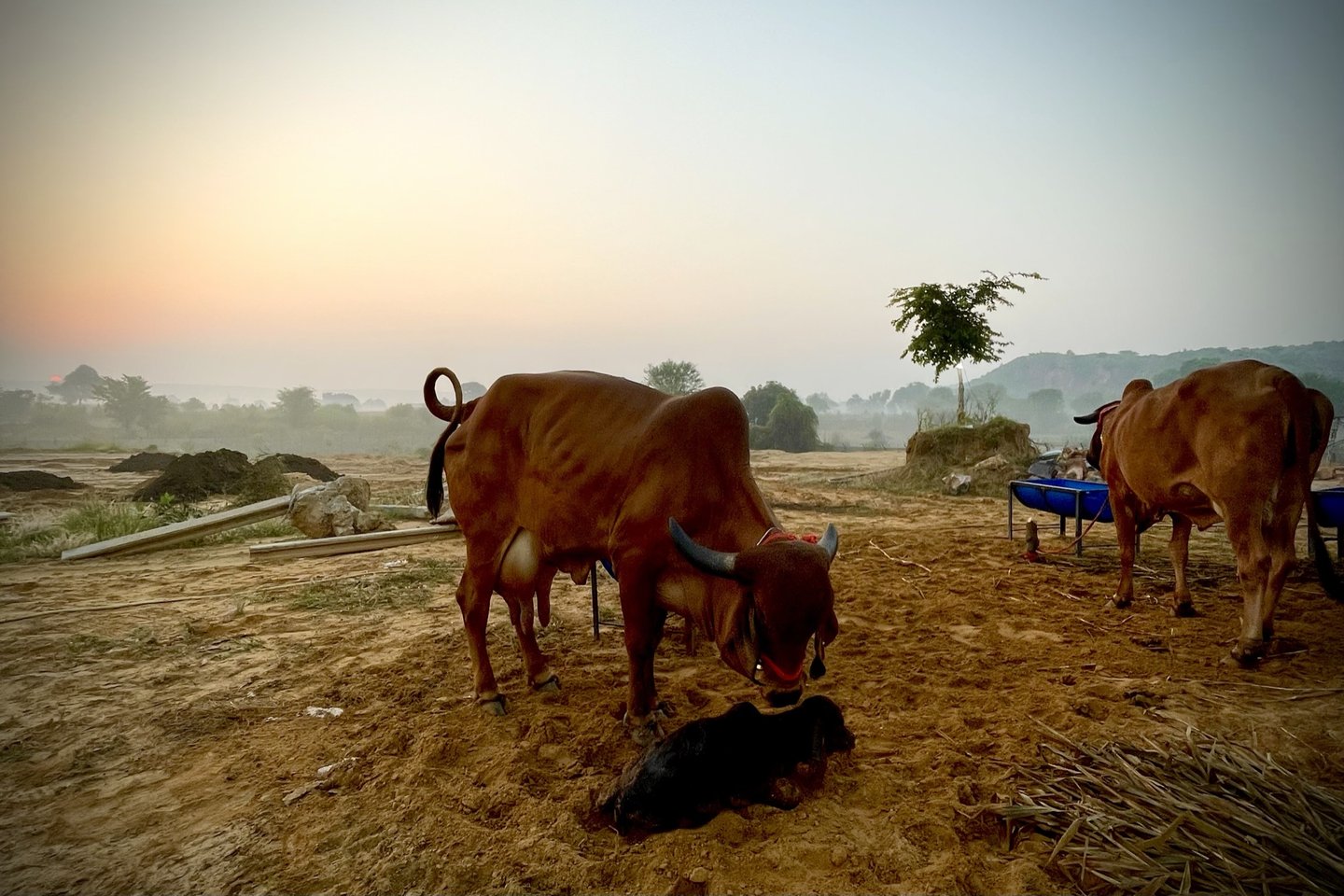
A farm that stops producing stops teaching.
The apiary, the compost and the water works are not exhibits. They are the syllabus, and they are allowed to fail.
Strategy and activities
The classroom is a working farm
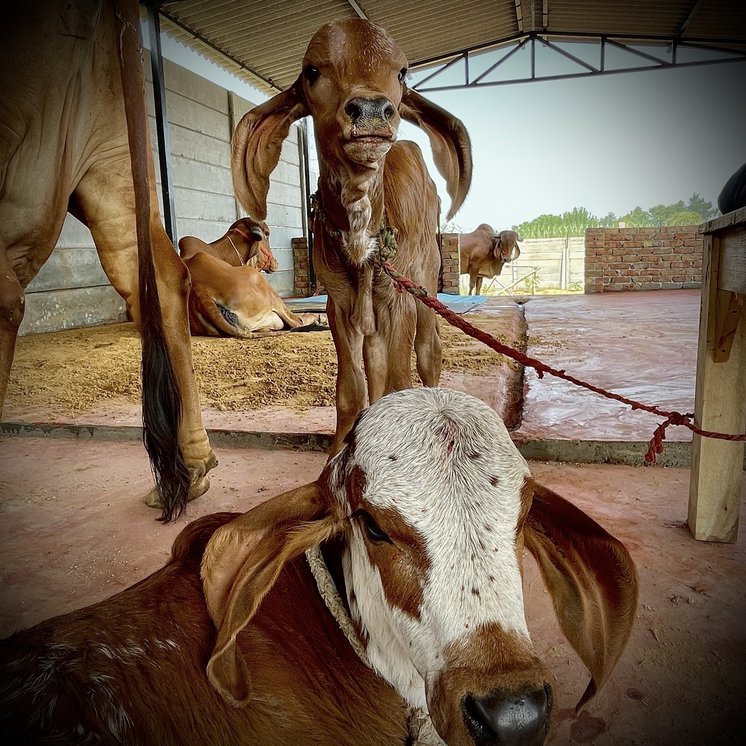
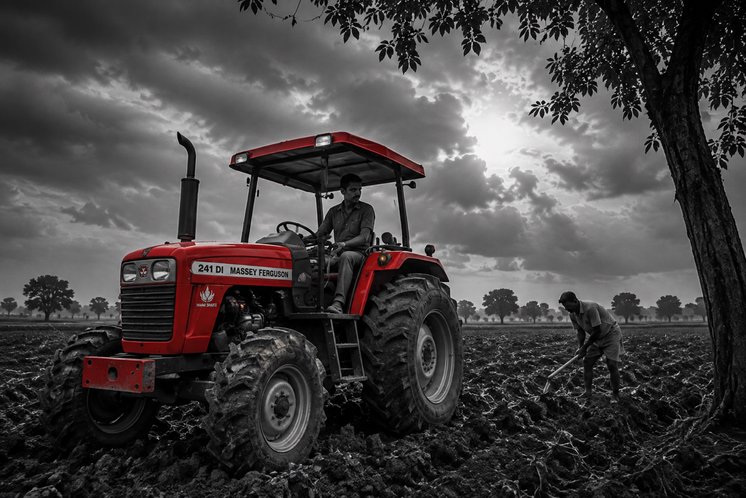
Permaculture and soil regeneration, solar, an apiary, a dairy prototype. None of it is a demonstration model. If it stops producing, the lesson stops being true.
Ninety minutes from Delhi
Close enough to reach on a school morning. Far enough that by lunch the city has stopped being the thing everything is measured against.
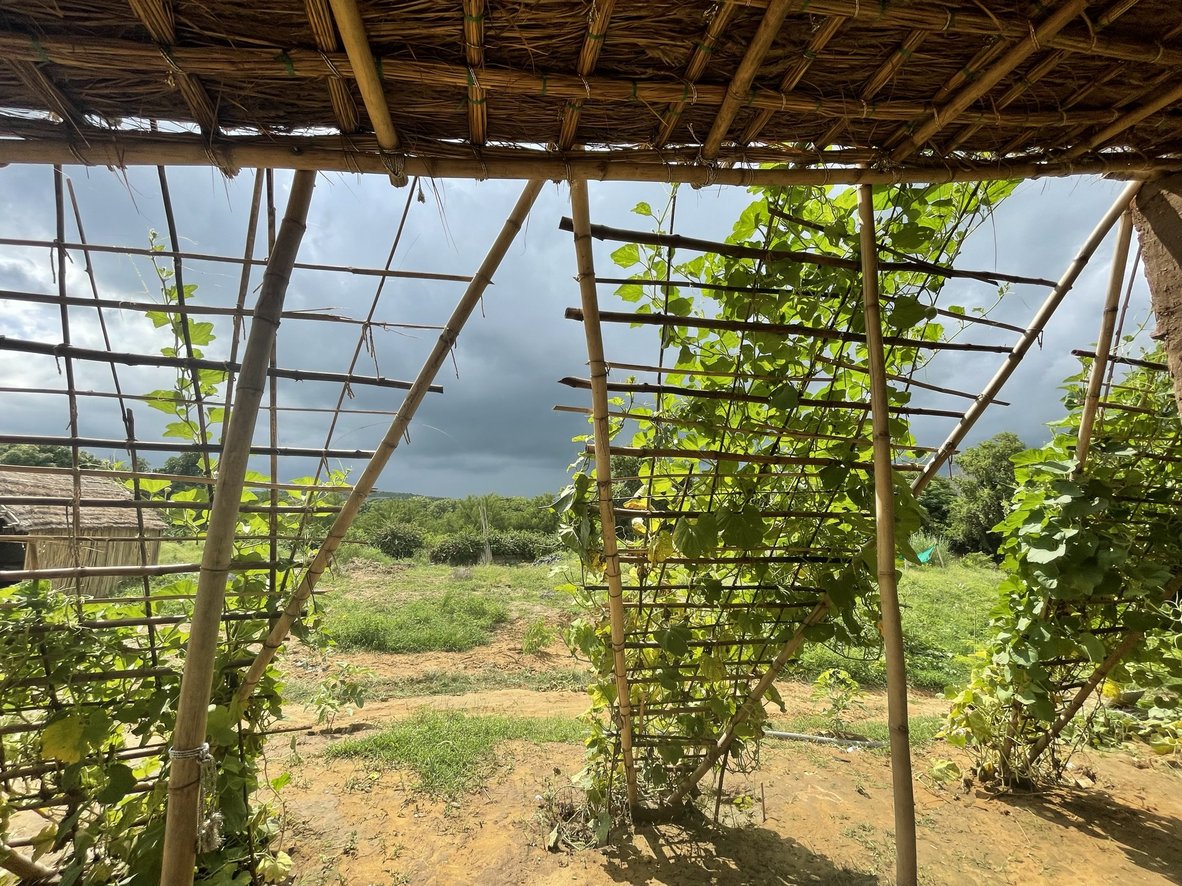
A day visit
A bus and a packed lunch. One thing done with your hands, ninety minutes out, and back by evening. It is the widest door and the one most people come through.
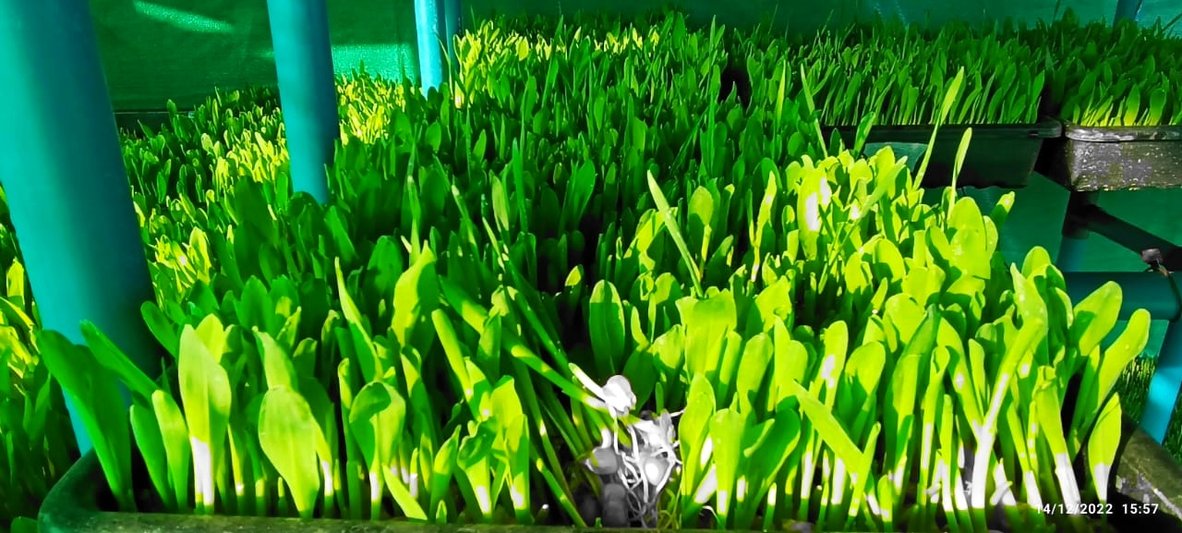
Short courses, and the five C's
Connection, creativity, confidence, cognition, cycle. That is the course frame, and it is deliberately not a syllabus: the farm sets the week and the week sets the lesson.
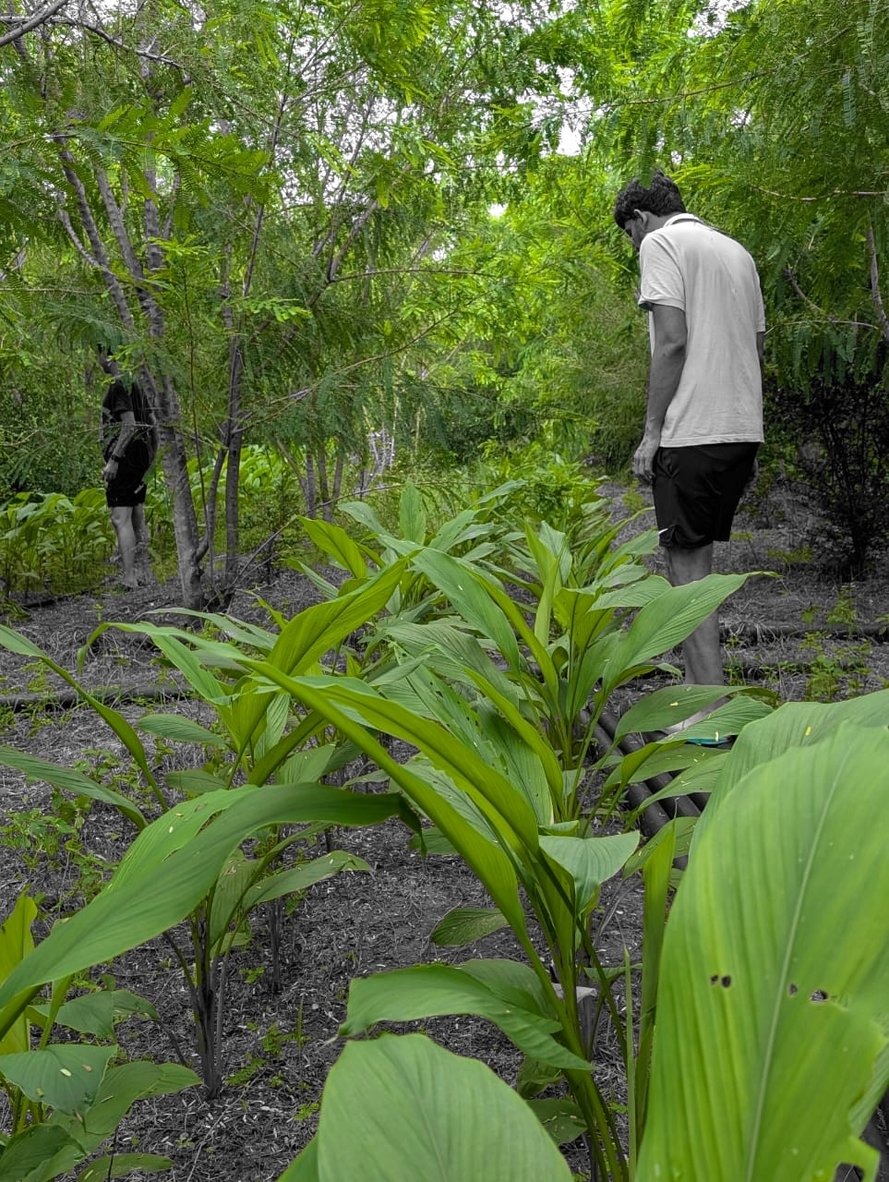
Internships and stays
The stay is weeks rather than hours, and the difference shows up in what a person is trusted to do by the end of it.
Who it is for
School groups on a day out
A bus, a morning and a working farm.
Educators
Teachers and facilitators come for the short courses, which is the part of this that travels back into a classroom we never see.
Interns and long stays
People who want weeks rather than hours and are willing to be given a job. What they are trusted with by the end is the measure of it.
Rooms of adults who need the city to stop being the reference point
Team meetings and retreats happen here too. The farm does not distinguish much between a school group and a board, and neither do the chores.
What it adds up to
30
School groups a year
annual, current
5,000 kg
Dead leaves composted into soil on site
500 kg
Honey from the apiary
Five thousand kilos of leaves, turned into soil
Around 5,000 kg of dead leaves composted on site — the farm's own waste stream, closed on the farm.
Five hundred kilos of honey
From the apiary, which is also the part of the farm that teaches the most about what a monoculture costs, without anybody having to say the word.
What it looks like
Farm School
Get involved
Come for a day
Straight to a person
This goes to Vimlendu Jha, Swechha’s Executive Director.
Or write to vimlendu@swechha.in.
Fund this work
Straight to a person
This goes to Vimlendu Jha, Swechha’s Executive Director.
Or write to vimlendu@swechha.in.
Read first: How to read environmental data
A day visit is the shortest way to find out whether this is a place your school should keep coming back to.
Projects
Bridge the Gap
A module-based curriculum on land, water and air — five to sixteen sessions, plus exposure trips and action projects.
3M+ children and young people reached
Projects
Eco Action
Over 70 butterfly parks and over 20 herb gardens across Delhi NCR.
70+ butterfly parks across delhi ncr
The evidence
Swechha Farm
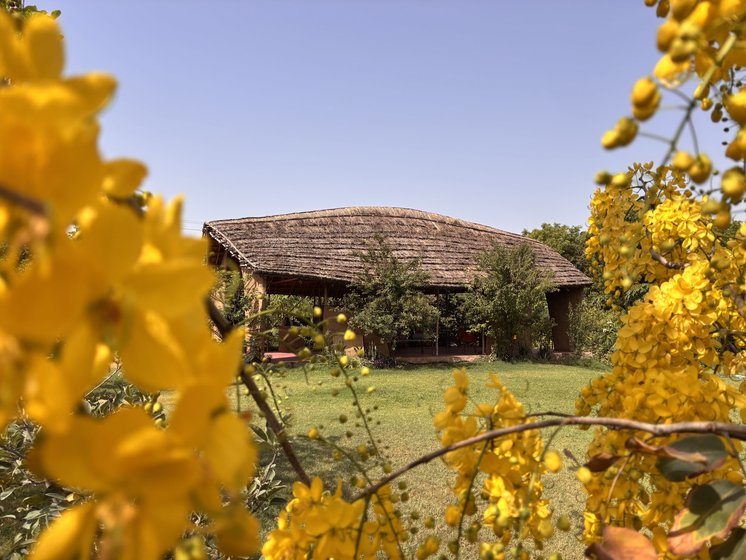
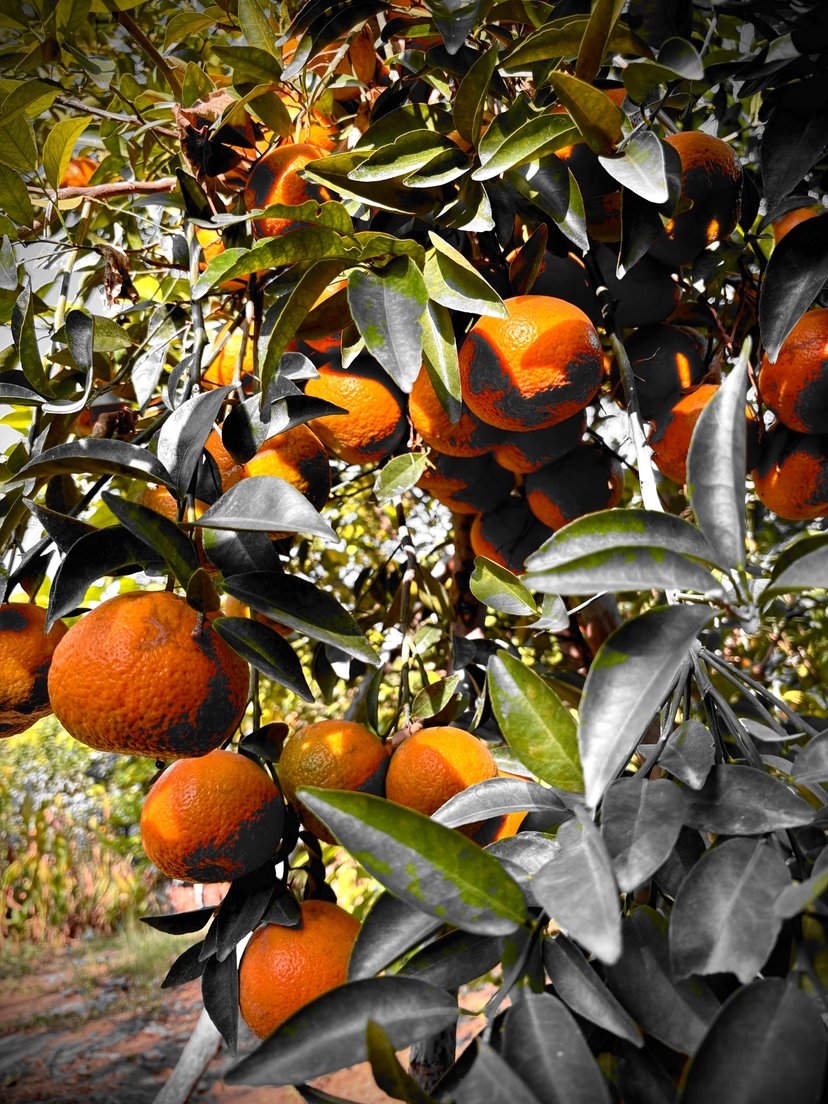
The five acres this happens on. The composting, the nursery and the apiary are the teaching material, and they have to actually produce.
Five acres, ninety minutes out