
We keep the record
Every reading against its published limit
Swechha — an Indian environmental organisation. Delhi, since 2000.Swechha. Environmental. Delhi. Since 2000.
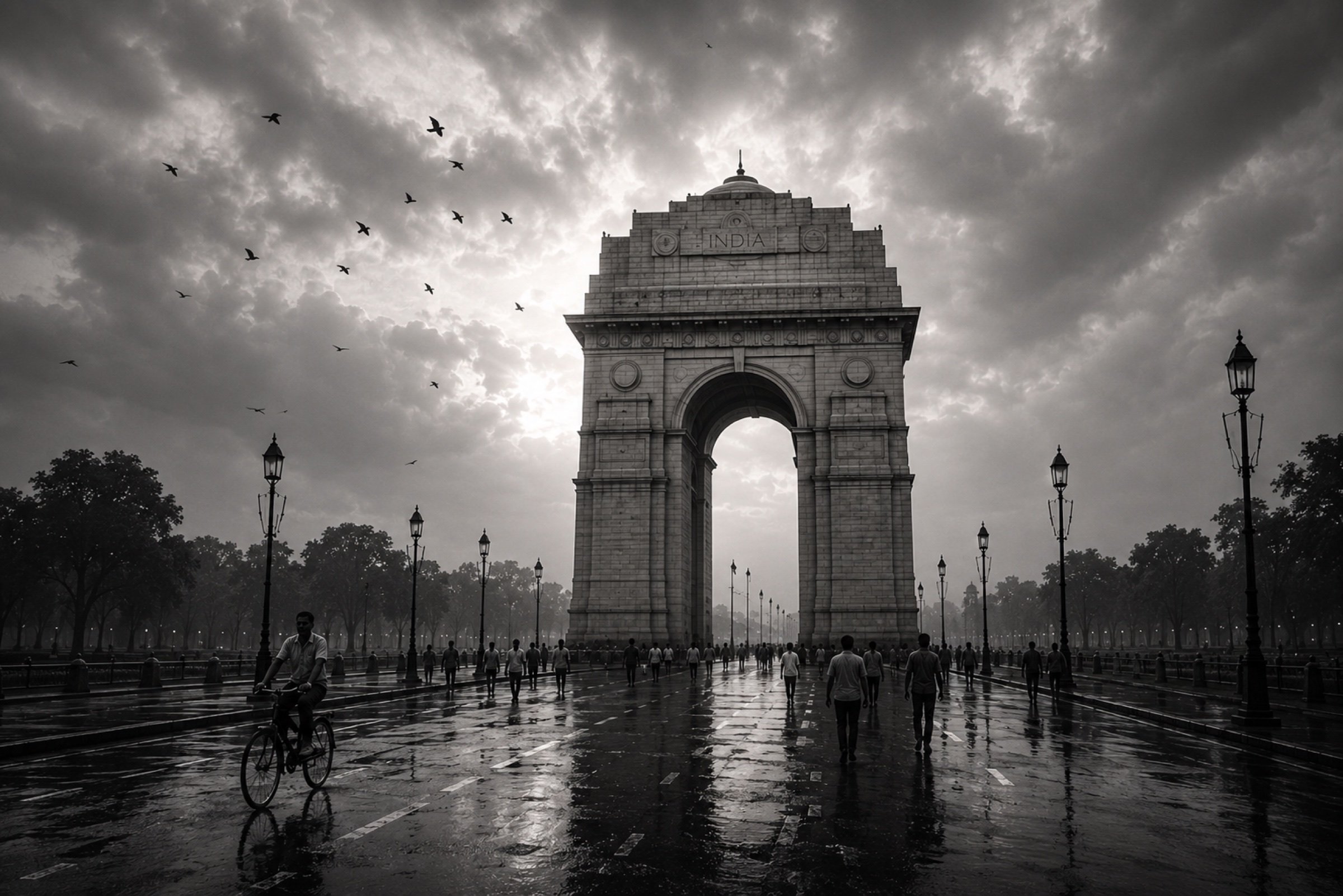
Delhi-NCR / Air quality index
AQI, 24-hour rolling4.1× the limit
Delhi-NCR / Air quality index
Severe
4.1 times the limit the Central Pollution Control Board sets for a safe day.
CPCB continuous monitor, Anand Vihar. Hourly. Observed 13:00 IST, 24 August 2026.
Year round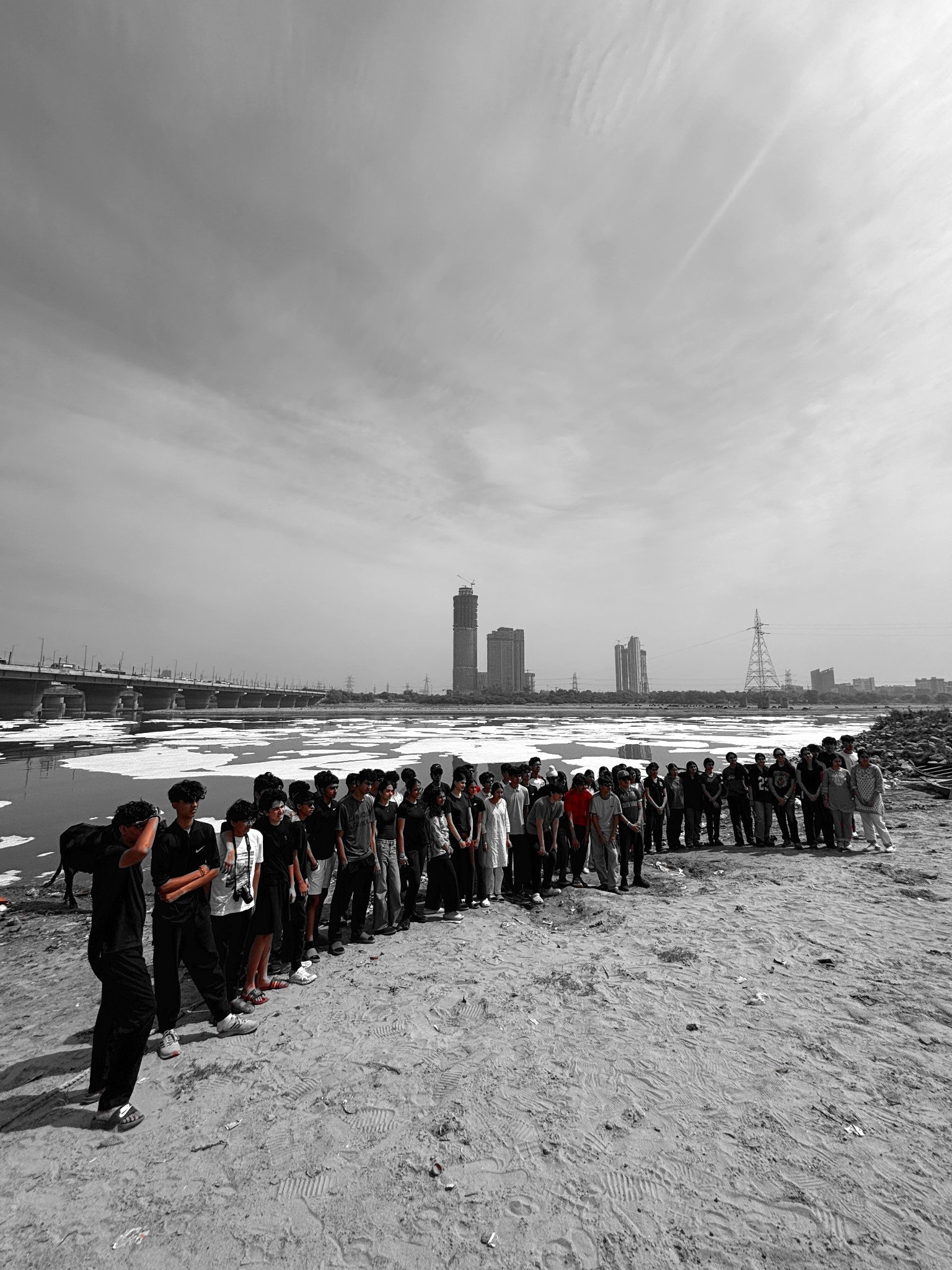
Yamuna at Nizamuddin / Dissolved oxygen
milligrams per litreYamuna at Nizamuddin / Dissolved oxygen
Nothing can breathe
The river enters Delhi alive and leaves it without oxygen. Twenty-two kilometres of it are inside the city, under two per cent of its length, and they carry most of its pollution load.
DPCC monthly grab sample, Yamuna monitoring round. Monthly. Last drawn 4 August 2026.
Year round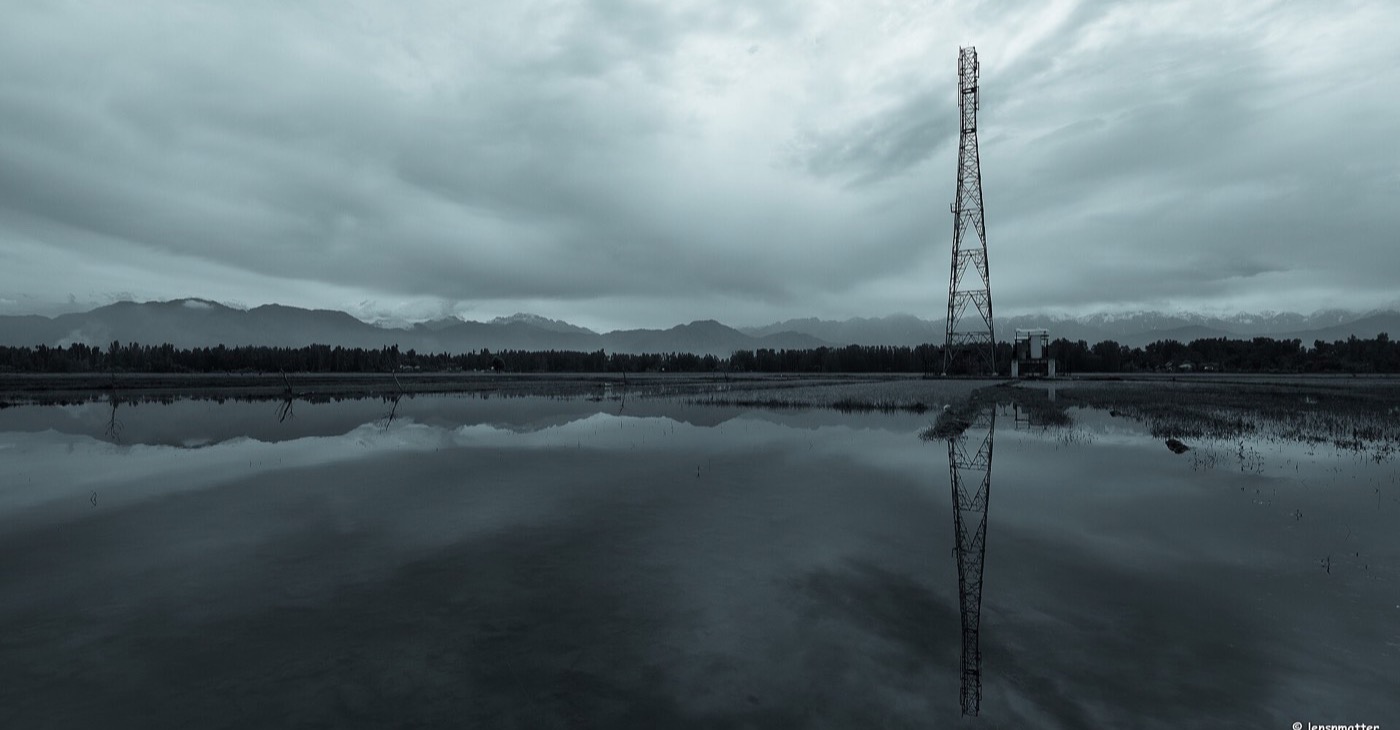
Delhi / Rainfall, season to date
millimetres since 1 JuneDelhi / Rainfall, season to date
Above normal
Above normal is not the same as illegal. What floods the drains is a single day above 100mm, and there have been two.
India Meteorological Department, season accumulation. Daily. Updated 19 August 2026.
In window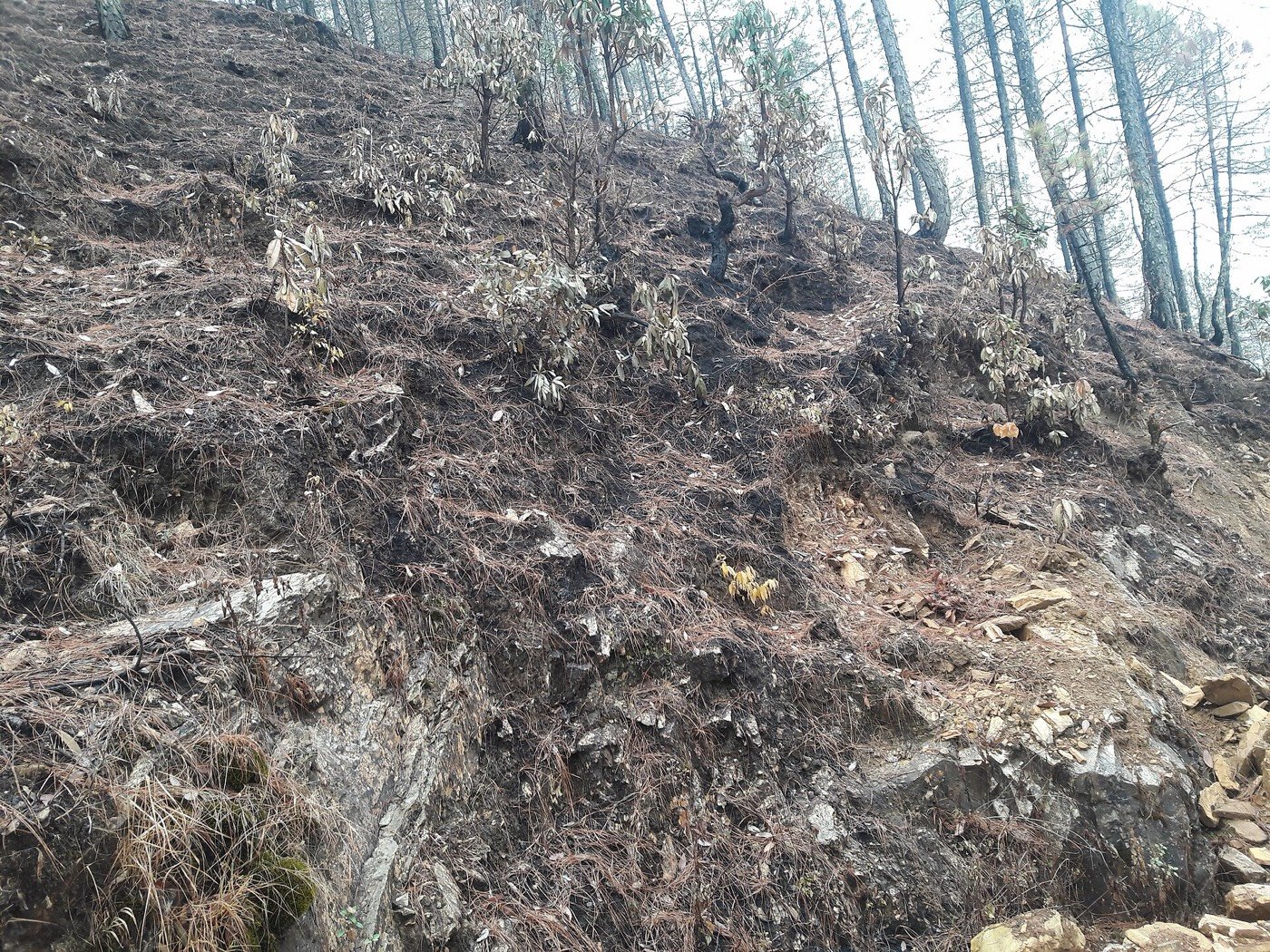
North India / Active fire detections
thermal detections, 5 daysNorth India / Active fire detections
Below season
A detection is a thermal anomaly, not a confirmed fire. In Punjab and Haryana in October it is very often crop residue rather than forest.
NASA FIRMS, VIIRS 375m active fire product. Twice daily. Committed reading.
Year roundDelhi, then India.
Five in window · one record
Each reading is dated on its own page.
A number
is not
a smell
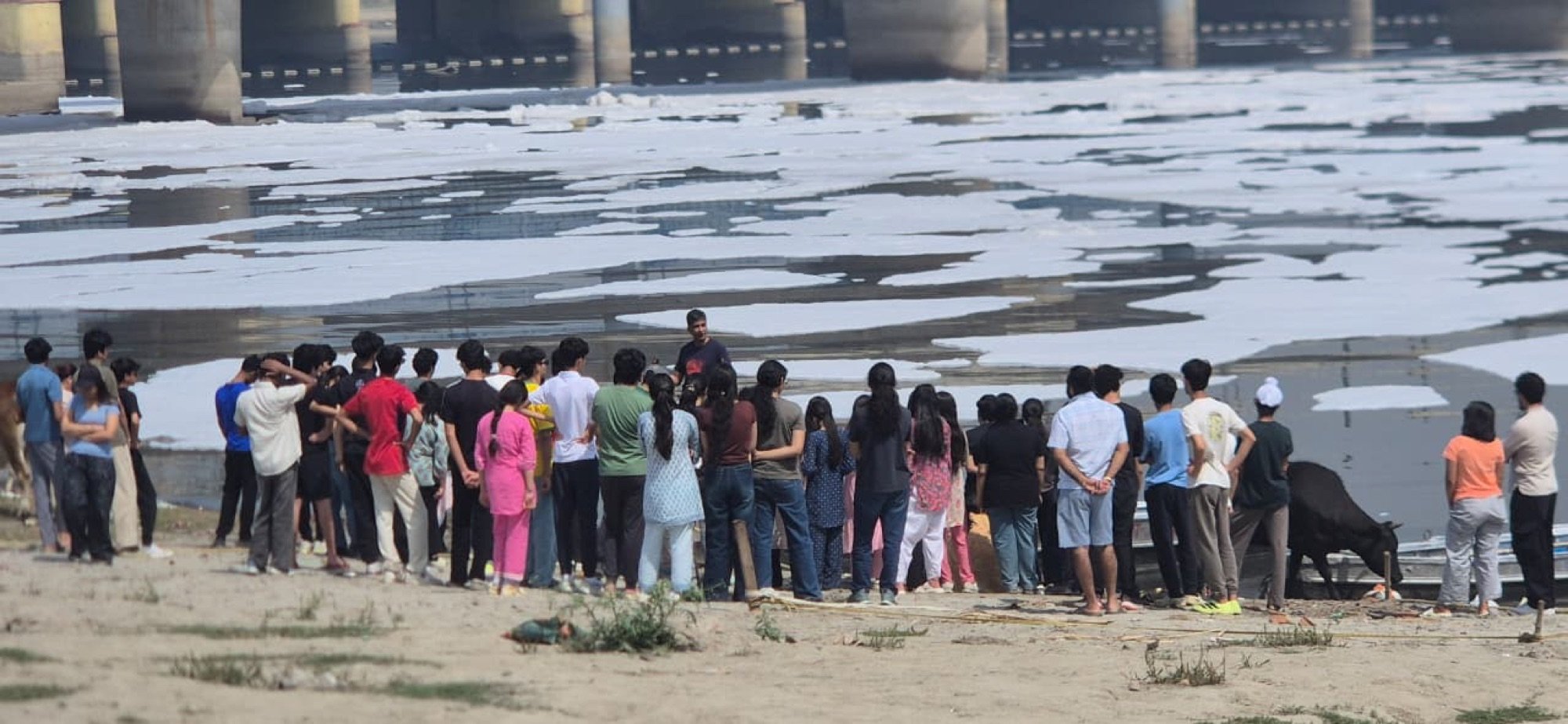
So we take them to the water.
What we do
Four kinds of work. Not four departments.
Journeys
Go and see
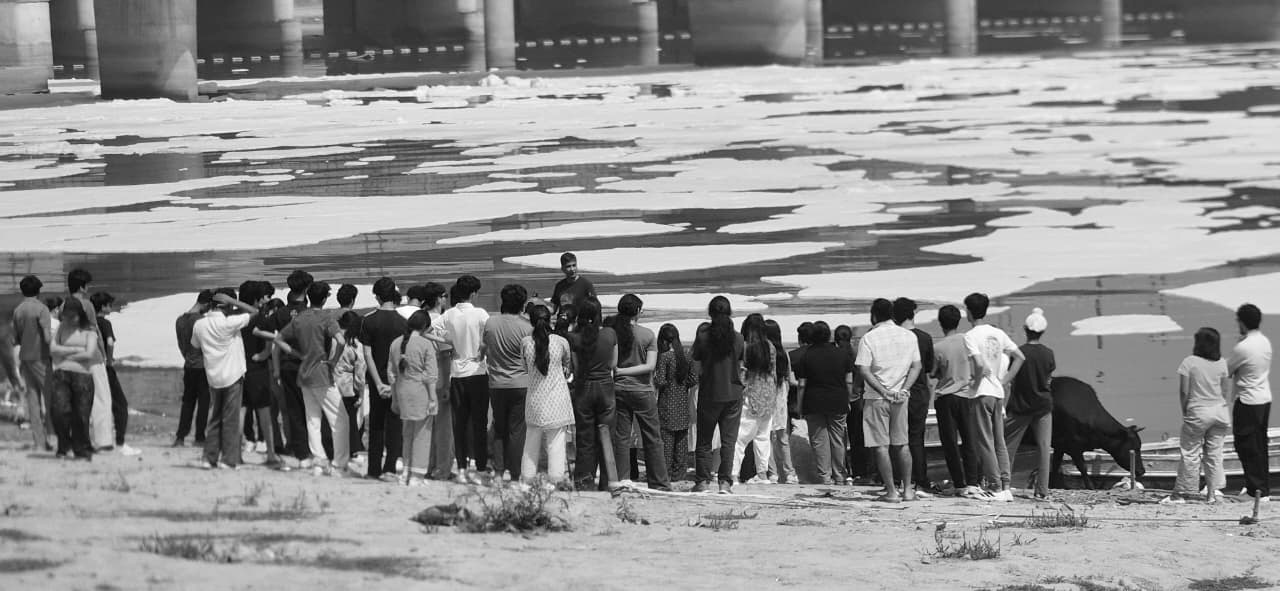
You cannot teach a river from a photograph. So we go — two hours into a landfill, a few days into a forest, most of a week in a village, twelve days from Yamunotri to Agra. A journey is the part of the argument that has to be walked.
Yamuna Yatra
Over thirty Yatras since 2004, and more than three thousand youth leaders. One school made it part of its Grade XI year. 4–5days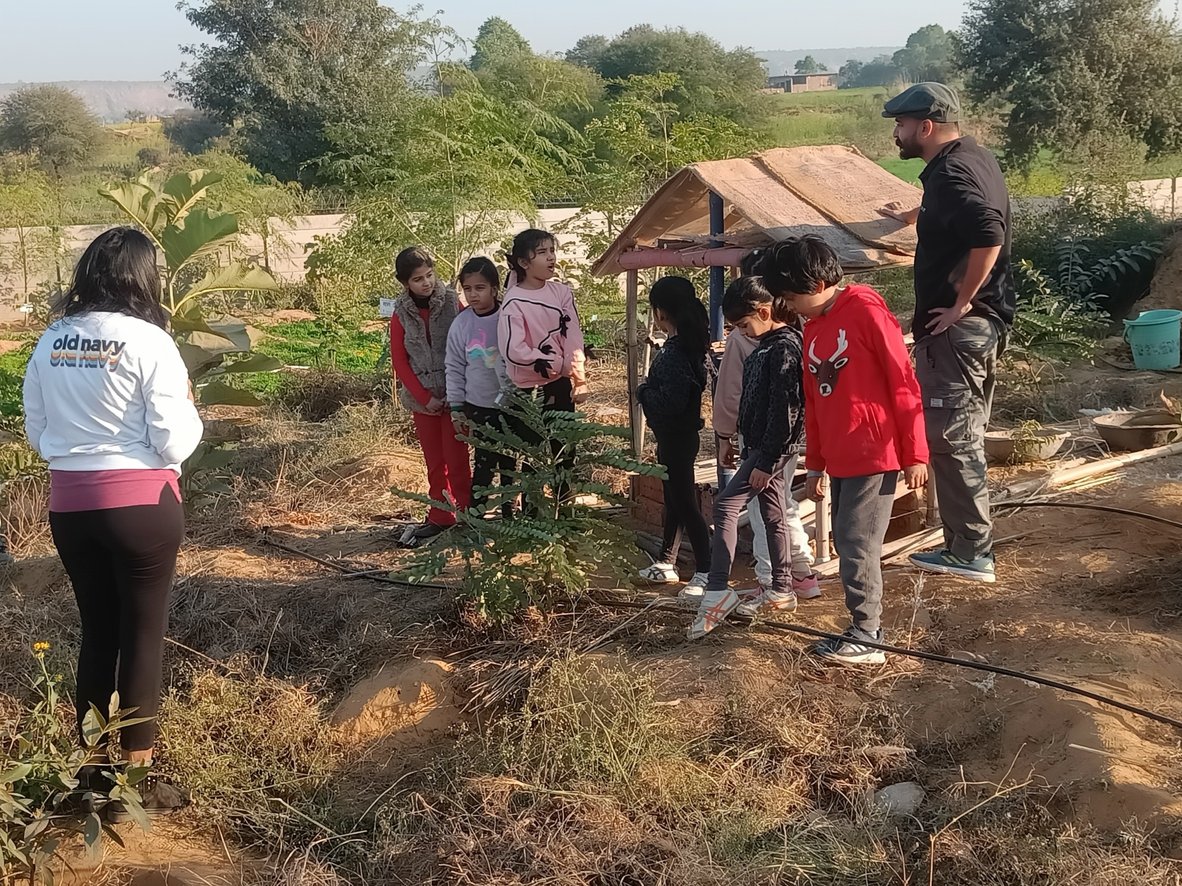
Gram Anubhav
More than sixty of them, run with over a hundred grassroots partners in the villages themselves. 2–5days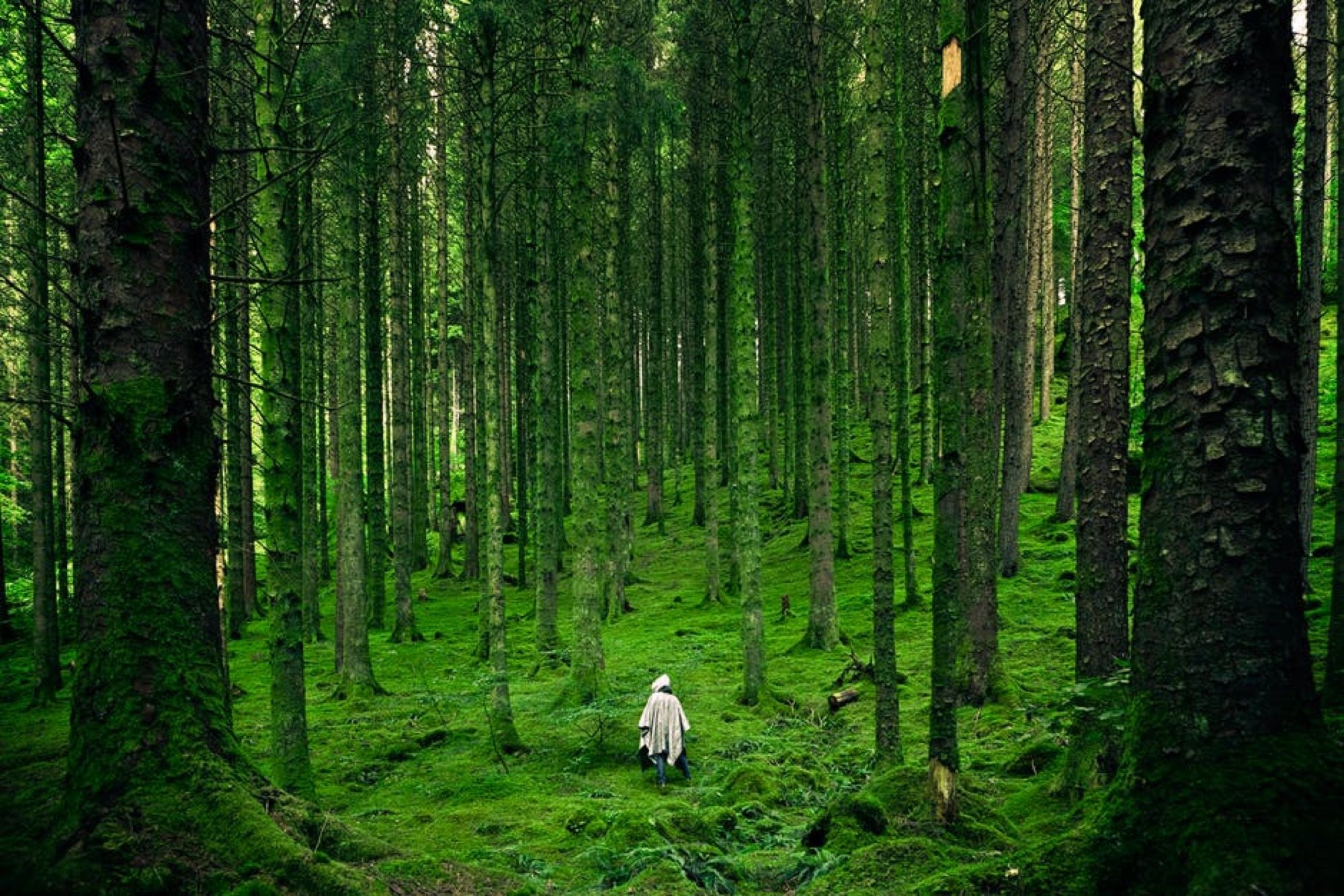
NatureScapes
Over sixty organised, for schools including Shriram and Modern. 2–4hours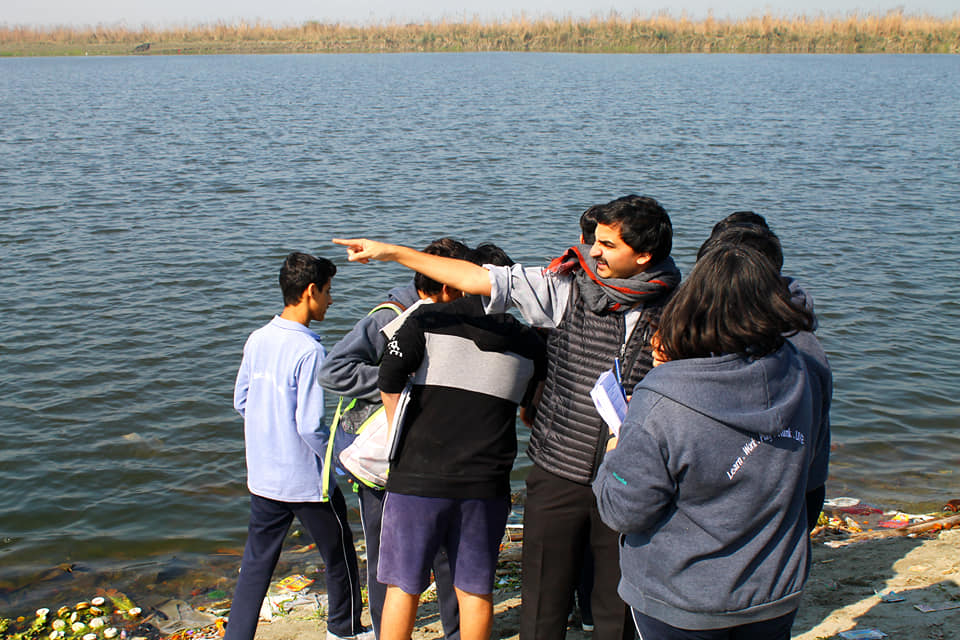
CityScapes
Over a thousand walks in two decades, and over a hundred thousand people on them.Projects
What is running
In the order they take up our week.
-
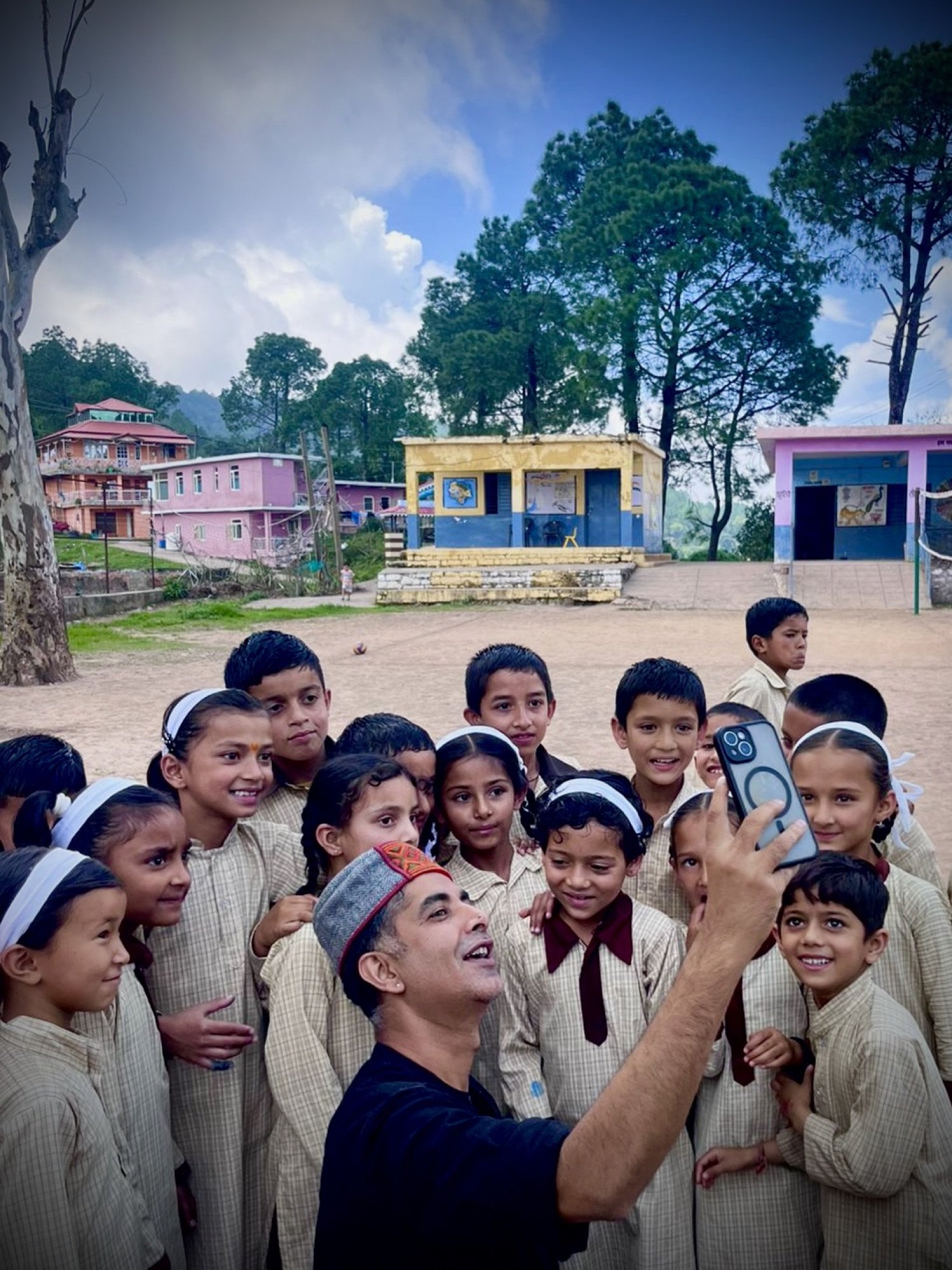
Farm School
A learning lab on five acres. Day visits, short courses, internships and stays.
-
Eco Action
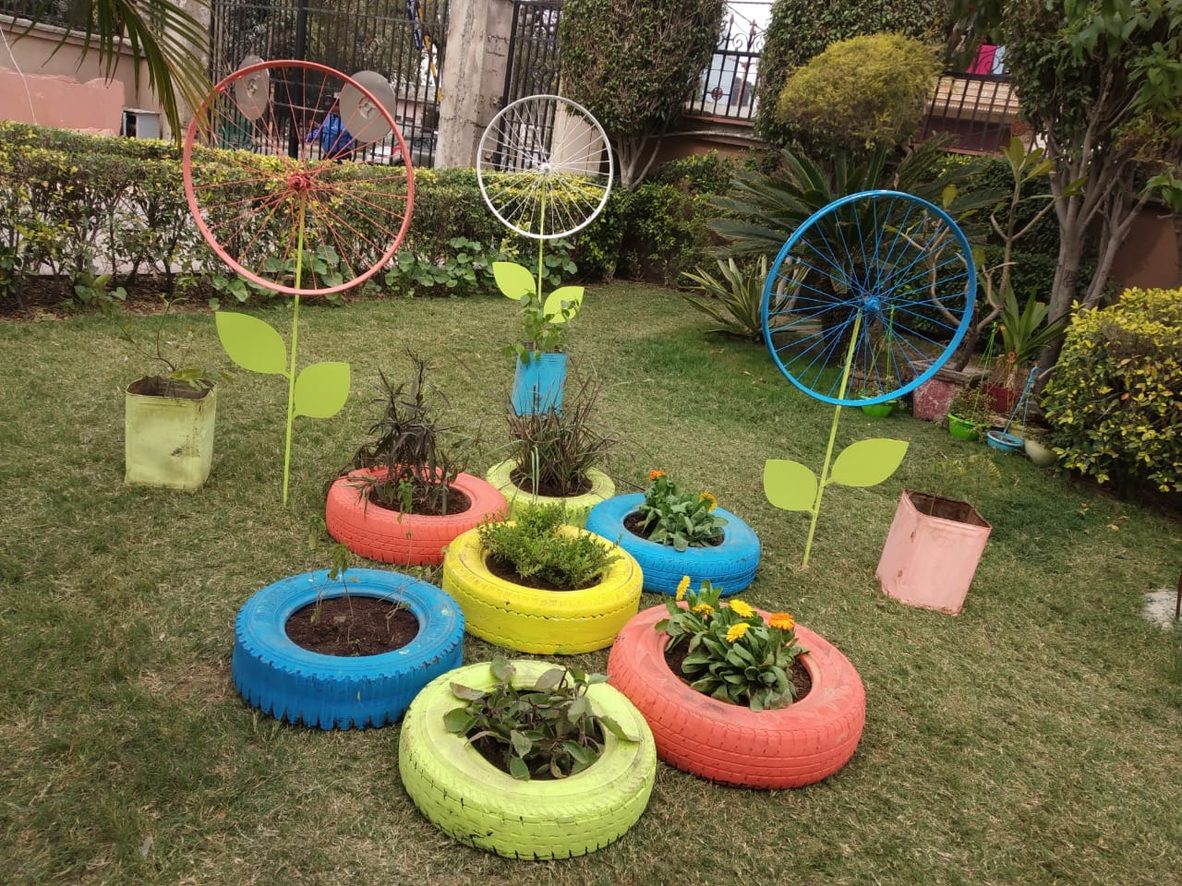
Over 70 butterfly parks and over 20 herb gardens across Delhi NCR.
-
ME to WE
Over 3,000 girls and boys in thirteen years. Over 200 came back as peer leaders.
-
Influence
Volunteering and a fellowship, nationwide. Ten thousand volunteers a year, and over 300 youth groups.
-
She Leads Change
With EMpower: over 50 adolescent girls from Jagdamba, on agency and decision-making, since 2017.
-
Food systems, with UNEP
Curriculum and action projects on food and sustainability, in Delhi NCR government schools.
- More projects
Campaigns · Events
In public
A campaign pushes. An event invites.
-
We for Yamuna
-
50,000+ trees planted and survived
Monsoon Wooding
-
Delhi I Can’t See You
- More campaigns
Events, on the record
Yamunotsav Cyclothon Greenathon Yamuna Shramdaan and more
Every one of these has been run.
All the eventsAbout Swechha / Since 2000
Swechha means, roughly, of one’s own free will.
Who we are
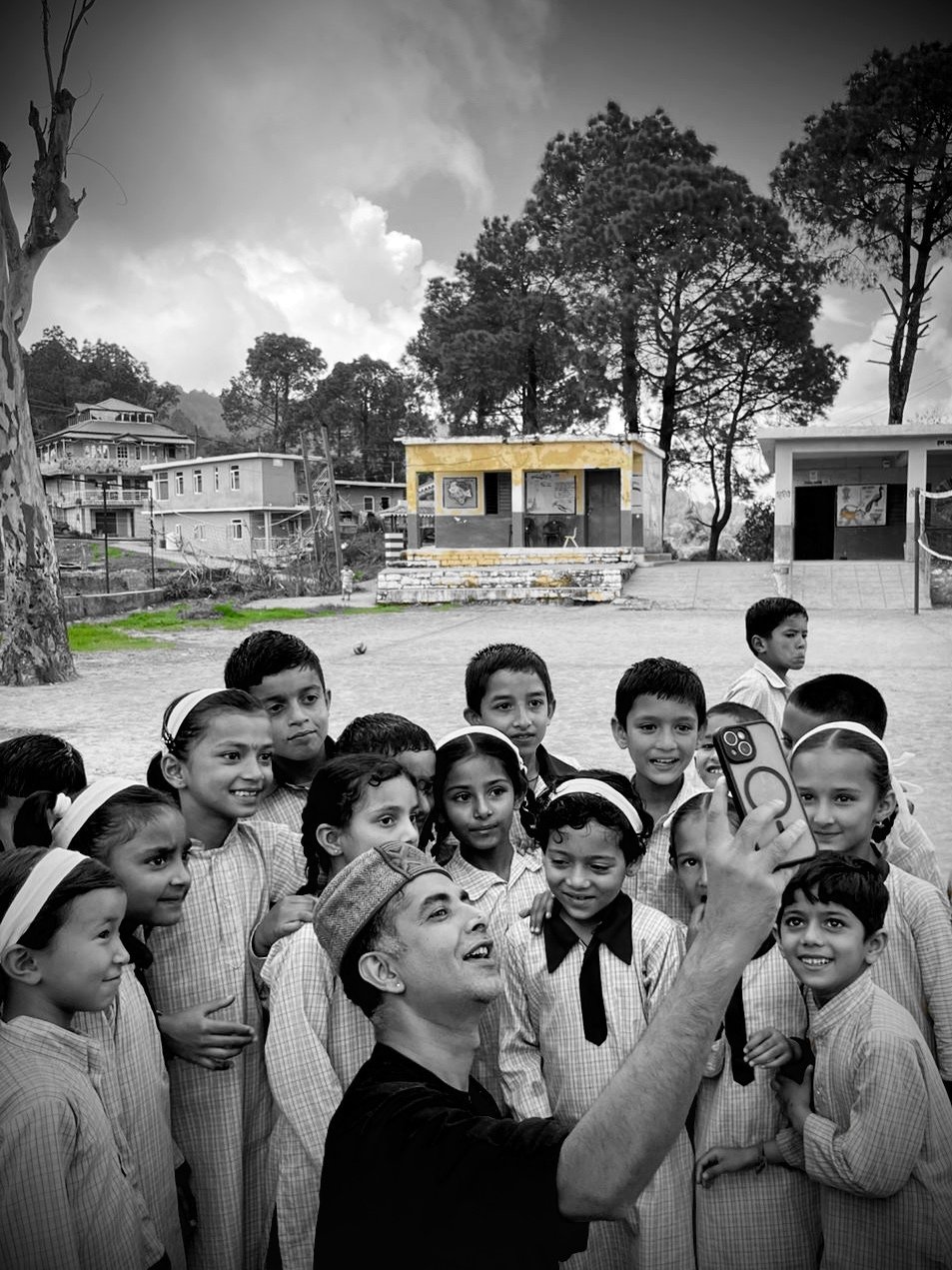
Swechha started in 2000 as We for Yamuna — a collective response towards growing apathy towards one of the most polluted rivers of the world. Since then it has been an organisation dedicated to enabling ourselves and others around us to Be the Change, in making a visible difference to the environment, both physical and social. The mission is one sentence: to inspire, create and support a just, equitable and sustainable society, for everyone and forever. Three words hold the work — Education. Environment. Enterprise.
-
2000
We for Yamuna. No funding, no office, one stretch of bank.
-
2004
The first Yamuna Yatra walks the river from Yamunotri to Agra.
-
2008
One of six stories on CNN’s Be the Change, reported weekly for a year.
-
2016
City to countryside. Land, water, livelihoods and the farm.
-
Now
Still showing up. A monitoring feed, and the records nobody else has.
Impact / What Swechha has done
Swechha’s own record.
Children and young people reached since 2000
Out of the Yamuna
Green cover, in one Vasant Kunj park, over a decade
Green infrastructures, across 100+ schools
Swechha Farm
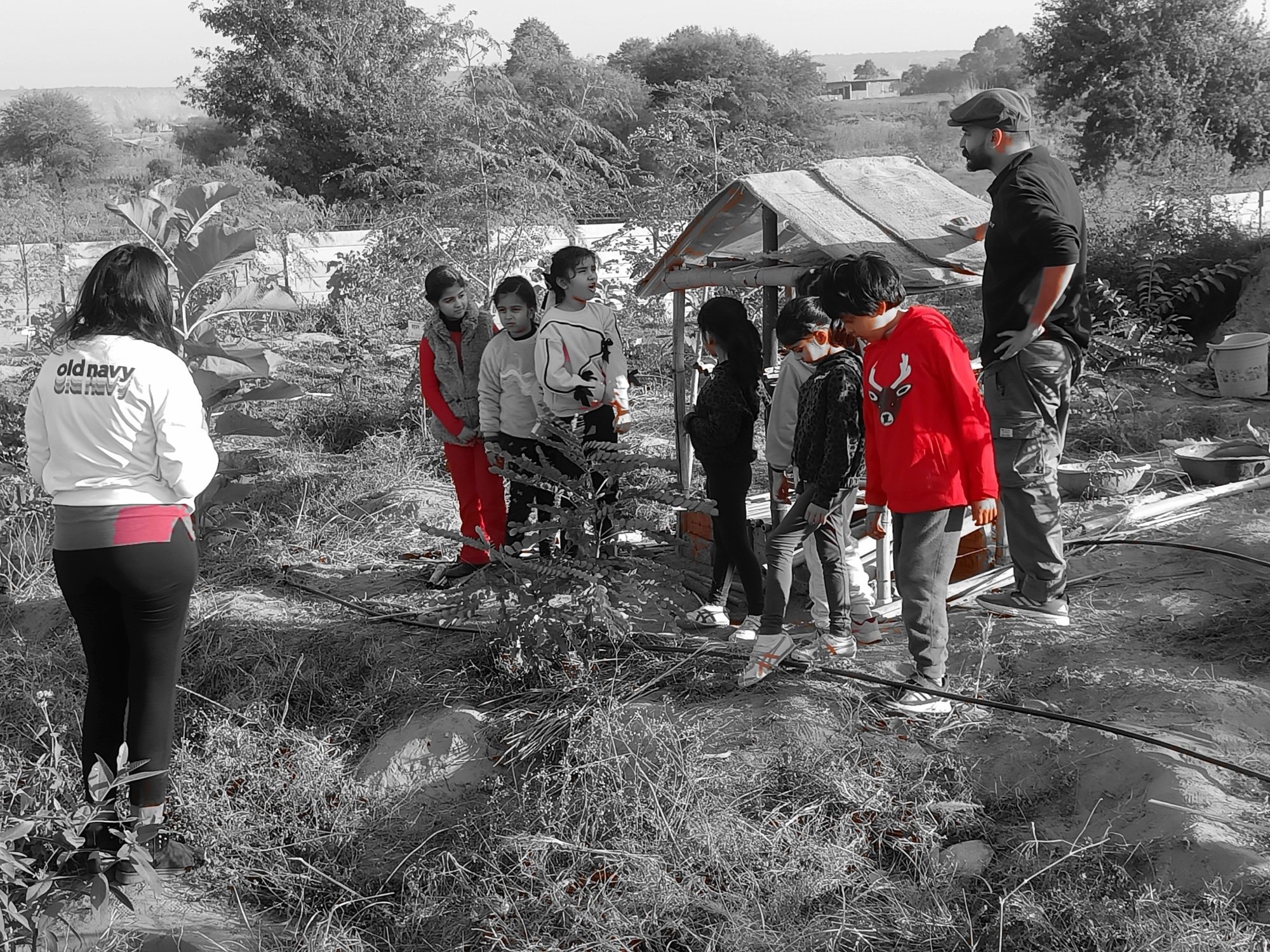
A real place, an hour and a half from Delhi
Nothing grew here. Five acres of barren ground is now a food forest and a working farm — and a classroom that school groups come to for a day, or stay in overnight.
What grows there now
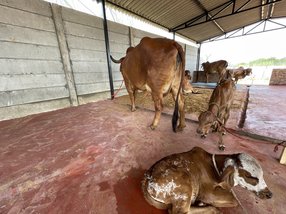
Over 5,000 trees · 20 cows · poultry · a native nursery of twenty thousand saplings · vermicompost · hydroponics · an apiary · a butterfly garden · organic farming · mud houses · permaculture prototypes
Acres
Minutes from Delhi
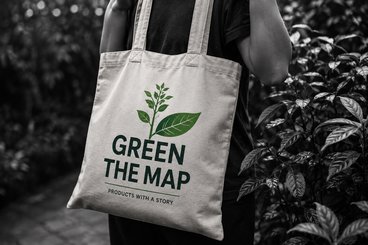
A different organisation
Green the Map
Upcycled goods made from what the clean-ups pull out. It has its own site, its own accounts and it pays its own way. It is not a Swechha programme.
Visit the shop (opens in a new tab)The record
Four things accumulate here whether or not anybody writes a post: the daily readings, the orders that follow them, the things you can do about them, and the paper since 2000.
Updated every hour
Today’s readings
Air, river, heat, fire and rainfall, each with its monitor and its hour. Every day’s readings keep their own address after they stop being today’s.
9,400 days on file since 2000
Every source named
Where the readings come from
Every source behind the readings, with its cadence, the date it was last drawn, and whether it is running.
Nothing here is unsourced
Evergreen
Do it yourself
Compost, a balcony air-detox garden, a school waste audit, a river walk you can run without us. Written to be used, not to be admired.
The paper archive, digitised in public
7/27years scanned
2026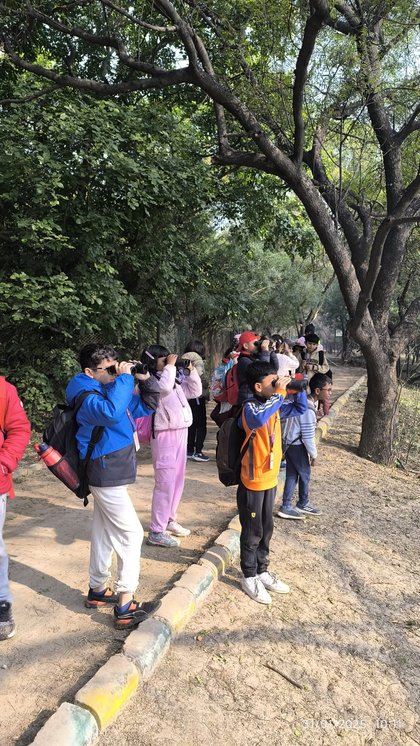 20252024
 2023
2023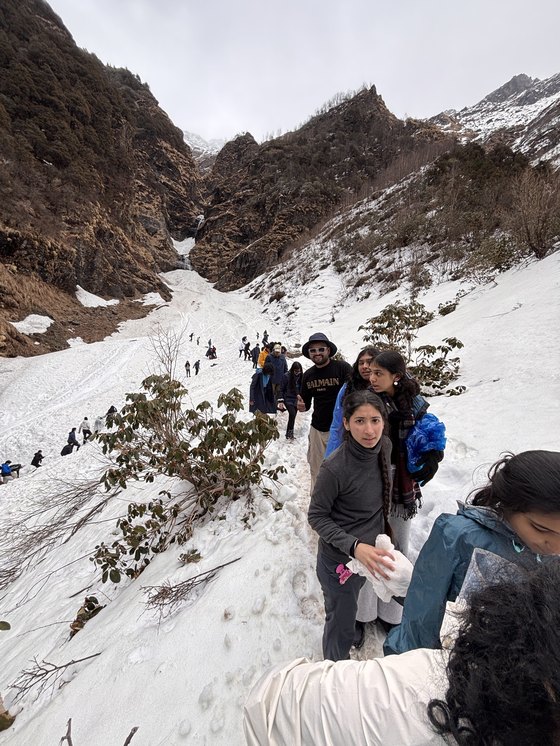 2022
2022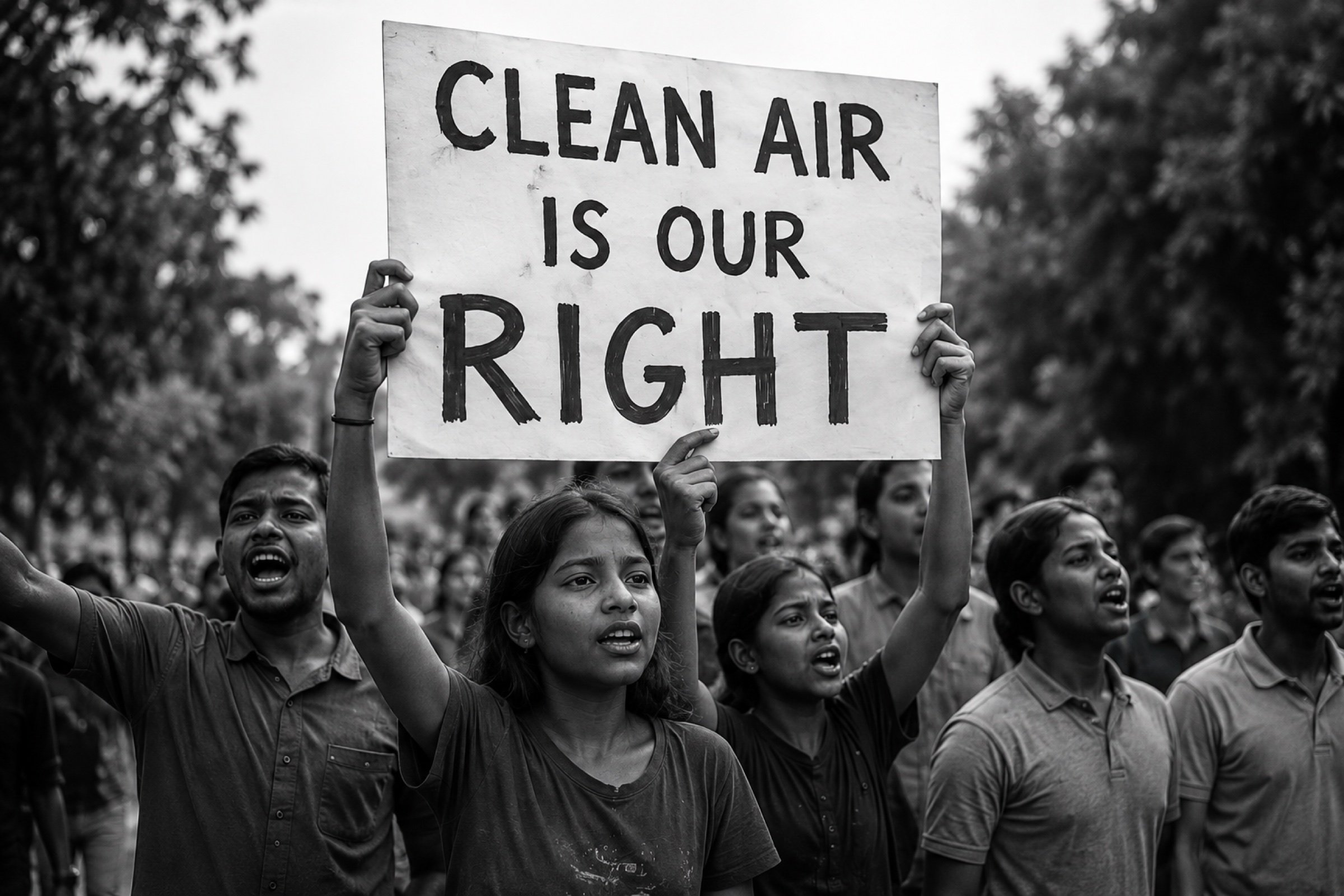 2021
2021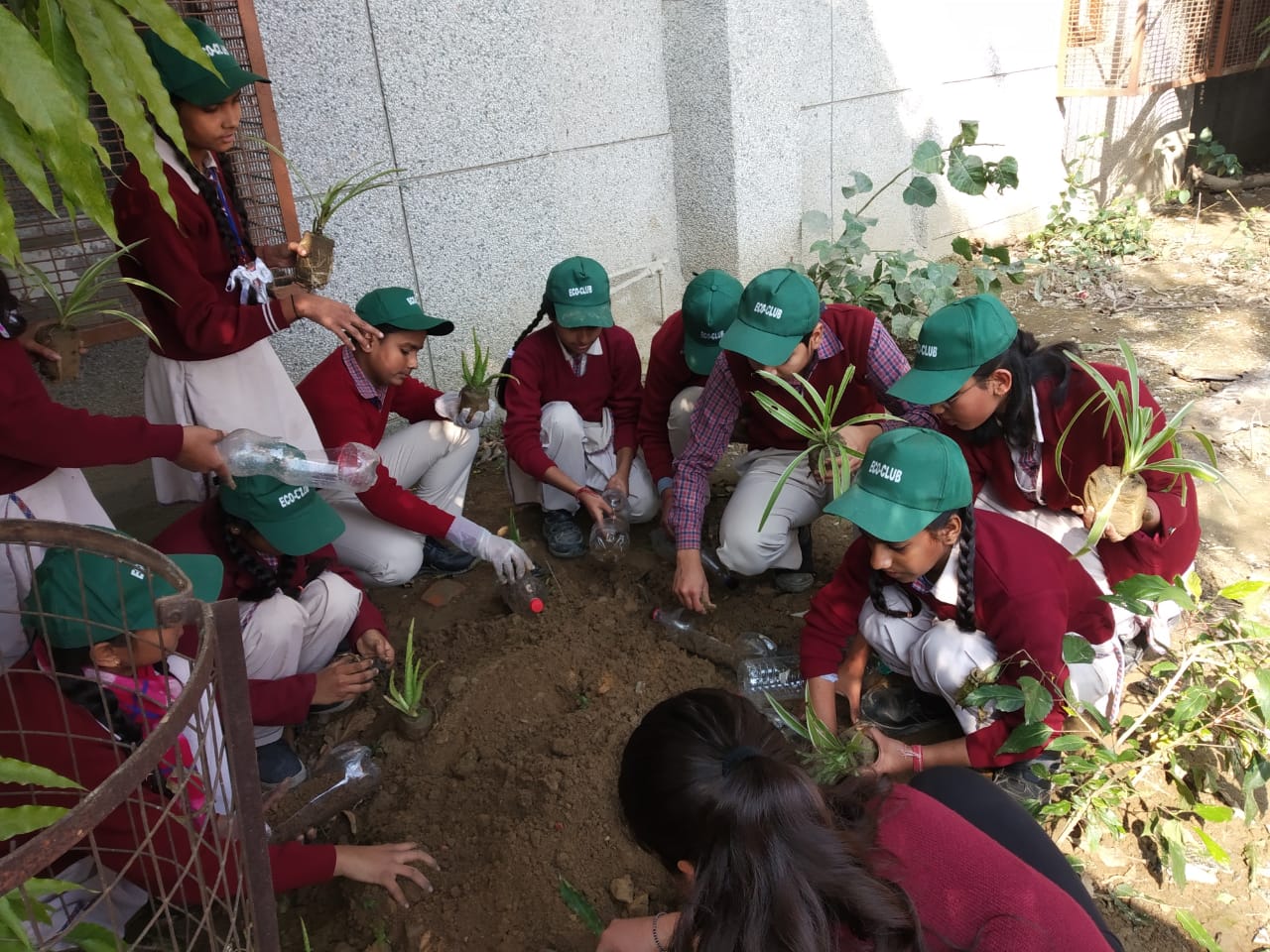 2020
2020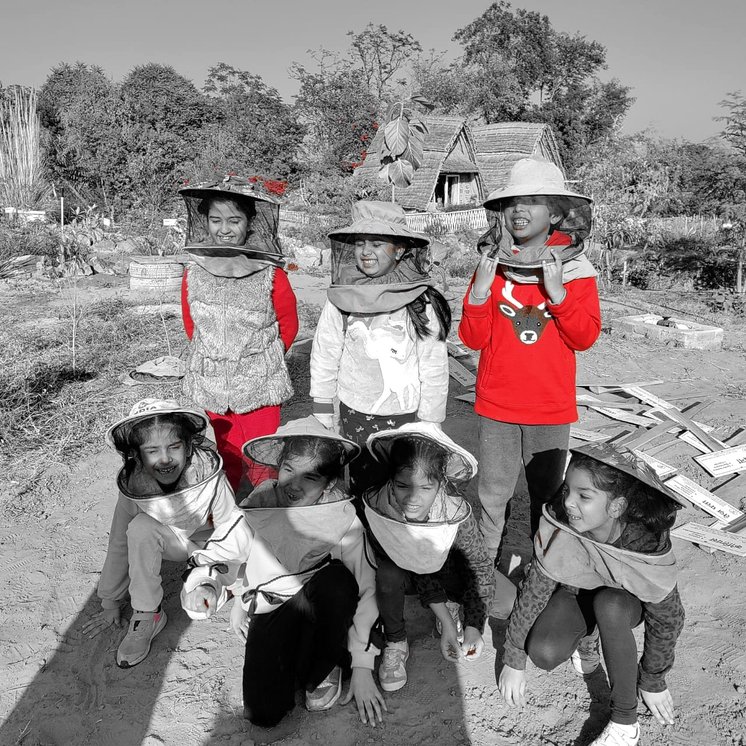 2019
2019 2018
2018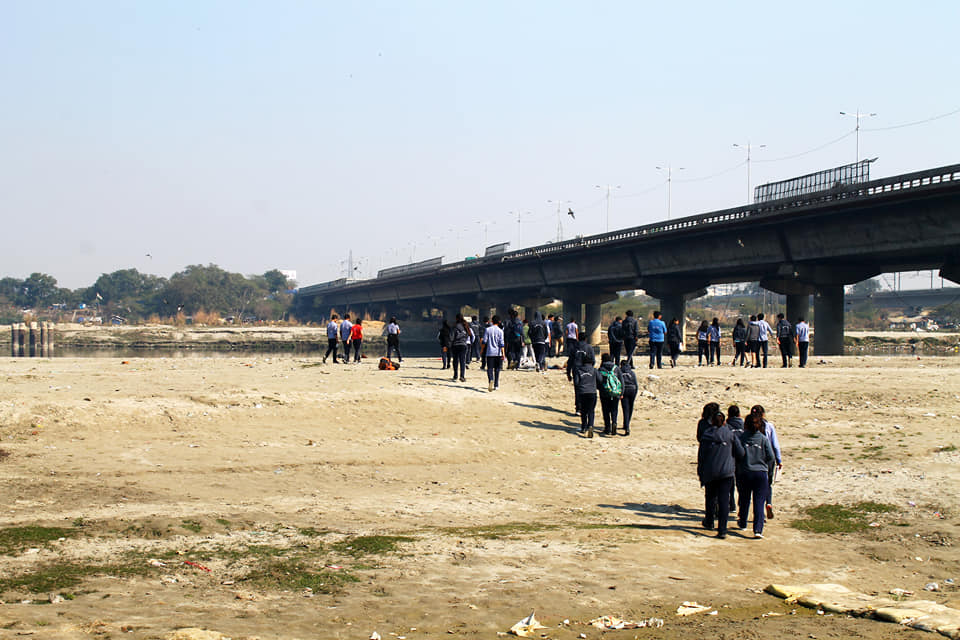 2017
2017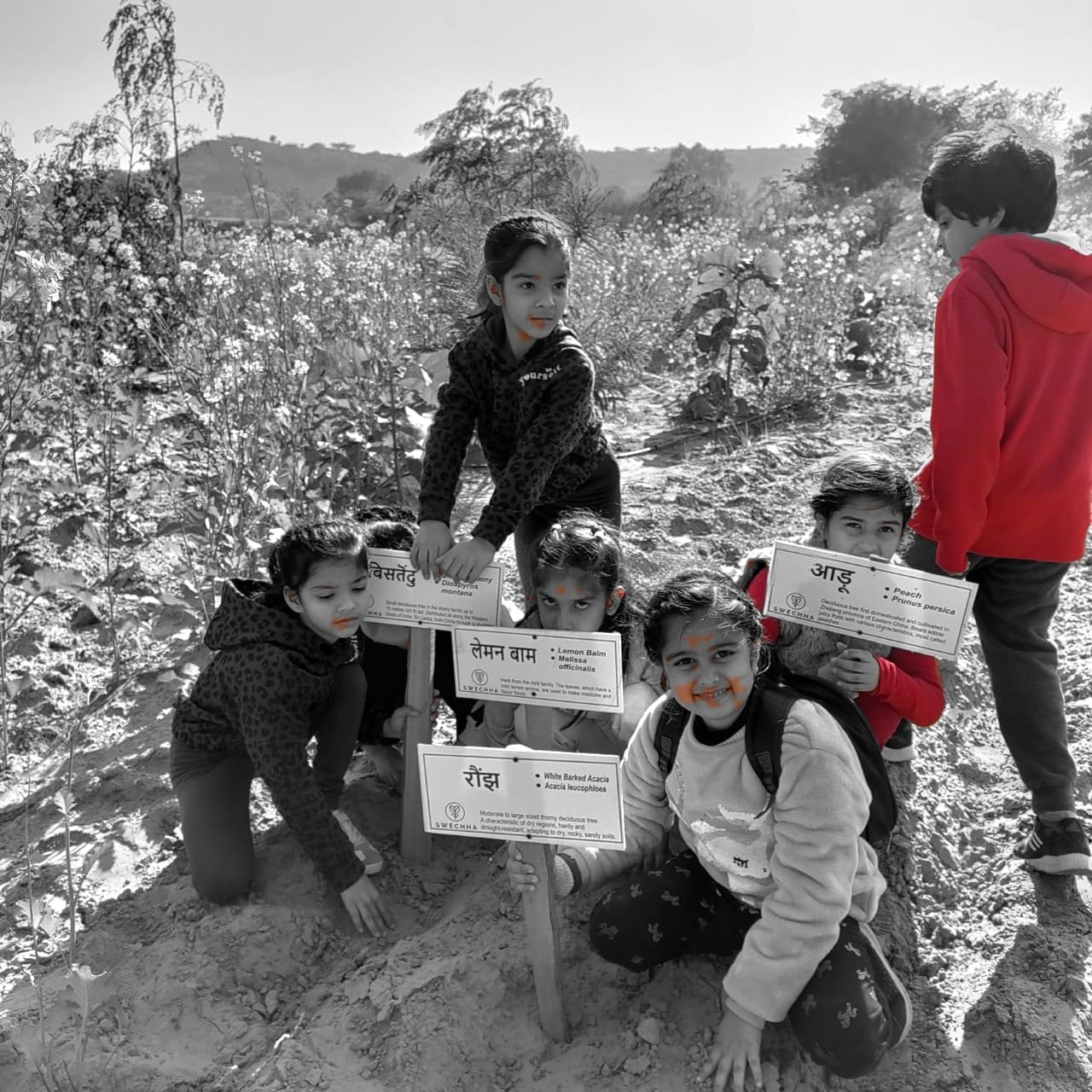 2016
2016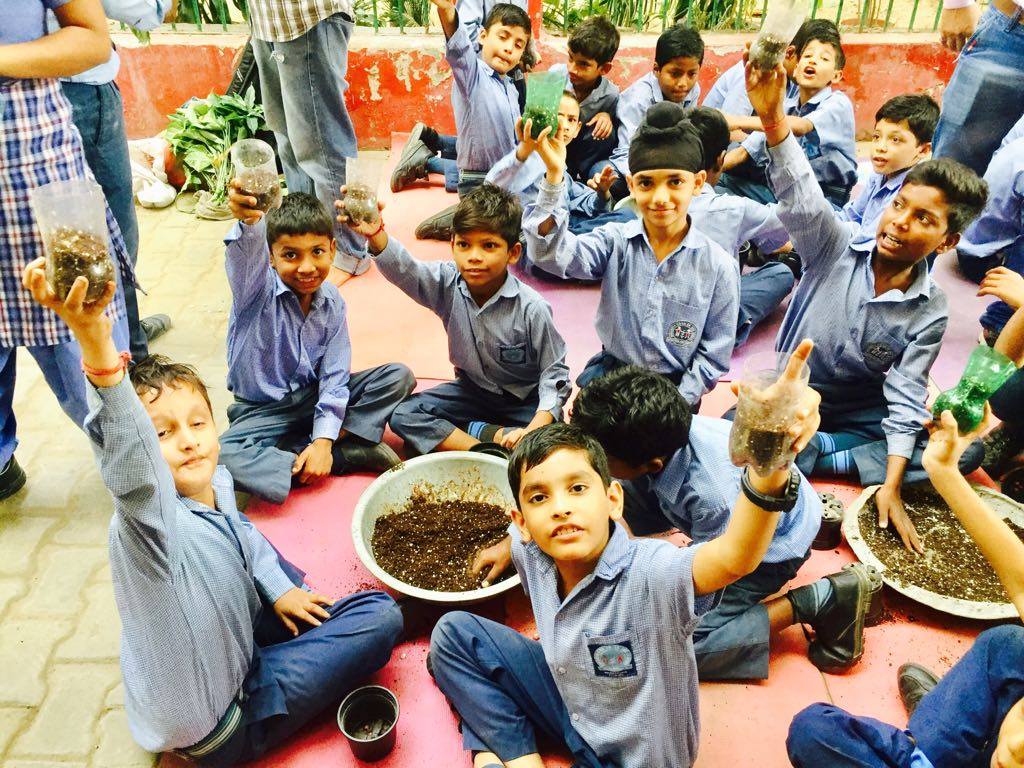 2015
2015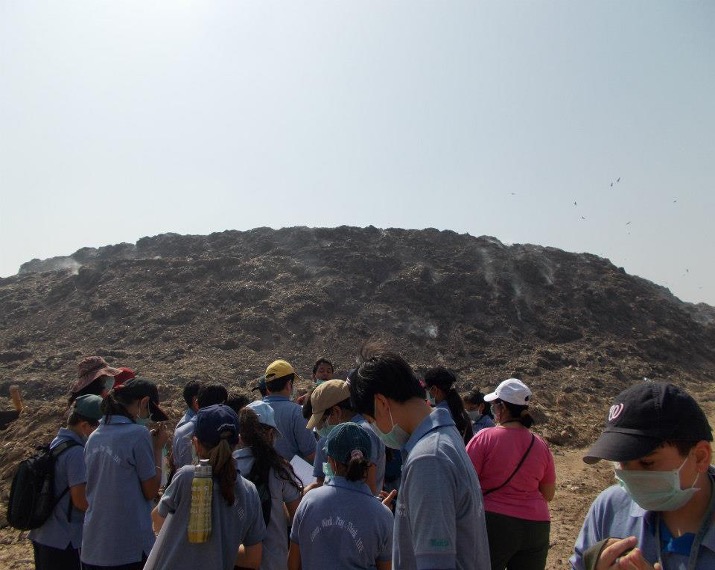 2014
2014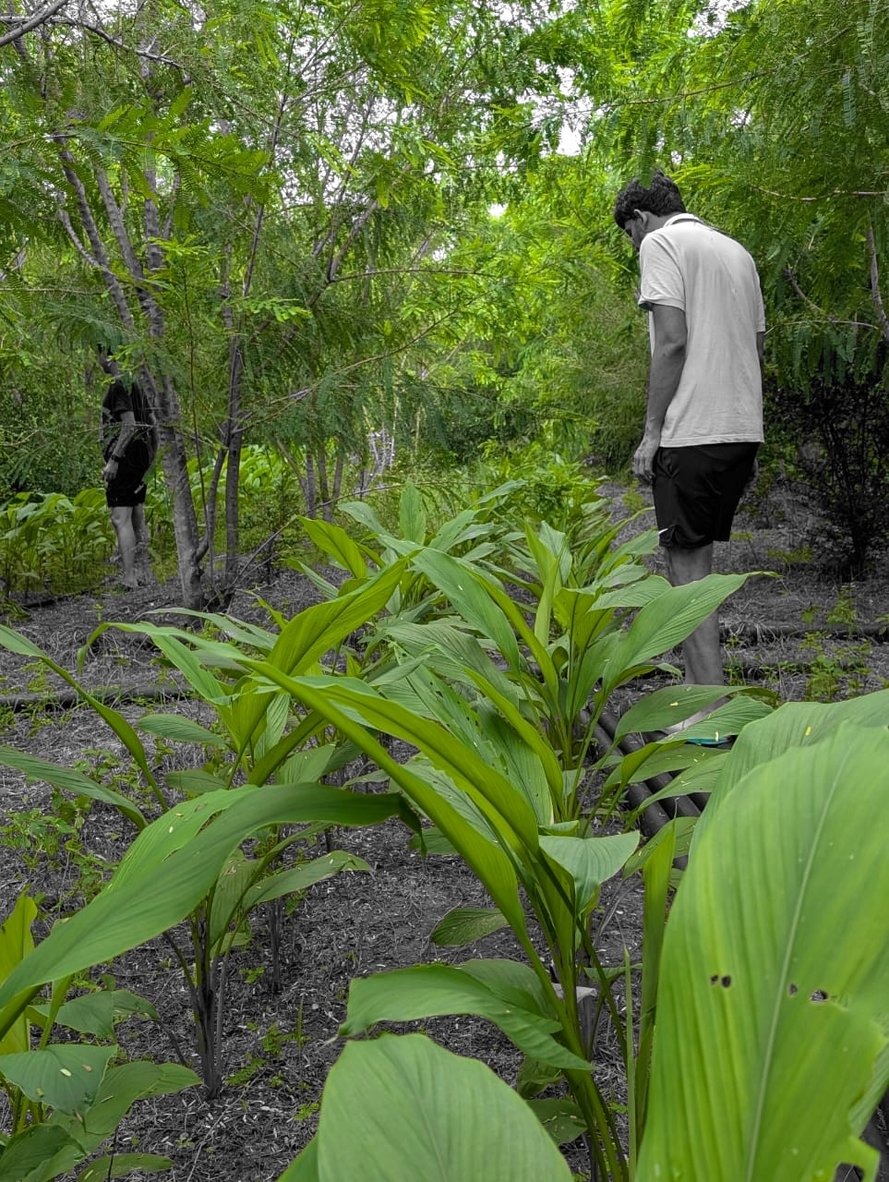 2013
2013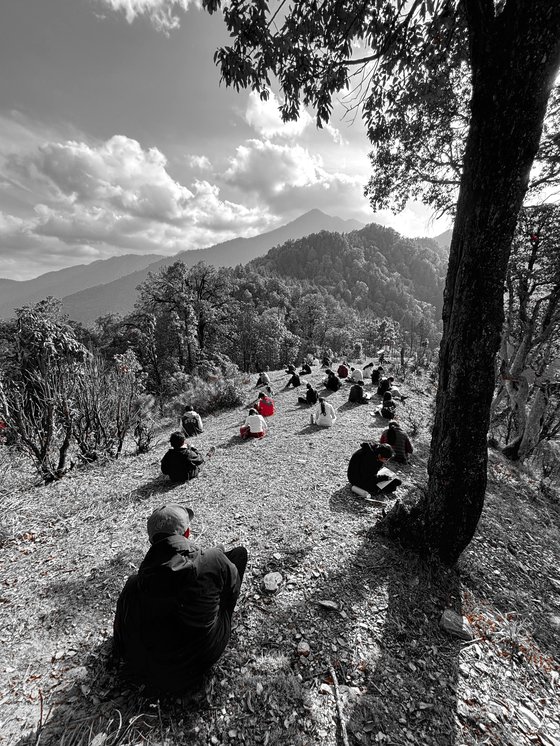 2012
2012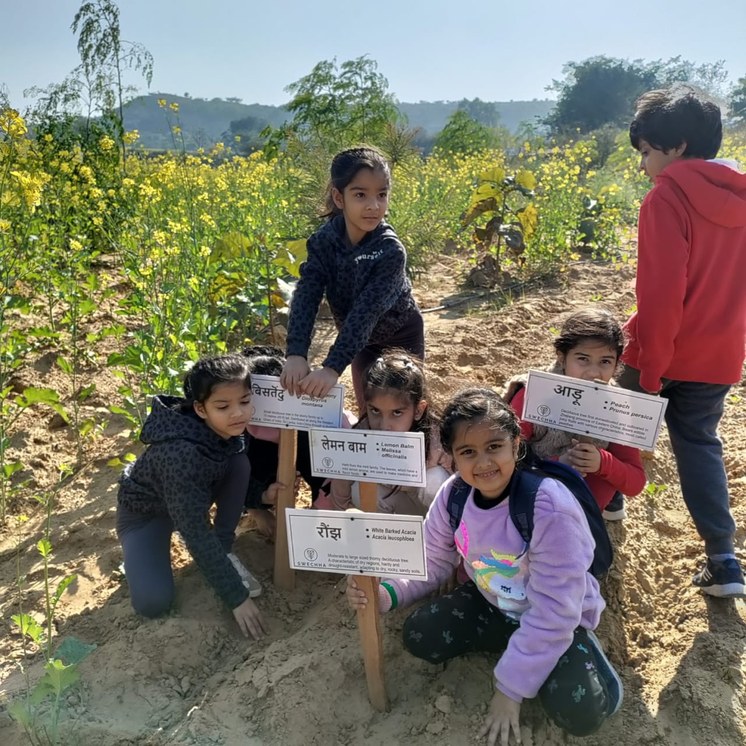 2011
2011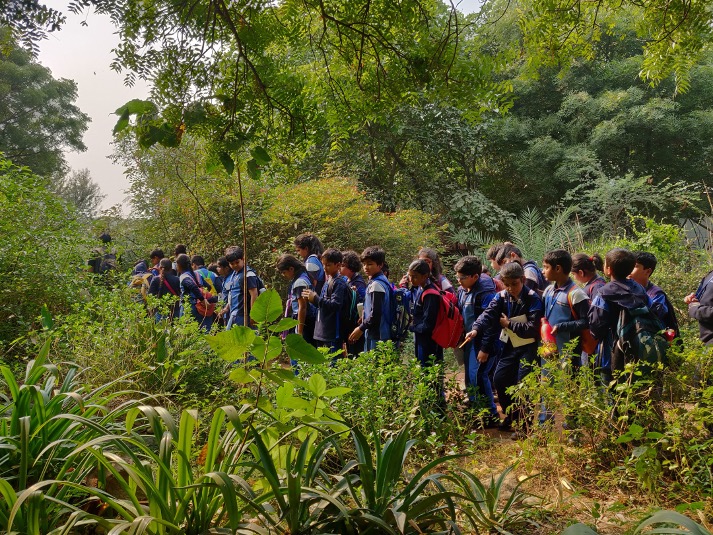 2010
2010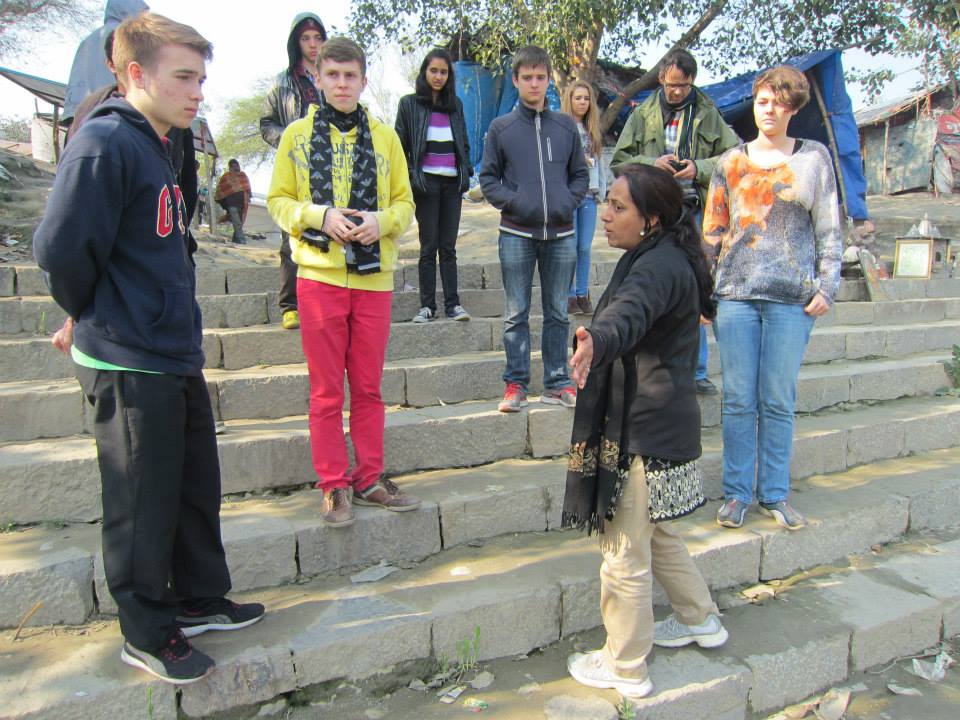 20092008
 2007
2007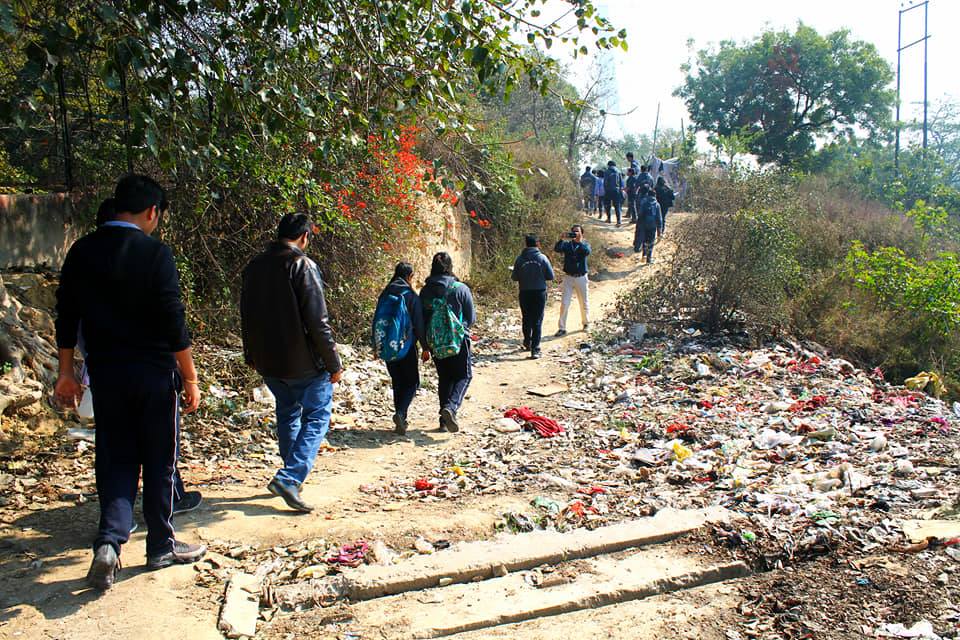 2006
2006 2005
2005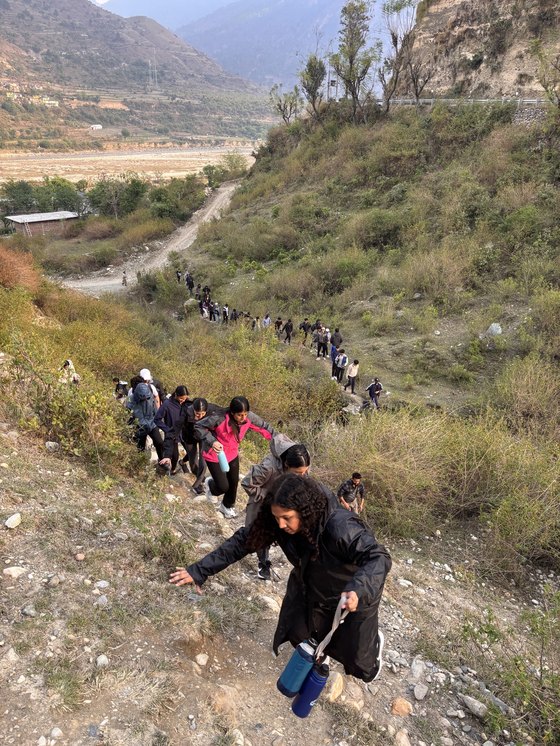 2004
2004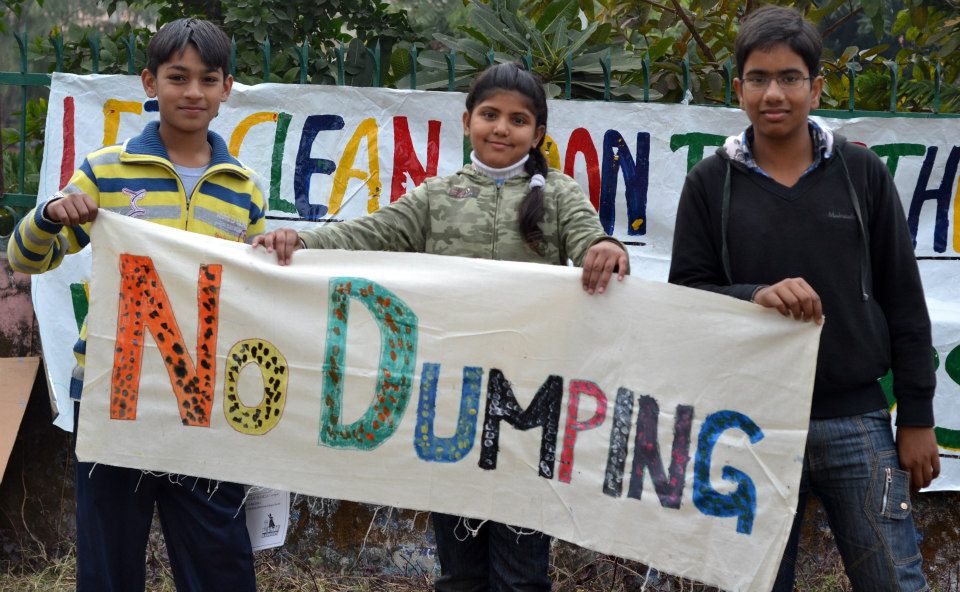 2003
2003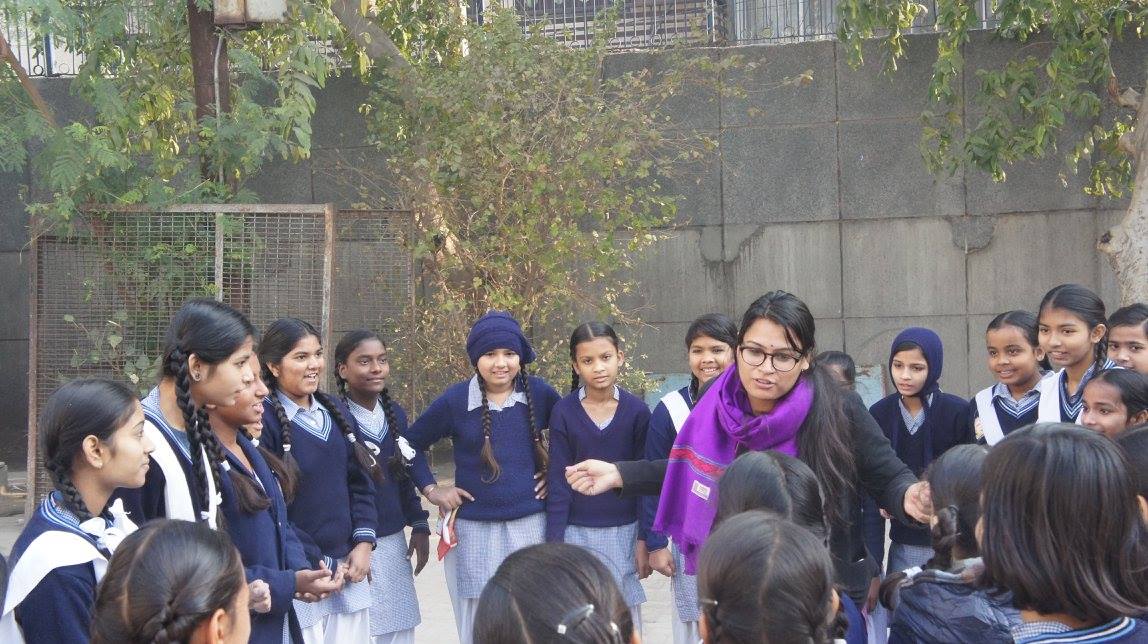 2002
2002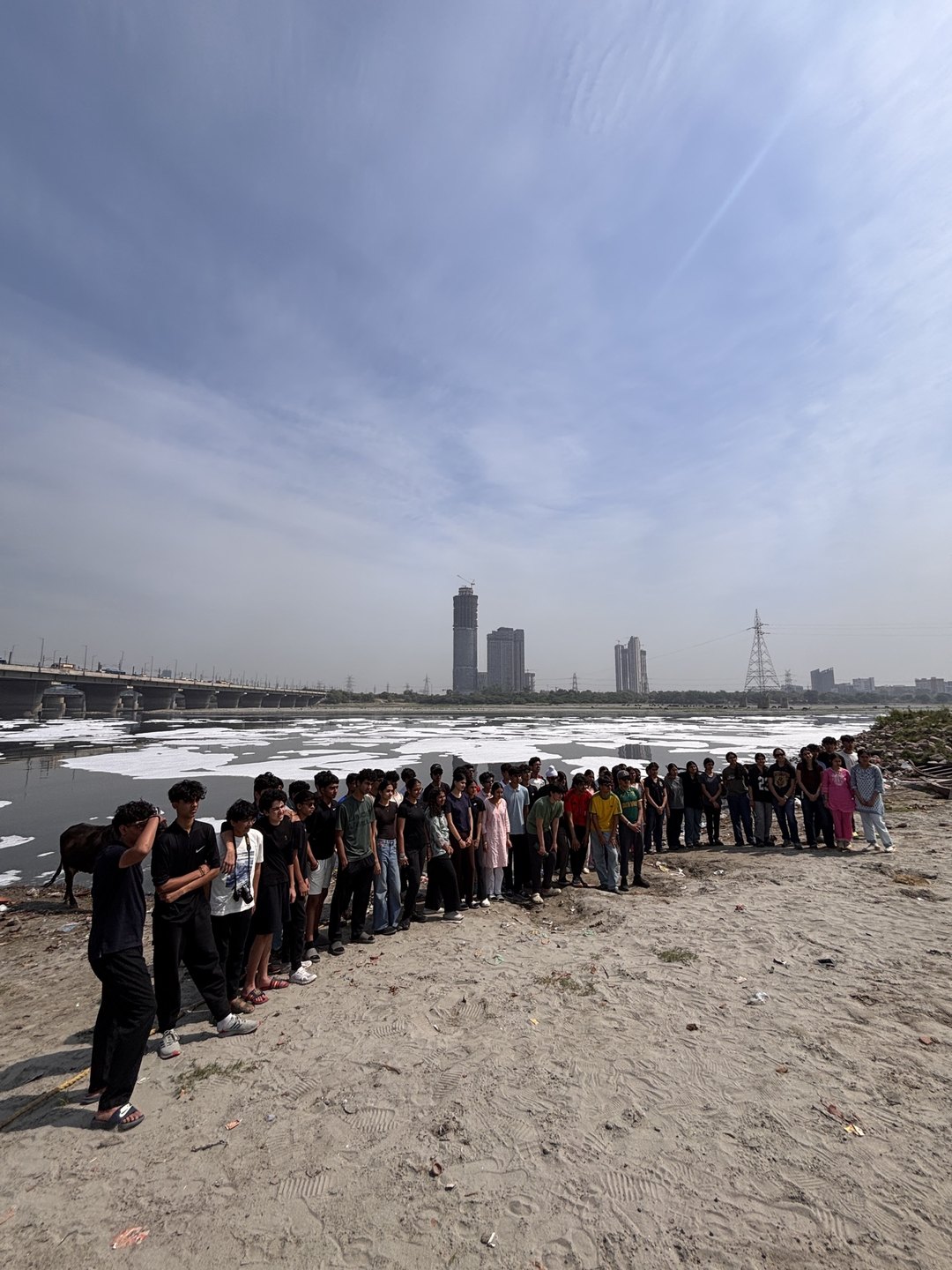 20012000
Seven of the twenty-seven years are scanned. The other twenty are boxes nobody has opened yet.
Three ways in
The monitoring and the archive are the two things nobody funds. They are the two things that outlast us.
Give
From 500 rupees a month, recurring. It pays for journeys schools cannot fund, gardens still being planted, and an archive that will not scan itself.
Volunteer
Clean-ups, garden builds and scanning days in Delhi. Turn up once or turn up every month.
Partner
Schools, companies and researchers. Bring us a ward, a river stretch or a cohort.